
What a seasonal refresh actually means
A seasonal home refresh covers any deliberate change made as the weather shifts: maintenance tasks, storage reorganisation, decor updates, or deeper repairs. The term gets used loosely, which is part of the problem. Conflating a necessary filter change with a full living room makeover leads families to either do too much or, when time is short, skip the important tasks entirely.
A useful frame is to separate the refresh into two buckets. The first covers items that affect the home's safety, efficiency, or structural condition. The second covers items that affect only how a space looks or feels. The first bucket has a clear payoff. The second needs a harder look before committing time and money.
For a practical month-by-month view of what genuinely needs attention each season, see the seasonal home maintenance calendar.
What to prioritise each season
Certain tasks earn their place on the list because ignoring them has compounding costs.
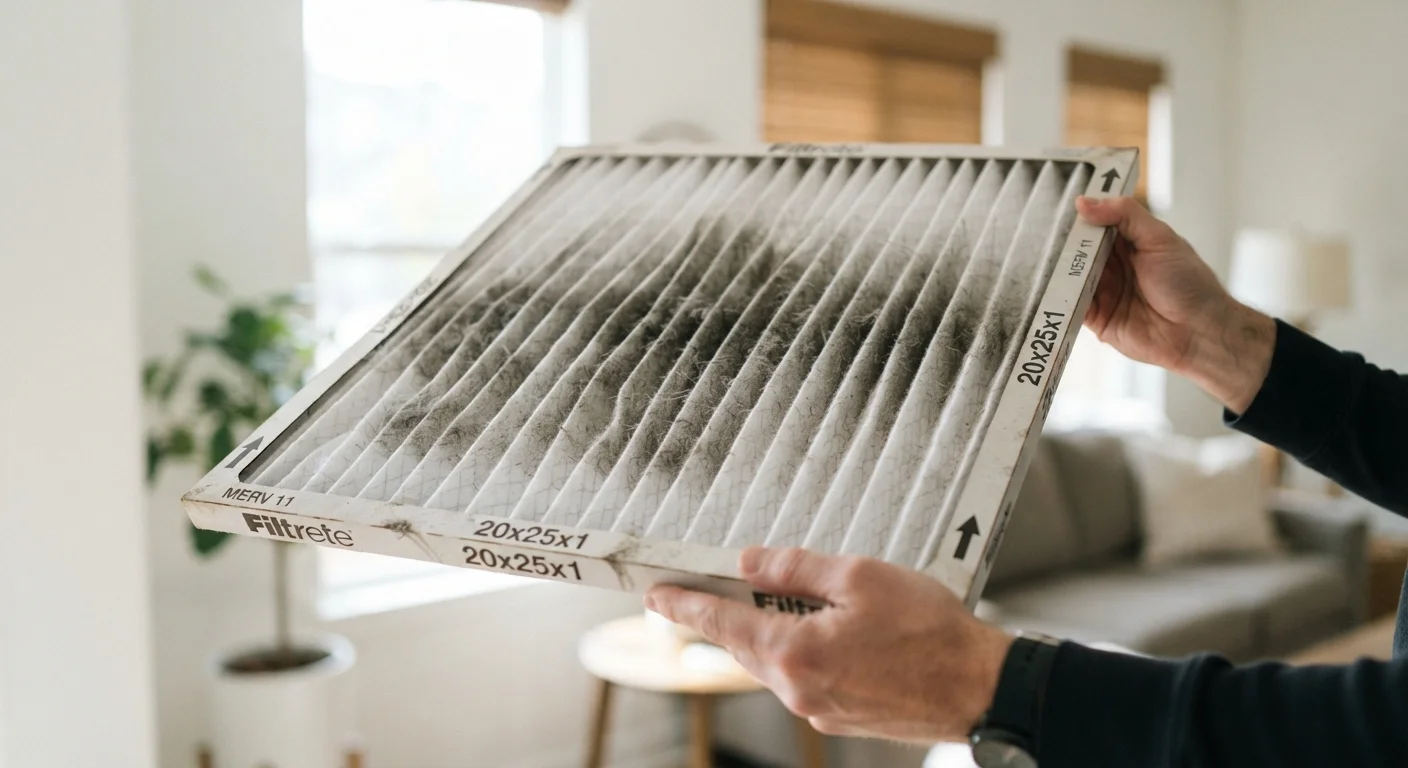
- HVAC filter changes belong at the top. A clogged filter forces the system to work harder, raises energy bills, and worsens indoor air quality. The HVAC filter schedule guide explains what ratings mean and how to set a routine that fits your household.
- Weatherproofing checks around windows, doors, and the attic hatch prevent heat loss in winter and keep conditioned air inside in summer. Caulk and weatherstripping are low-cost fixes with measurable impact on energy bills.
- Storage reorganisation at each season transition helps families rotate items in and out without creating clutter. Seasonal gear stored without a system tends to stay out year-round, occupying space that serves daily routines. The vertical storage guide has practical approaches for tight spaces.
- Quick safety checks, including smoke detector batteries, CO detector function, and outdoor lighting, take under 30 minutes and have no real downside.
Prevents small problems from becoming expensive repairs
Catching a failing weatherstrip or a clogged gutter before a full season passes avoids the kind of water intrusion and heat loss that leads to much larger bills.
Improves energy efficiency at relatively low cost
HVAC filter changes and draft sealing are among the highest-return maintenance tasks available, typically costing under $50 but affecting bills all season.
Resets household storage and reduces daily friction
Rotating seasonal gear into proper storage and reorganising high-use areas makes everyday routines faster and reduces the clutter that builds up between seasons.
Extends the useful life of home systems and surfaces
Regular maintenance on heating, cooling, and structural elements delays costly replacements and keeps warranties valid where manufacturers require documented upkeep.
Creates a natural checkpoint for safety equipment
Seasonal transitions provide a reliable prompt to test smoke detectors, carbon monoxide detectors, and fire extinguisher pressure, tasks that are easy to defer without a fixed schedule.
Before autumn specifically, a room-by-room walkthrough pays for itself. The autumn home walkthrough checklist covers gutters, heating systems, pipes, and weatherproofing in one pass.
What to skip or scale back
Some seasonal habits have drifted into routine without ever earning their keep.
Cosmetic updates rarely recover their cost
Decor swaps and seasonal repaints consume budget without improving the home's function or long-term value, and the money is typically unrecoverable at resale.
DIY enthusiasm can create safety and permit problems
Homeowners who stretch a seasonal refresh into electrical, structural, or gas work without permits or licensed help face liability exposure, failed inspections, and genuine injury risk.
Time investment is easy to underestimate
A full seasonal overhaul involving deep cleaning, furniture moves, and outdoor work can consume an entire weekend, which is a real cost for families with limited discretionary time.
Buying seasonal supplies speculatively creates waste
Purchasing storage containers, cleaning products, or materials before auditing what is actually needed leads to overstock that occupies the space it was meant to free up.
Trend-driven refreshes depreciate fast
Seasonal decor that follows current colour or style trends has a short relevance window, making the cost-per-use calculation unfavourable compared with durable, neutral choices.
Full furniture rotations between seasons make sense in very specific homes (a true summer porch, a dedicated ski lodge) but rarely in standard suburban layouts. The time cost is high, the wear on upholstery and flooring adds up, and the functional gain is usually zero.
Trend-driven decor refreshes, swapping throw pillows or accent rugs to match a seasonal palette, produce no functional improvement. If a family genuinely enjoys the ritual and the cost is budgeted for, there is no harm in it. It just should not be mistaken for maintenance.
Repainting a room every year or two because the colour feels dated is an expensive pattern. Paint holds up well for five to ten years in most rooms. Repainting on a shorter cycle wastes money and time unless there is genuine damage.
Any task involving electrical panels, gas lines, structural modifications, or roof work falls outside the DIY bucket regardless of season. The DIY vs. pro decision framework gives a clear method for assessing when a licensed trade is required.
Making the refresh efficient
The families who handle seasonal upkeep well tend to do one thing consistently: they run a short audit before buying or doing anything. A walk through each room with a notepad takes 20 minutes and prevents both overbuying supplies and missing something that mattered.
The household essentials audit checklist is a good starting point for that process. Pairing it with the 15-minute maintenance jobs guide means most of the functional refresh can happen in a single weekend without clearing the calendar.
For families who find the whole thing difficult to schedule, the weekend declutter checklist breaks the organisational side into a realistic sequence that works even with children at home.
Permits and licensed work still apply off-season
A seasonal refresh does not change local building code requirements. Any work involving electrical circuits, gas appliances, structural modifications, or roofing typically requires a permit and, in most U.S. jurisdictions, a licensed contractor. Verify requirements with your local building department before starting work. Unpermitted work can complicate home sales and void homeowner's insurance claims.
Timing purchases around the season also matters. Seasonal spending patterns affect what is on sale and when, so knowing the calendar before stocking up on storage gear or weatherproofing materials can reduce the overall cost.