Why a weekend is enough (if you stay focused)
Most families overestimate how long a full home declutter takes and underestimate how much can be done in two focused days. The problem is not time; it is scope. Trying to reorganize every drawer and closet at once leads to abandoned piles and a messier house than you started with.
This checklist works by limiting each session to one zone at a time. You complete it, box it, and move on. The result is visible progress that motivates the next session rather than a weekend of exhausting work with nothing to show.
If your household has never tackled a full sort before, the room-by-room organization guide is a good companion read before you start here.
Heavy-duty trash bags
Used to collect and remove discarded items quickly without multiple trips.
Cardboard boxes or reusable bins
Used to hold items sorted for donation and to carry them directly to the car.
Permanent marker and labels
Used to mark boxes and containers clearly so sorted items stay sorted.
Kitchen timer or phone timer
Used to enforce time limits per zone and prevent over-sorting in one area.
Cleaning cloths
Used to wipe down surfaces as each zone is cleared, resetting the space properly.
Before you start: the setup that makes everything faster
Gather your supplies before touching a single drawer. Walking back and forth to find bags or markers wastes time and breaks momentum. Set up a sorting station in a central hallway or kitchen corner with three clearly labeled containers: keep, donate, and trash. A fourth container for items that belong in another room is optional but helpful in larger homes.
Set a timer for each zone. Thirty minutes per room is realistic for a light pass; deeper work in closets or garages may need sixty. When the timer ends, stop sorting and move to boxing and labeling. Leaving piles mid-session is how clutter migrates.
Do not sort and deep-clean at the same time
Mixing decluttering with scrubbing, painting, or rearranging furniture during the same session almost always leads to unfinished piles. Declutter first, clean after. Combining both tasks in one pass doubles the time and often results in items left in limbo rather than properly sorted.
Once supplies are ready and zones are assigned, the checklist below covers every area of the home in priority order, with must-do items flagged separately from optional tasks.
The full declutter checklist
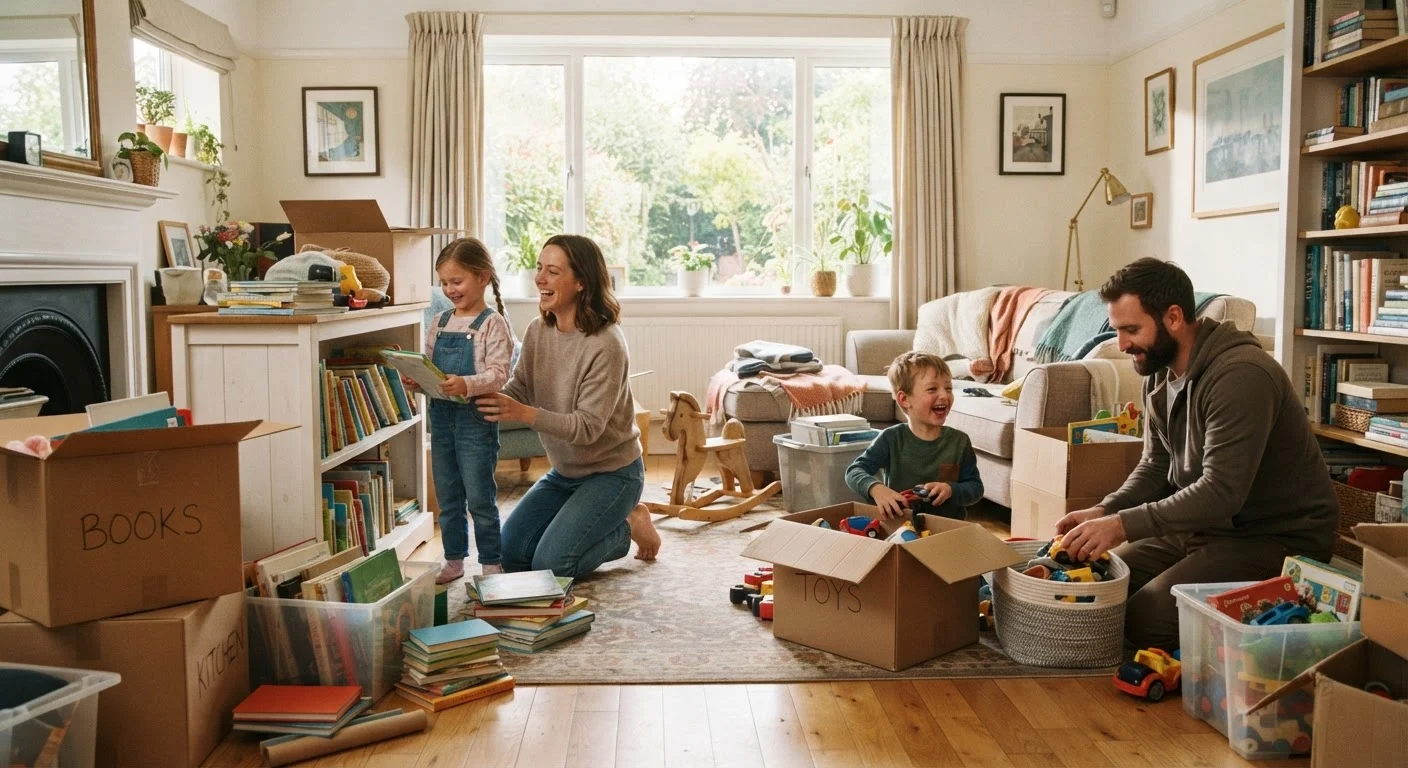
Work through the checklist in the order below. High-traffic areas come first so you see results quickly. If you have children helping, assign them one clearly defined task per zone rather than open-ended sorting.
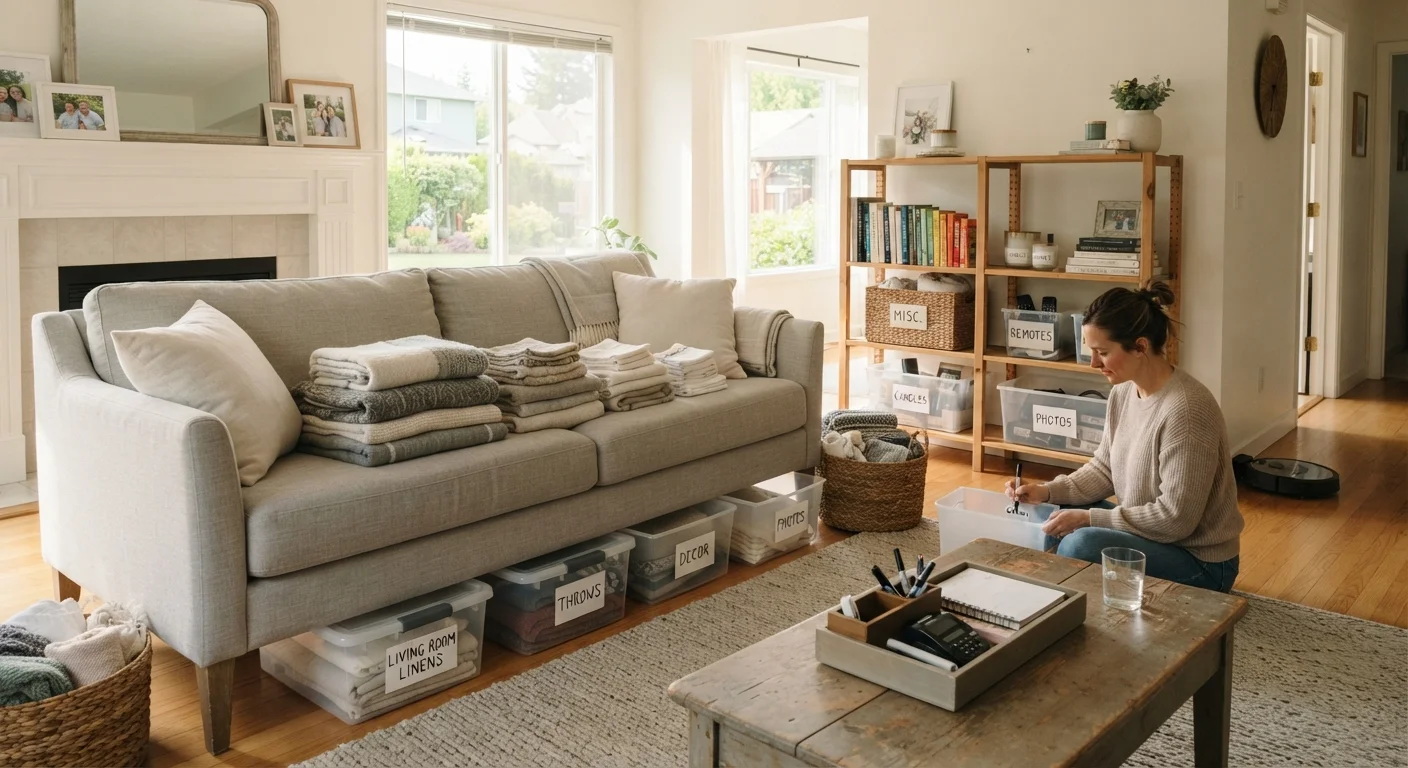
High-traffic living areas
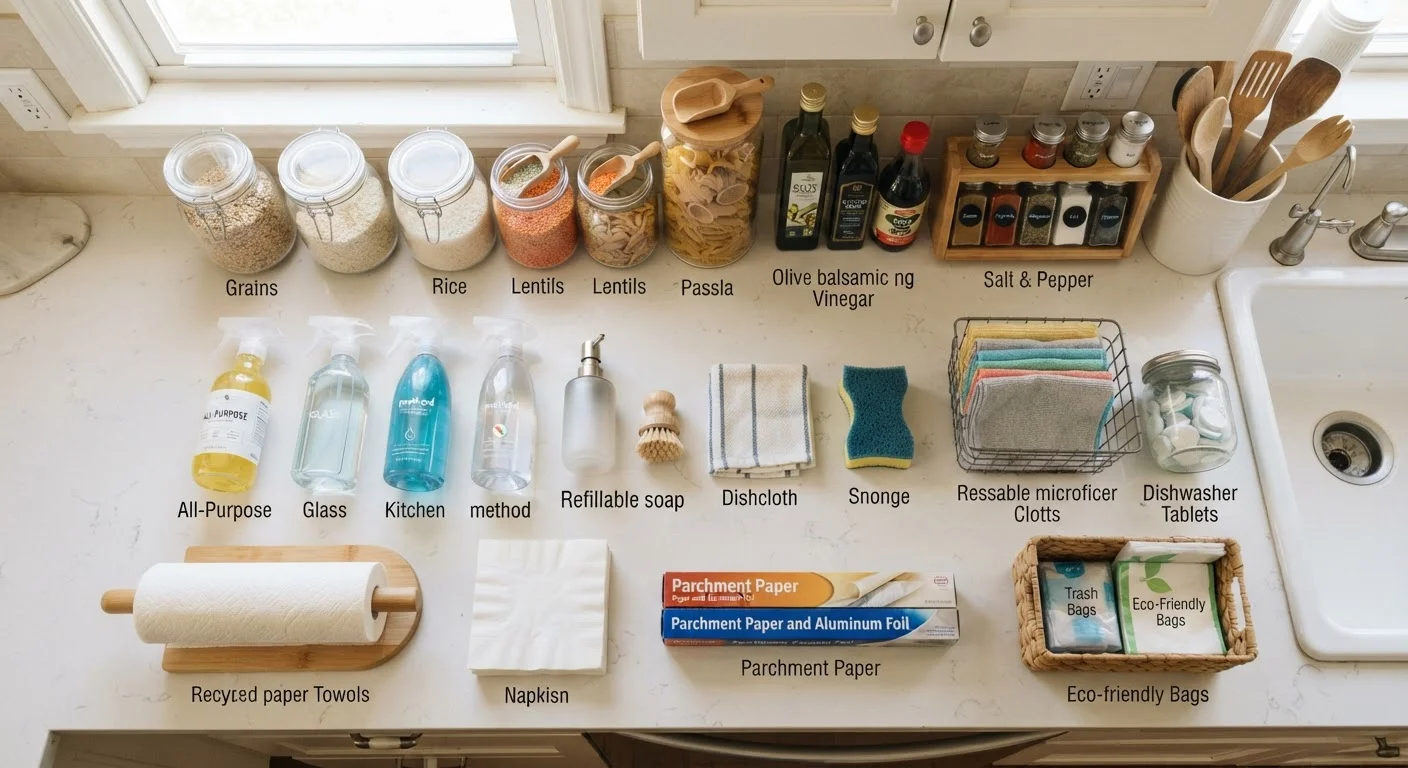
Kitchen and pantry
Bedrooms and closets
Bathrooms
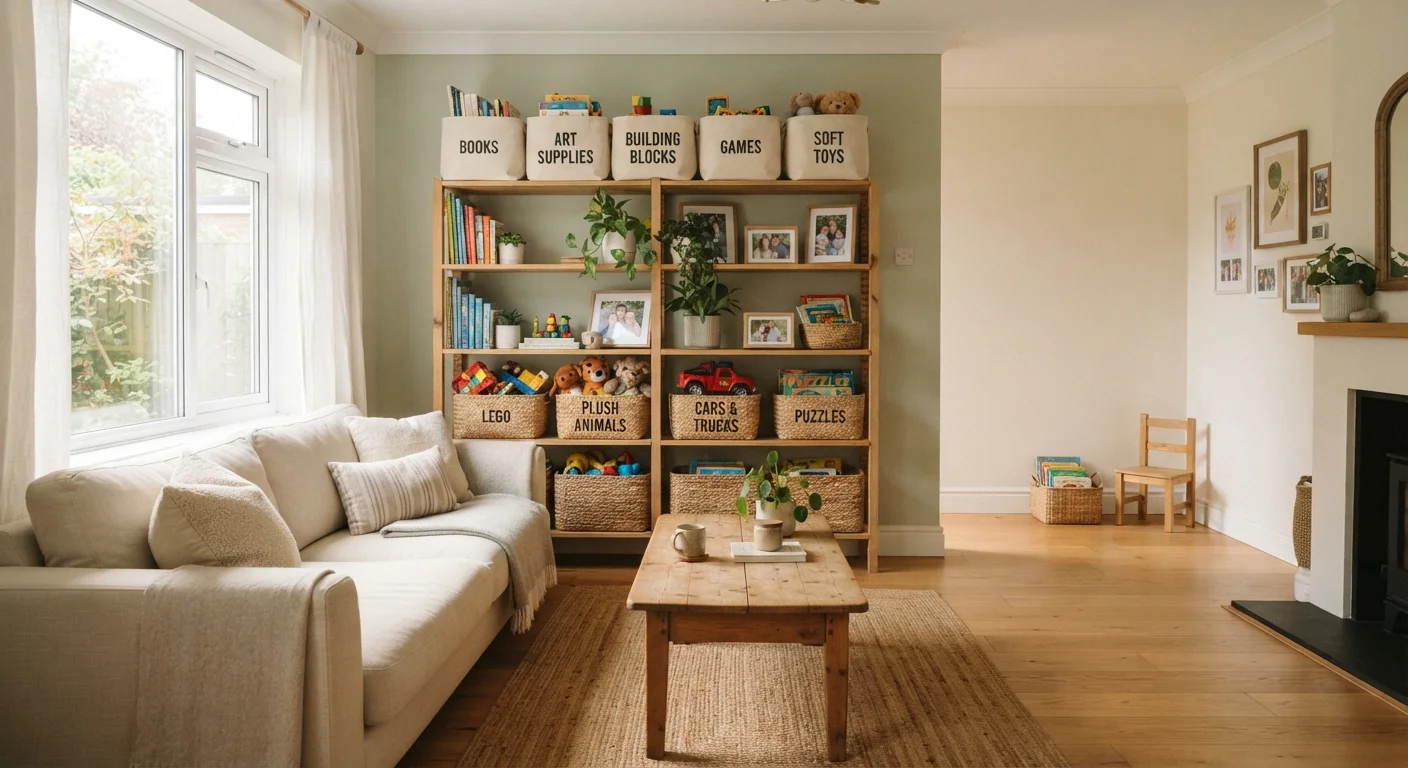
Kids' spaces
Entryway and mudroom
For households that want to take organization further after this weekend, habits that maintain order with kids covers the daily systems that prevent clutter from building back up.
After the declutter: three steps to keep it from reverting
Get donation boxes out of the house within 24 hours. Items that linger in the garage have a high rate of being unpacked and returned to the home. Schedule a drop-off or a pickup request before the weekend ends.
Walk through each cleared zone and photograph it. This gives the household a reference point for what the space should look like, and it takes under five minutes. Before restocking any area, work through the household essentials audit checklist to avoid refilling shelves with items you do not actually need.
Finally, assign each cleared zone an owner: one adult or older child who is responsible for keeping that space tidy week to week. Shared responsibility with no named owner is the most common reason decluttered spaces revert within a month. For broader seasonal upkeep after this foundation is in place, the seasonal home refresh guide covers what is worth revisiting every few months.