Why outdated advice keeps circulating
Car maintenance advice travels fast and sticks around long after it stops being accurate. Some of it made sense decades ago, before fuel injection replaced carburetors and synthetic oils became standard. The problem is that acting on outdated guidance costs real money: unnecessary service visits, premium products that do nothing, or skipped checks that eventually cause genuine damage.
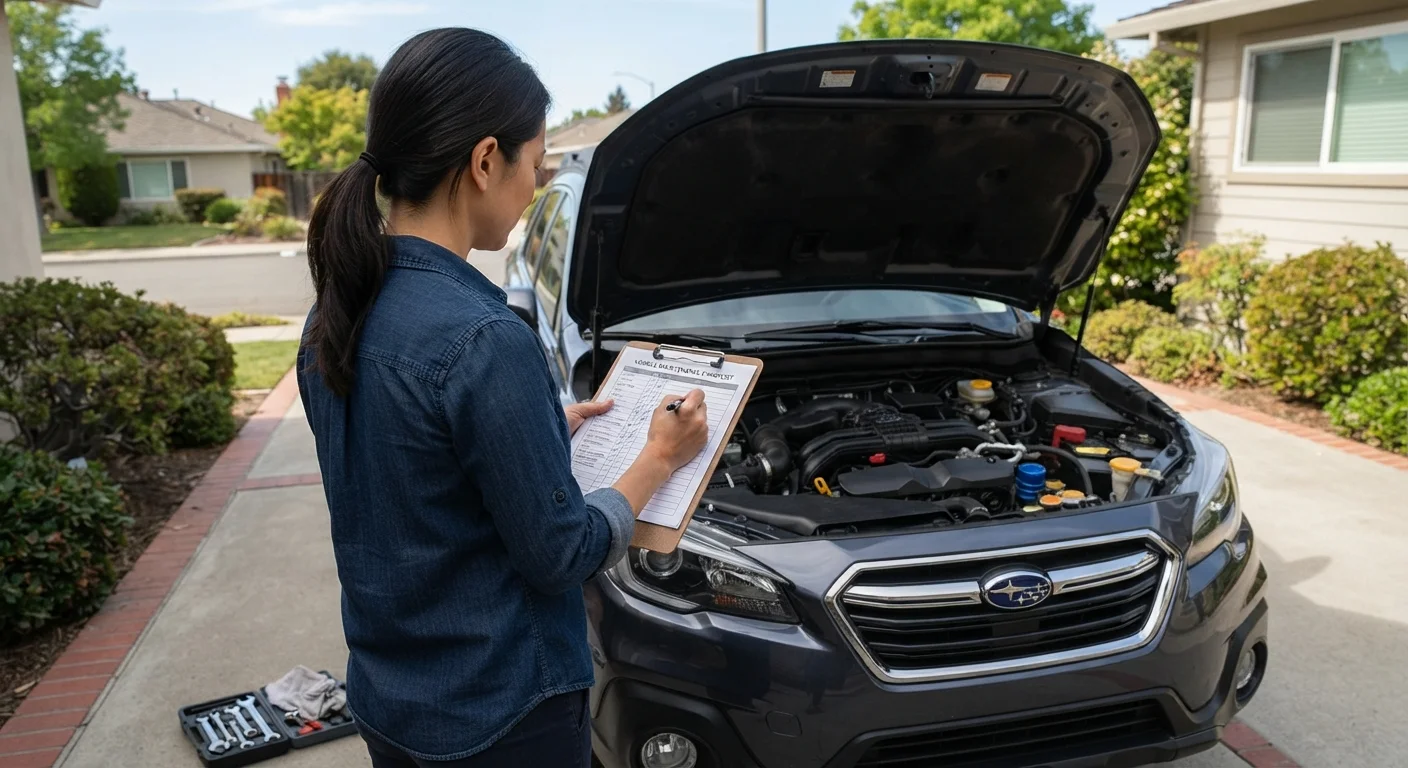
The most reliable source for your car's actual needs is the owner's manual. Manufacturers test their vehicles and publish specific intervals for oil, filters, coolant, and other consumables. That schedule reflects the engineering of your particular engine, not a general rule invented for a different generation of cars. See what your vehicle's service intervals actually mean for a closer look at how to read that schedule.
Myth
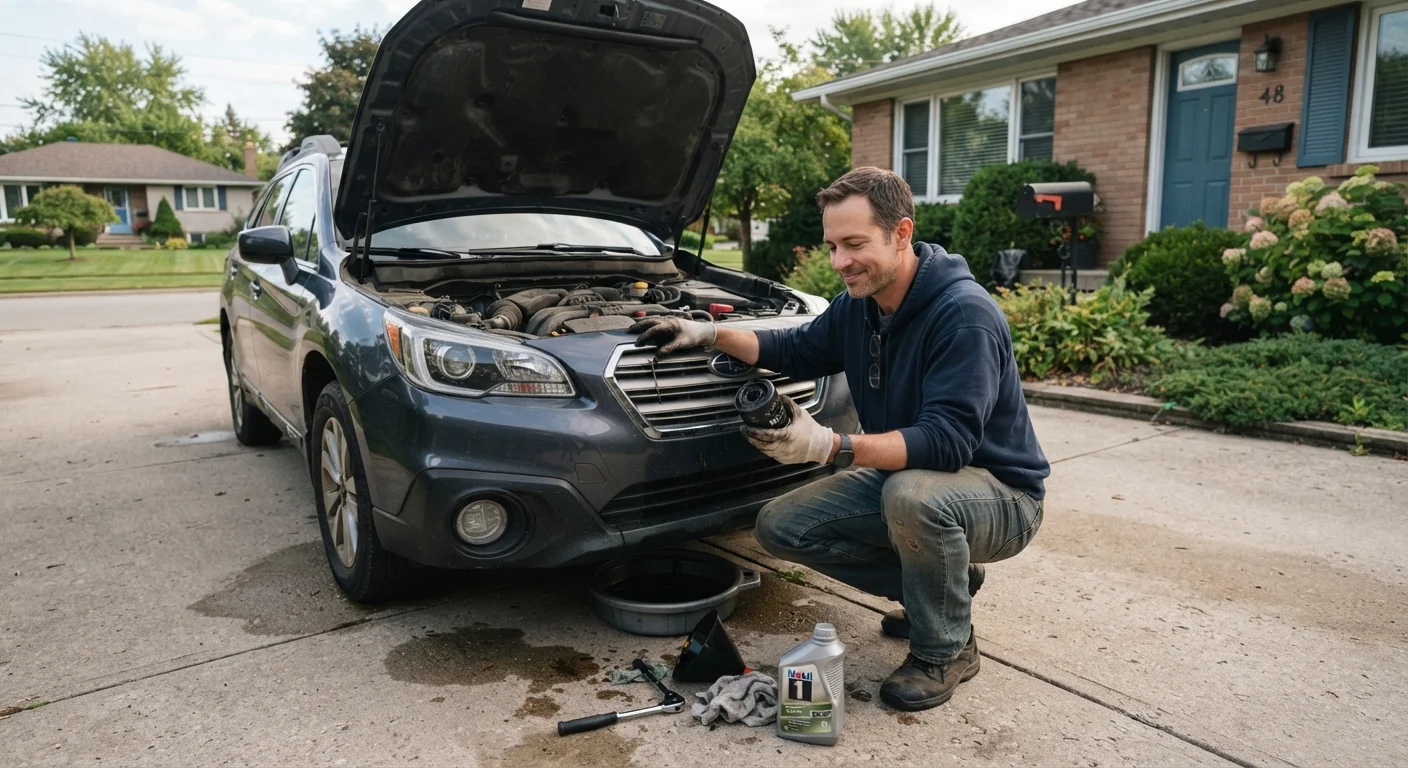
You should change your oil every 3,000 miles, no matter what.
Fact
Most modern vehicles with conventional oil can go 5,000 to 7,500 miles between changes, and those using full synthetic oil often have intervals of 10,000 miles or more.
The 3,000-mile rule originated with older engine technology and heavier, less refined oils. Today's engines run tighter tolerances and modern oil formulations last significantly longer. Automakers publish specific oil change intervals in each vehicle's owner's manual, and many vehicles now include an oil life monitoring system that calculates the interval based on actual driving conditions. Changing oil before it needs to be changed wastes money and generates unnecessary waste oil without any mechanical benefit.
Myth
You need to idle your engine for several minutes on cold mornings to warm it up properly.
Fact
Fuel-injected engines (which describes virtually every car sold since the mid-1980s) warm up faster under light driving load than they do sitting still.
Extended cold idling made sense with carbureted engines that needed time to stabilize fuel mixture. Modern fuel injection systems adjust automatically, and the engine reaches operating temperature more quickly when it is under gentle load. Long idling burns fuel with no forward progress and can wash cylinder walls with excess fuel, which increases wear over time. The U.S. Department of Energy has noted that idling a vehicle for more than 30 seconds is generally unnecessary for warming modern engines. Driving gently for the first few minutes accomplishes the same result faster.
Myth
Premium gasoline improves performance and fuel economy in any car.
Fact
Premium fuel only benefits engines specifically engineered to require it or take advantage of it. In a standard engine rated for regular unleaded, premium provides no measurable gain.
The octane rating in premium fuel resists engine knock under high compression. Engines that require premium are designed with compression ratios that need that resistance. Engines designed for regular unleaded use the same compression ratios whether you fill with regular or premium, and the engine management system is calibrated accordingly. Paying more for premium in a car that does not call for it is a direct out-of-pocket loss. The owner's manual states clearly whether a vehicle requires, recommends, or simply allows premium. Fuel-saving claims that do not hold up covers similar misconceptions about what actually moves the needle on efficiency.
Myth
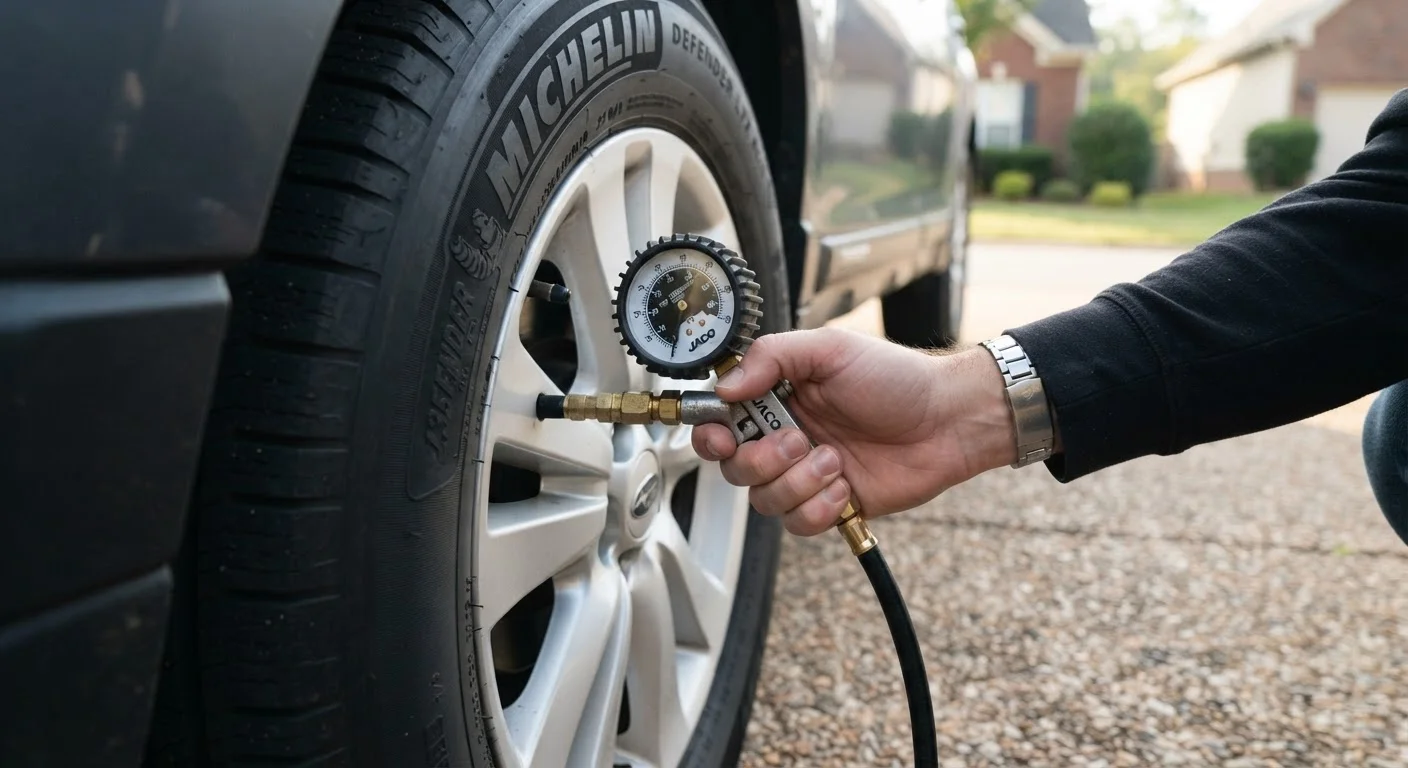
Tire pressure should be set to the maximum PSI printed on the tire sidewall.
Fact
The correct tire pressure is the figure listed on the sticker inside the driver's door jamb (or in the owner's manual), which is the vehicle manufacturer's specification, not the tire's maximum.
The number molded into the tire sidewall is the maximum pressure the tire casing can safely hold, not the recommended operating pressure. Over-inflated tires reduce the contact patch with the road, which decreases braking performance and handling stability. They also wear unevenly across the center of the tread. The vehicle manufacturer's recommended pressure is calibrated to the car's weight distribution, suspension geometry, and intended handling characteristics. Checking tire pressure monthly and before long trips is good practice, and the correct target is always the door-jamb sticker or the manual.
Myth
All fluids need to be flushed on a fixed annual schedule.
Fact
Fluid replacement intervals vary widely by fluid type and vehicle use. Many fluids last several years or tens of thousands of miles under normal conditions.
Transmission fluid, coolant, brake fluid, and power steering fluid each have different degradation rates and replacement intervals, all specified by the manufacturer. Flushing fluids that are still within spec adds cost with no mechanical upside. Brake fluid is the partial exception: it is hygroscopic (absorbs moisture over time), and its condition can be checked with an inexpensive test strip. A mechanic can also test coolant pH and freeze protection with basic tools. Replacing fluids based on their actual condition rather than a calendar is both more accurate and more economical.
Myth
A battery that starts the car fine does not need attention.
Fact
Lead-acid batteries degrade internally before they fail to start a vehicle, and a battery can test borderline without obvious symptoms until it fails in cold weather.
Most automotive lead-acid batteries have a service life of three to five years, though this varies with climate and usage patterns. A battery can still crank the engine reliably while holding reduced reserve capacity, which becomes a problem when temperatures drop or the vehicle sits unused for a few days. Many auto parts retailers and service shops offer free battery load testing, which measures actual capacity rather than just voltage at rest. Vehicles over three years old benefit from a load test annually, particularly before winter. This is a low-cost check that can prevent a roadside failure.
The myths in detail
The six myths below cover the ones most likely to affect suburban drivers who handle basic upkeep themselves or authorize service at a shop. Each correction comes from published automaker guidance or established engineering principles, not folklore.
~$200+
Potential annual savings by following correct oil change intervals
The U.S. Department of Energy estimates that following manufacturer-specified intervals rather than the 3,000-mile rule can save drivers meaningful amounts annually in oil costs alone.
3-5 years
Typical lead-acid car battery lifespan
Battery lifespan varies by climate and use; hotter climates tend to shorten life closer to three years, while cooler conditions may extend it toward five.
30 seconds
Maximum recommended idle time for modern engine warm-up
The U.S. Department of Energy advises that idling beyond 30 seconds is unnecessary for most modern fuel-injected engines and burns fuel without benefit.
If you are sorting out which tasks are worth tackling yourself and which belong at a shop, how to tell the difference is a practical starting point. For a broader look at how small maintenance gaps affect your fuel costs, routine checks that protect your fuel budget covers the overlap between upkeep and efficiency.
This article is for general informational purposes only and is not a substitute for advice from a qualified mechanic. Always consult your vehicle's owner's manual and a licensed professional before making maintenance decisions.