
What each approach actually involves
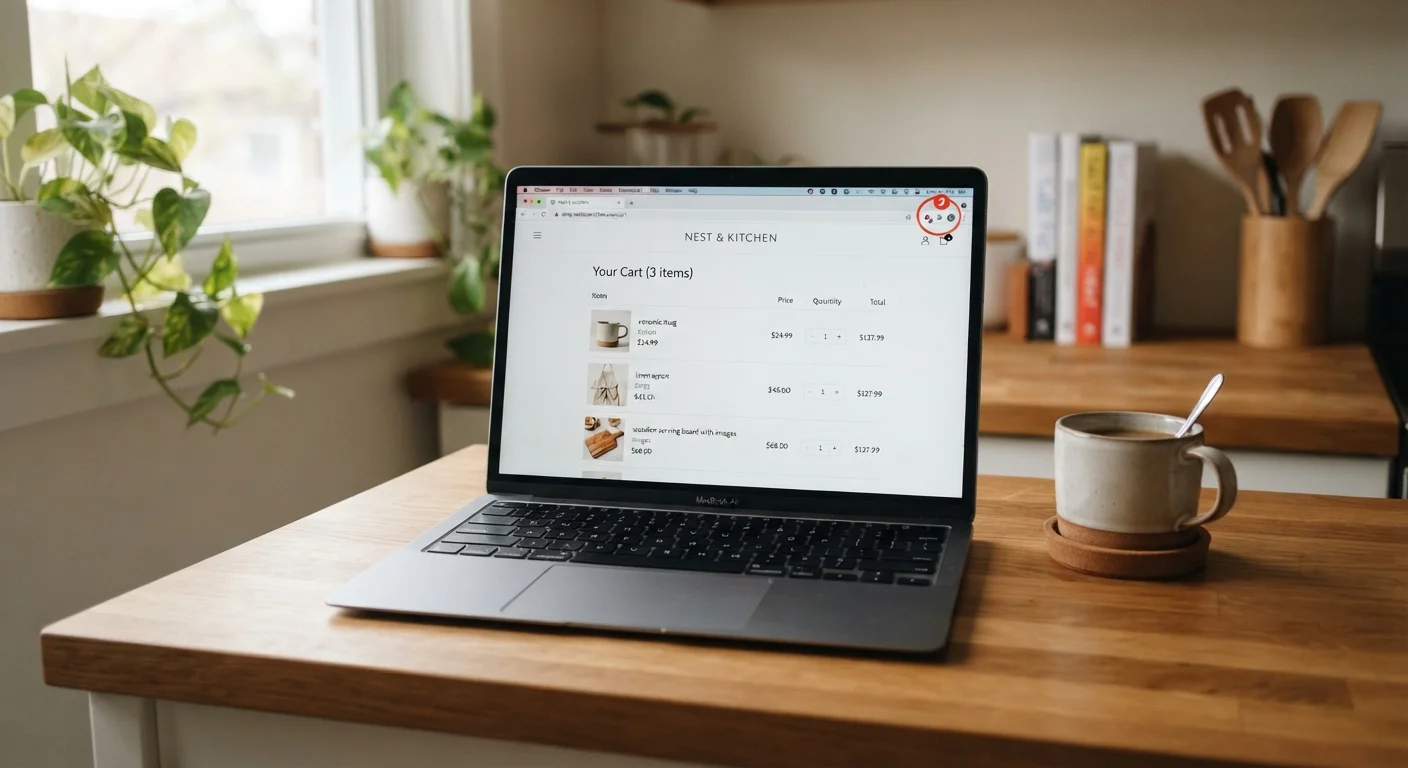
Price tracking means setting up a watch on a specific product so you receive a notification when the price falls to a target you choose. Browser extensions and dedicated tracking tools pull historical price data from one or more retailers, so you can see whether today's price is genuinely low or just average. Our look at how automatic price-comparison tools work covers the mechanics in more detail.
Waiting for sales is less about data and more about timing. The approach relies on the fact that many retail categories follow predictable discount patterns: major appliances tend to drop around holiday weekends, bedding during certain months, winter clothing after the season ends. If you know those patterns and can delay the purchase, you wait and buy during the window. The seasonal spending reference maps those windows by category if you want a practical starting point.
Where price tracking has an edge
Price tracking works well when a purchase has some time pressure but not immediate urgency. You set a target, automate the watch, and get an alert rather than checking manually. The historical price chart also protects against a common retail tactic: marking an item up before discounting it so the 'sale' looks larger than it is. With a price history, you can see whether the current price is actually below the typical range.
The approach also handles unpredictable pricing well. Electronics, household goods sold on large marketplaces, and seasonal items can change price multiple times a week. A sale calendar cannot capture that volatility, but a tracker can.
| Criterion | Price tracking | Waiting for sales |
|---|---|---|
| Setup required | Yes - tool or extension needed | None beyond awareness |
| Ongoing effort | Minimal after setup | Low - monitor sale calendar |
| Works for volatile pricing | Yes | Rarely |
| Requires purchase flexibility | Moderate | High |
| Protects against fake discounts | Yes - via price history | Not reliably |
| Works across many retailers | Yes - with the right tool | Depends on category |
| Best purchase type | Specific product, any category | Flexible category purchase |
The main cost is setup time and some learning curve. You need to find a tool that covers your preferred retailers, add products individually, and set realistic target prices. For families already stretched for time, setting up deal alerts efficiently can reduce that friction considerably.
Where waiting for sales has an edge
Waiting for sales requires no tools and no ongoing management. If you know a mattress purchase can wait until a major holiday weekend, or that winter coats drop in price after February, you simply delay and buy during the window. The saving can be substantial in predictable categories, and the strategy costs nothing to run.
It also works well for purchases where the exact model or product matters less than the category. If any mid-range dishwasher will do, you can buy whichever is discounted during the sale period rather than tracking a specific unit.
The risk is that sale timing is not always consistent, and 'sale' prices are not always the lowest available price. Some retailers use sale events to clear older stock at prices that a tracker would show have been matched or beaten at other times of year. The common deal-hunting myths article addresses several of those assumptions in detail.
Sale price does not always mean lowest price
A retailer's sale event marks a price reduction from their own previous listing price, not necessarily from the lowest price available across the market. Price history tools often show that some 'sale' prices have been equalled or undercut at other points during the year. If a specific product matters to you, a price history chart is worth checking even during a sale event.
Combining both for everyday family shopping
For most suburban households buying across multiple categories, neither approach alone covers everything. A practical split: use price tracking for electronics, small appliances, and items with volatile pricing where a specific product matters; use sale-season timing for large, category-flexible purchases like bedding, tools, and outerwear.
Before committing to either approach on a given purchase, a quick pre-purchase check helps confirm you have not missed an obvious saving. The pre-purchase savings checklist covers that in a few steps. Both strategies also fit into the wider context of consistent family saving habits that reduce spending without requiring daily effort.
73%
Shoppers who check prices on multiple sites before buying
According to a 2023 consumer survey by the National Retail Federation, nearly three in four US shoppers compare prices across at least two sources before completing a purchase.
15%-30%
Typical discount range during major holiday sale events
Retail industry analyses of holiday weekend promotions generally find average discounts in this range for home goods and electronics, though individual results vary by product and retailer.
This article is for general informational purposes only. Prices, discount patterns, and retail practices vary by retailer, region, and product category. Verify current pricing through your own research before making any purchase decision.