Run through this checklist before your next big shopping trip to avoid overbuying, spot genuine gaps, and keep your home well-stocked.
Key Takeaways
Auditing what you already have before shopping prevents overbuying and reduces waste.
Organizing your inventory by category makes genuine gaps easier to spot.
A consistent audit routine helps keep household costs predictable month to month.
Tracking expiry dates and quantities together saves a second trip through your supplies.
Separating wants from actual needs at the audit stage cuts impulse purchases at the store.
Why an audit beats a gut-feel shopping list
Most households overbuy in some categories and run out in others because shopping lists get built from memory rather than from what is actually on the shelves. A structured audit fixes that. Spending 20 to 40 minutes walking through your home before a big stock-up trip gives you a clear picture of what you have, what is running low, and what you genuinely do not need more of.
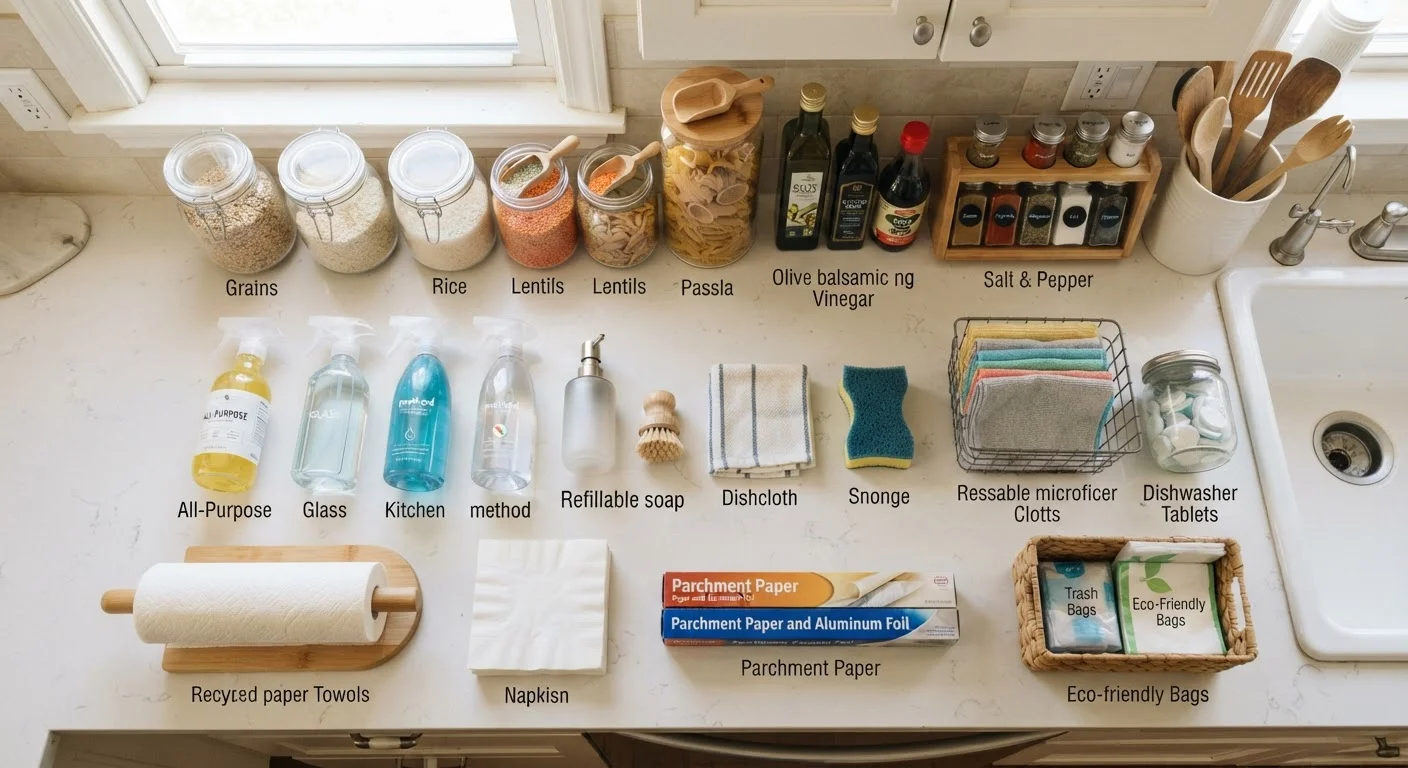
This checklist covers the four zones where household essentials live: the pantry and kitchen, the bathroom and personal care cabinet, the cleaning supply area, and the general household category that includes paper goods, batteries, and first aid. Work through each zone in order. The goal is a written count, not a visual scan, because visual scans miss duplicates stored in separate locations and items shoved to the back.
If you track household spending each month, pairing this audit with your budget review makes both more useful. See the monthly budget audit checklist for a complementary approach to catching where money goes after the shopping trip.
Pantry and kitchen essentials
Count shelf-stable staples (canned goods, grains, pasta, cooking oils) and note any category where you have fewer than two units.Must
Check expiry dates on spices, condiments, and baking ingredients, and discard anything past its date before writing your list.Must
Verify the freezer has usable meal components and is not just full of freezer-burned items taking up space.Should
Check coffee, tea, and other daily-use beverages against your typical weekly consumption to see if a restock is actually needed.Should
Note any specialty ingredients bought for a single recipe that are half-used and could substitute for something on your list.Nice to have
Bathroom and personal care
Count toothpaste, shampoo, conditioner, and soap for each bathroom and record units remaining, not just whether any is present.Must
Check medication and supplement supplies against expiry dates, and note any prescription items that need a refill request.Must
Audit razor, dental floss, and contact lens supplies, which are easy to forget until they run out entirely.Should
Check sunscreen stock if it is late winter or early spring, since this item is often bought reactively rather than proactively.Nice to have
Cleaning supplies
Physically pick up each cleaning product, check the fill level, and write down anything that is less than one-quarter full.Must
Check dishwasher detergent, laundry detergent, and fabric softener against how many loads you typically run per week.Must
Look under sinks and in the utility closet for duplicates before adding any cleaning product to your shopping list.Must
Inspect mop heads, scrub brushes, and sponges for wear, since these are often replaced on a reactive rather than scheduled basis.Should
Check whether any cleaning product you use has a concentrated refill format that would reduce packaging and per-use cost.Nice to have
General household and safety supplies
Count paper towels, toilet paper, and facial tissue rolls against your household's typical two-week usage.Must
Test smoke detector and carbon monoxide detector batteries and replace any that are weak or past the one-year mark.Must
Open the first aid kit and check that bandages, antiseptic, and any OTC medications inside are stocked and within date.Must
Check the supply of AA, AAA, and 9V batteries against devices in your home that rely on them.Should
Review light bulb stock and note any fixture types that use less common sizes before you head to the store.Should
Check pet food, litter, and any medication supplies if you have pets, since these are easy to defer until an emergency.Should
Look at gift wrap, tape, and greeting card supplies if a birthday or holiday is within the next four weeks.Nice to have
Tools to have ready before you start
The audit takes less time when you have the right materials at hand. Pull these together before you begin walking through each zone.
Required
Notepad or printed audit sheet
Records actual counts by category so you have a written inventory rather than a mental estimate.
Required
Pen or pencil
Marks off completed zones and notes specific quantities as you move through each area.
Optional
Flashlight or phone torch
Helps you see items at the back of deep shelves or inside dark cabinets where things get lost.
Optional
Trash bag
Lets you remove expired products as you find them rather than leaving them to be counted again.
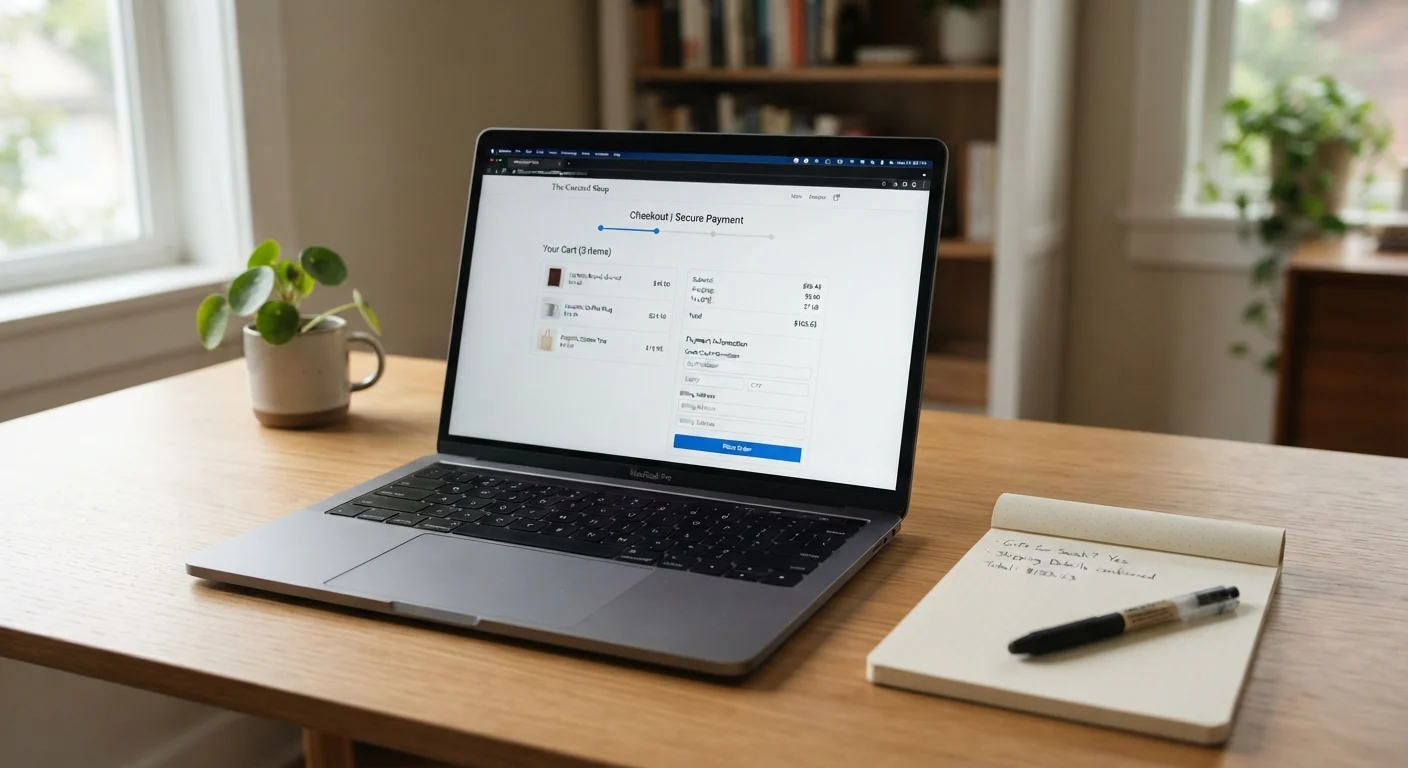
Once you have finished the audit, transfer your genuine gaps to a master list before opening any shopping app or browser tab. If you shop online, the pre-order checklist can help you verify pricing and return terms before confirming your cart. For a broader look at structuring your shopping habits around this kind of preparation, see building a smarter household shopping routine.
Avoid auditing and shopping on the same day
Running the audit immediately before leaving for the store compresses the process and encourages impulse additions. Do the audit the day before your planned shopping trip so you have time to review the list with a clear head. Items that feel urgent in the moment often look optional after a night's reflection.
Smart Shopping Editorial Team is the collective byline for our editorial team and contributor network. Articles published under this byline or an editorial pen name are researched, written, and reviewed according to our editorial standards for clarity, consistency, and independence before publication.
The content provided on our blog site traverses numerous categories, offering readers valuable and practical information. Readers can use the editorial team’s research and data to gain more insights into their topics of interest. However, they are requested not to treat the articles as conclusive. The website team cannot be held responsible for differences in data or inaccuracies found across other platforms. Please also note that the site might also miss out on various schemes and offers available that the readers may find more beneficial than the ones we cover.