Why an autumn walkthrough saves money and stress
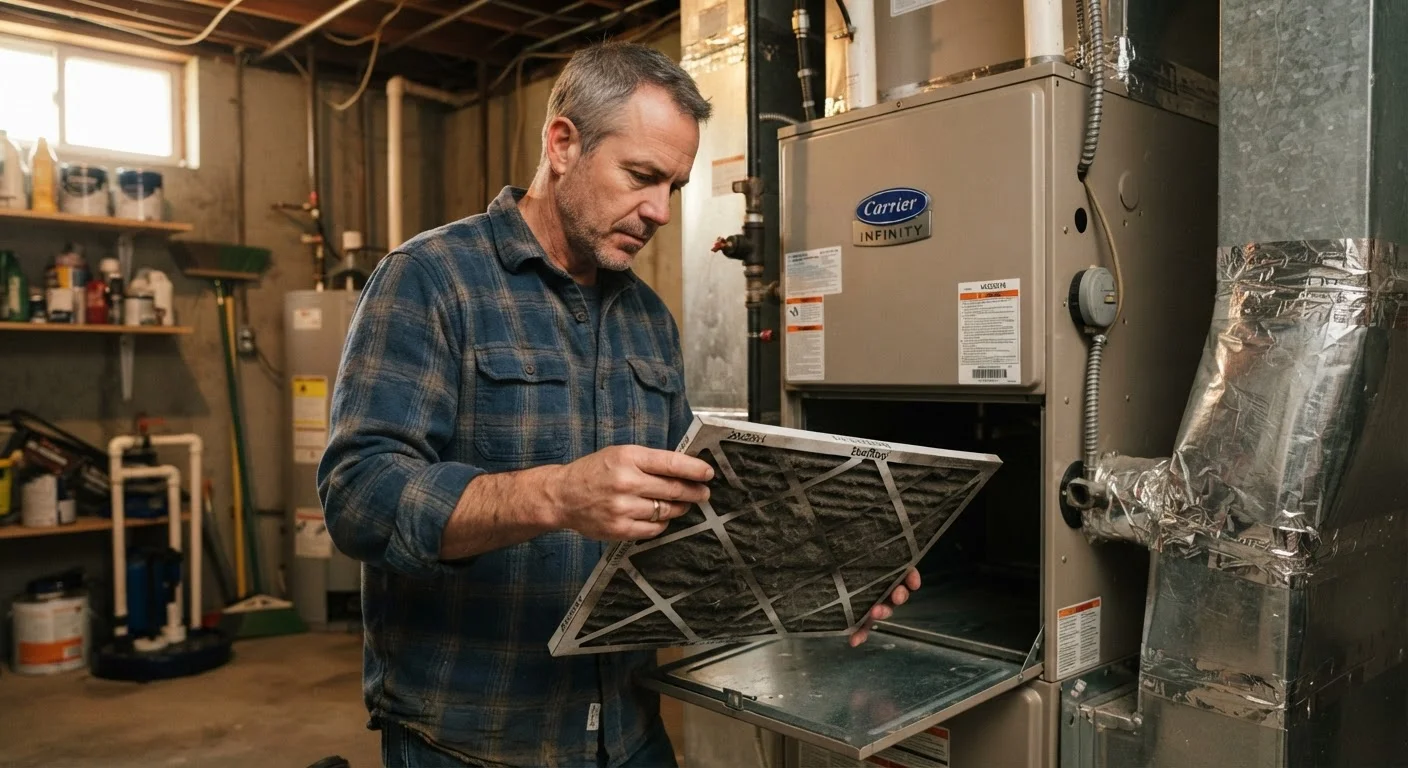
Most winter repair bills trace back to something small that went unnoticed in October or November. A blocked gutter causes ice damming. An unsealed gap around a pipe lets freezing air in. A furnace filter that has not been changed since spring makes the system work harder, shortening its lifespan. None of these problems are complicated to fix early; they all become expensive once winter is underway.
This checklist is organized by zone so you can work through your home systematically without backtracking. Pair it with the month-by-month maintenance calendar to slot each task into the right window before temperatures drop.
Budget roughly one to two hours for a thorough walkthrough of an average single-family home. If you find something that needs licensed trade work, such as a gas appliance issue or a structural concern, use the DIY vs. professional framework to decide how to proceed.
Ladder
Needed to safely access gutters and inspect the lower roofline.
Caulk gun and exterior caulk
Used to re-seal gaps around windows, doors, and exterior penetrations.
Pipe insulation foam
Wraps exposed pipes in unheated spaces to reduce freeze risk.
Replacement weatherstripping
Seals gaps around exterior doors after old stripping is removed.
Furnace filter (correct size for your unit)
Replaces the old filter before the heating season starts.
Flashlight
Useful for inspecting attic, crawl space, and basement areas with limited lighting.
Carbon monoxide detector
Replacement unit if any existing detector is past its manufacturer-recommended replacement date.
The checklist
Work from the outside in. Start with the roof and gutters while natural light is good, move to the exterior walls and foundation, then step inside to cover heating, plumbing, and safety systems.
Roof and gutters
Exterior walls, windows, and doors
Heating system
Plumbing and pipes
Safety systems
Attic and basement
Gas appliances need a licensed inspection
Do not attempt to inspect, adjust, or repair gas furnaces, boilers, or gas fireplaces yourself. A licensed HVAC technician should inspect gas appliances annually. Carbon monoxide leaks from poorly maintained gas equipment are odorless and can be fatal; this is not a task to defer or DIY.
If you find items that fall outside straightforward maintenance, such as cracked flashing, a malfunctioning heat exchanger, or foundation cracks wider than a hairline, get a qualified professional involved before winter sets in. The common maintenance mistakes guide covers why delaying those calls tends to cost more in the long run.
What to do with your findings
After the walkthrough, sort what you found into three categories: fix now, schedule before first freeze, and monitor through winter. Items in the first category, such as a disconnected dryer vent or a cracked caulk seal around a window, can typically be handled on a weekend afternoon. Items in the second category, like furnace servicing or attic insulation gaps, need a booking in the next two to four weeks.
For the yard and outdoor spaces, see the yard and garden hub for guidance on winterizing irrigation lines, protecting perennials, and storing outdoor equipment properly.
If the walkthrough surfaces a longer list than expected, the seasonal prioritization guide can help you decide what genuinely needs attention versus what can wait until spring without consequence.