
How to use this calendar
This calendar organizes home maintenance by month, grouped into seasonal quarters. Each task is listed at the point in the year when it is most effective, not just convenient. Some months carry more weight than others. A few tasks, like testing smoke detectors, belong on a fixed schedule regardless of season.
If you are new to structured maintenance, start with the current month and work forward. You do not need to catch up on every missed item at once. For a broader look at what new owners commonly overlook, see what new homeowners often get wrong.
Tasks involving gas lines, electrical panels, structural elements, or roofing should go to a licensed professional. When in doubt about whether a job requires a permit or a licensed trade, check with your local building authority before starting. The DIY vs. pro framework can help you make that call with more confidence.
January through March: winter wrap-up and spring prep
January: Inspect attic insulation and check for ice dam formation on the roof edge. Ice dams form when heat escapes through the roof and melts snow that refreezes at the eaves. Do not attempt to remove ice dams yourself using sharp tools; contact a roofing professional if the buildup is significant. Test all smoke and carbon monoxide detectors and replace batteries if needed.
February: Check for drafts around windows and exterior doors using a candle or incense stick on a calm day. Seal gaps with weatherstripping or caulk where appropriate. Inspect basement and crawl space for moisture or standing water after freeze-thaw cycles.
March: As temperatures stabilize above freezing, walk the exterior and look for cracked caulk, damaged siding, and heaved concrete on walkways. Flush the water heater to clear sediment buildup, which affects efficiency over time. Test your sump pump before spring rains arrive by pouring water into the pit to confirm the float switch activates.
April through June: exterior and systems checks
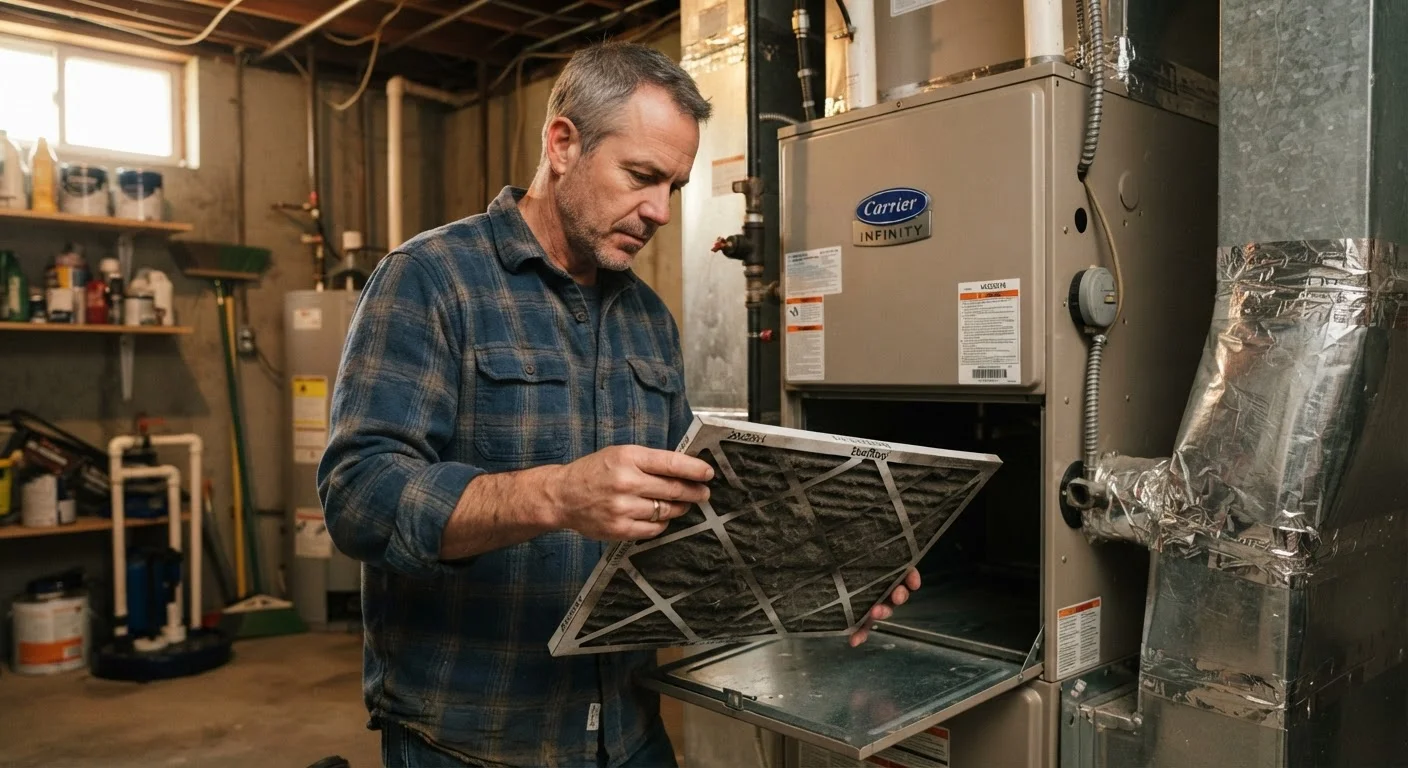
April: Schedule a professional HVAC tune-up before the cooling season. A technician will check refrigerant levels, clean coils, and confirm the system is running within spec. Clean or replace air filters. Clear debris from window wells, drains, and downspout extensions. For outdoor tasks running alongside this work, the suburban yard care calendar covers lawn and garden timing in detail.
May: Inspect the roof from the ground using binoculars or hire a roofer for a close inspection if the roof is more than 10 years old. Check flashing around chimneys and skylights. Clean dryer vents thoroughly; lint buildup is a fire hazard. Inspect deck or patio for loose boards, popped fasteners, or wood rot, particularly where the surface meets the house.
June: Test and inspect irrigation systems or hoses before summer heat sets in. Check window and door screens for tears. Inspect the garage door's auto-reverse safety function by placing a 2x4 flat on the ground in the door's path: the door should reverse on contact.
July through September: mid-year and pre-fall tasks
July: Check exterior wood surfaces, including fences and pergolas, for paint or stain failure. Repainting or resealing before summer ends gives coatings time to cure properly. Inspect window caulk on the exterior and re-apply where it has cracked or pulled away from the frame.
August: Have the chimney inspected and swept by a certified chimney sweep before the burning season begins. Clean refrigerator coils at the back or underneath the unit; clogged coils force the motor to work harder. Flush outdoor faucets and check for slow drips before they worsen.
September: This is the most important transition month of the year. Complete a full autumn walkthrough before the first cold snap. The autumn home walkthrough guide covers gutters, heating systems, pipes, and weatherproofing in a room-by-room format. Schedule heating system service if you did not do it in spring. Begin clearing gutters of early leaf fall.
October through December: winterizing and year-end checks
October: Disconnect and drain garden hoses. Shut off outdoor faucet supply valves from inside the house and open the exterior spigot to let residual water drain. Have your furnace filter replaced and confirm the thermostat is functioning correctly. Reverse ceiling fans to run clockwise at low speed, which pushes warm air downward.
November: Drain and store irrigation systems in cold climates. Inspect weatherstripping on all exterior doors and the garage door bottom seal. Check that attic vents are clear and unblocked; proper airflow prevents moisture buildup over winter.
December: Test GFCI outlets in bathrooms, kitchens, and garages by pressing the test and reset buttons. Check all exterior lighting, including motion sensors. Review your homeowner's insurance policy annually to confirm coverage reflects any renovations or additions made during the year. Insurance-adjacent decisions are general guidance; speak with a licensed insurance professional about your specific policy needs.
This article provides general home maintenance information for educational purposes. It is not a substitute for advice from licensed contractors, structural engineers, or other qualified tradespeople. Local building codes and permit requirements vary; always verify requirements with your local authority before beginning work.