The basic mechanics: points, cash back, and earn rates
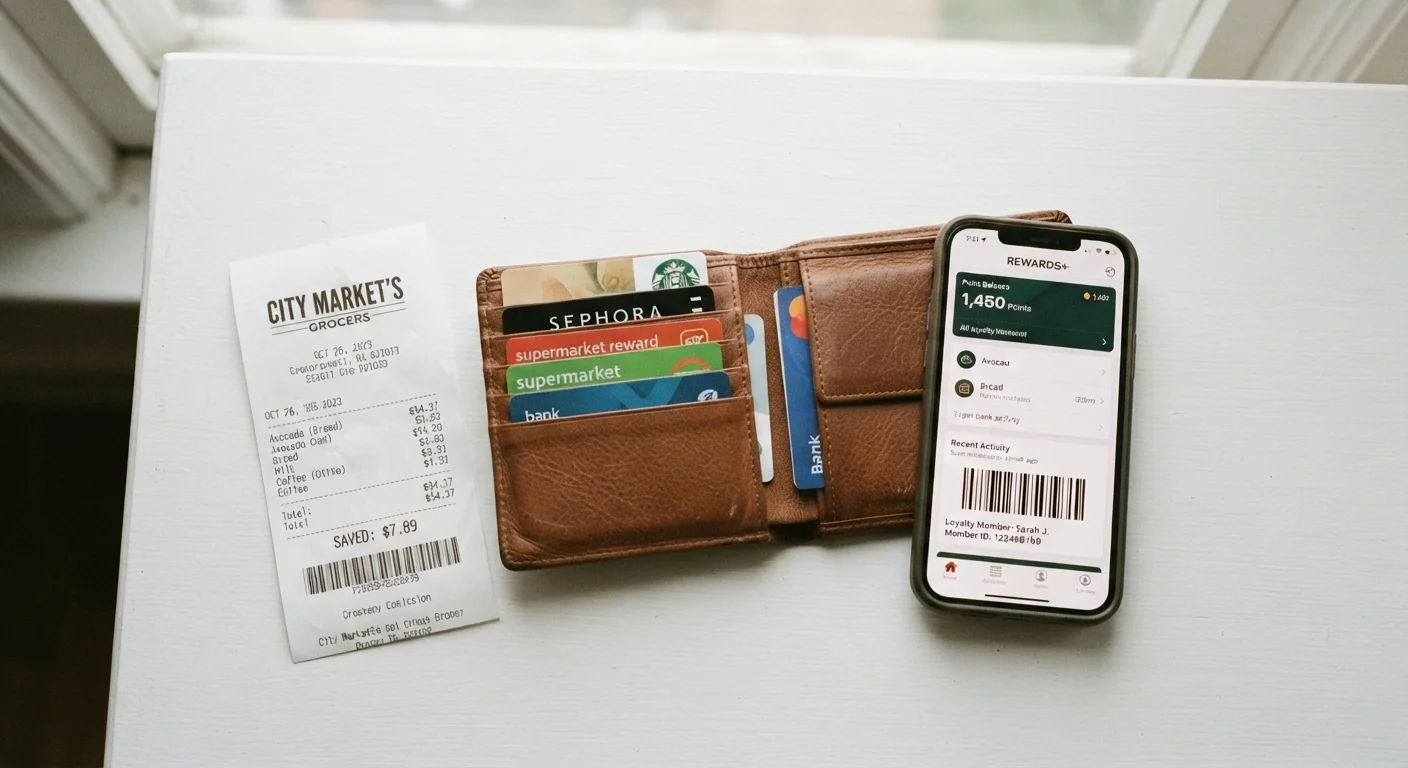
Most loyalty programmes translate spending into points at a fixed rate, for example one point per dollar spent. The retailer then sets a redemption value, often 1 cent per point, which means a 1% cash-back equivalent. Some programmes skip points entirely and post a cash-back balance directly to your account.
The earn rate is the number that matters most. A programme offering 2% back on groceries is straightforwardly more valuable than one offering 1%, assuming you redeem consistently. Retailers sometimes inflate earn rates on their own private-label products while applying a lower rate to national brands, so the headline rate does not always reflect what you earn on a typical basket.
Redemption rules shape real-world value as much as the earn rate does. A minimum redemption threshold of $20 means points sit idle until you accumulate enough, and if an expiry date arrives first, you lose them. Read the redemption section of any programme's terms before committing to it.
Check the redemption value, not just the earn rate
Two programmes can advertise the same points-per-dollar rate but differ significantly in how much each point is worth at redemption. Before signing up, divide the value of a typical reward (say, $10 off) by the points required to claim it. That calculation gives you the true cash-back equivalent so you can compare programmes on equal terms.
How tiers work and who they benefit
Tiered programmes divide members into levels, usually named something like Silver, Gold, and Platinum, based on annual spending. Members who reach a higher tier earn points faster, get access to exclusive sales windows, or receive free services such as shipping or returns.
The tier structure is designed to concentrate spending. A family sitting just below a tier threshold has a financial incentive to buy more at that retailer to cross it. Retailers publish thresholds deliberately so shoppers self-select into higher spending behaviour.
Tiers benefit families who already spend heavily at one store because the better earn rate effectively rewards habitual behaviour. For families whose spending is naturally spread across many stores, chasing a tier at a single retailer often means buying things there that could be sourced more cheaply elsewhere, erasing any reward benefit.
~1%
Typical grocery loyalty earn rate
Most supermarket loyalty programmes return between 0.5% and 2% of spending as redeemable rewards, according to general programme terms published by major US grocery chains.
30-40%
Share of loyalty points that go unredeemed
Industry analyses of loyalty programme economics consistently estimate that a large fraction of earned points expire or are never redeemed, which reduces the effective cost to retailers of running these schemes.
12-18 months
Common inactivity expiry window
Many retail loyalty programmes cancel accumulated points if no qualifying transaction occurs within a 12 to 18 month window, a standard terms clause shoppers frequently overlook at sign-up.
Member pricing: what it actually means
Many grocery and warehouse retailers advertise a member price alongside a higher regular price. The implication is that belonging to the programme saves you money at checkout. In practice, the regular price is often set above the retailer's intended selling price specifically to make the member price look attractive.
This is not always the case. Some member prices represent genuine promotional reductions funded by a supplier or a temporary margin cut. The difficulty is telling the two apart at a glance. Comparing the member price against prices at competing retailers is the most reliable check. Understanding how retailers structure discounts gives more context on how inflated reference prices work.
Member pricing also functions as a data collection mechanism. The retailer links your purchase to your account every time you scan a card or enter a phone number. That data informs targeted offers, category promotions, and broader merchandise decisions.
Your data and why retailers want it
Purchase data is the core exchange in most loyalty programmes. When you scan your card, the retailer records what you bought, how often, at what price point, and in what combination with other items. Aggregated across thousands of members, that data shapes pricing strategy, stock decisions, and promotional targeting.
For families, the practical consequence is a stream of personalised offers that tend to be for products you already buy. That can be useful, but it also means you are less likely to see offers that would genuinely shift your behaviour or expose you to cheaper alternatives. The targeting serves the retailer's interests alongside yours.
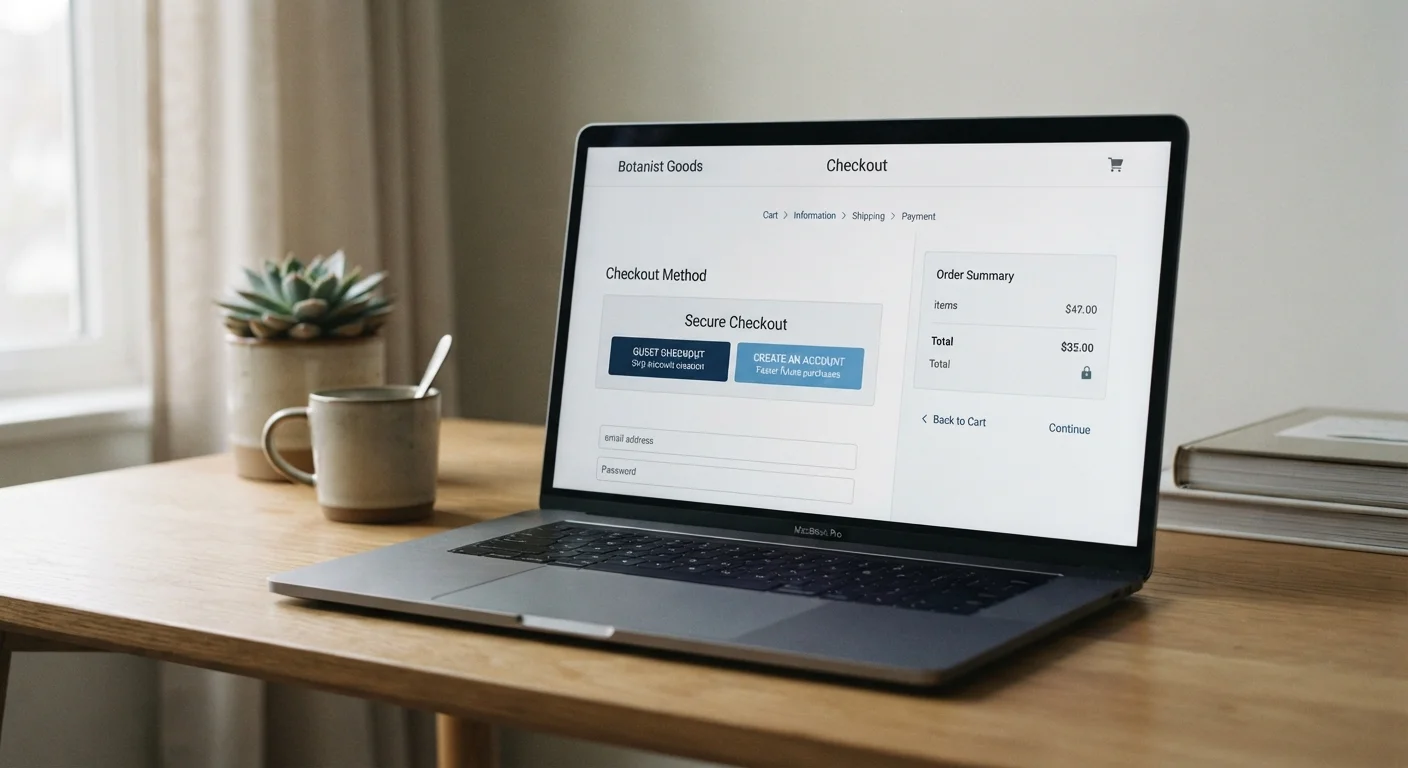
Privacy policies vary by programme. Some programmes share anonymised data with third-party marketing partners. Reviewing the privacy terms before enrolling is straightforward and takes a few minutes. The trade-offs between creating an account and shopping as a guest covers the data dimension in more detail.
Getting practical value from loyalty programmes
The families who extract the most value from loyalty programmes treat them as a passive benefit of spending they were already going to do. They do not adjust shopping behaviour to earn more points, and they redeem regularly rather than accumulating a large balance that could expire.
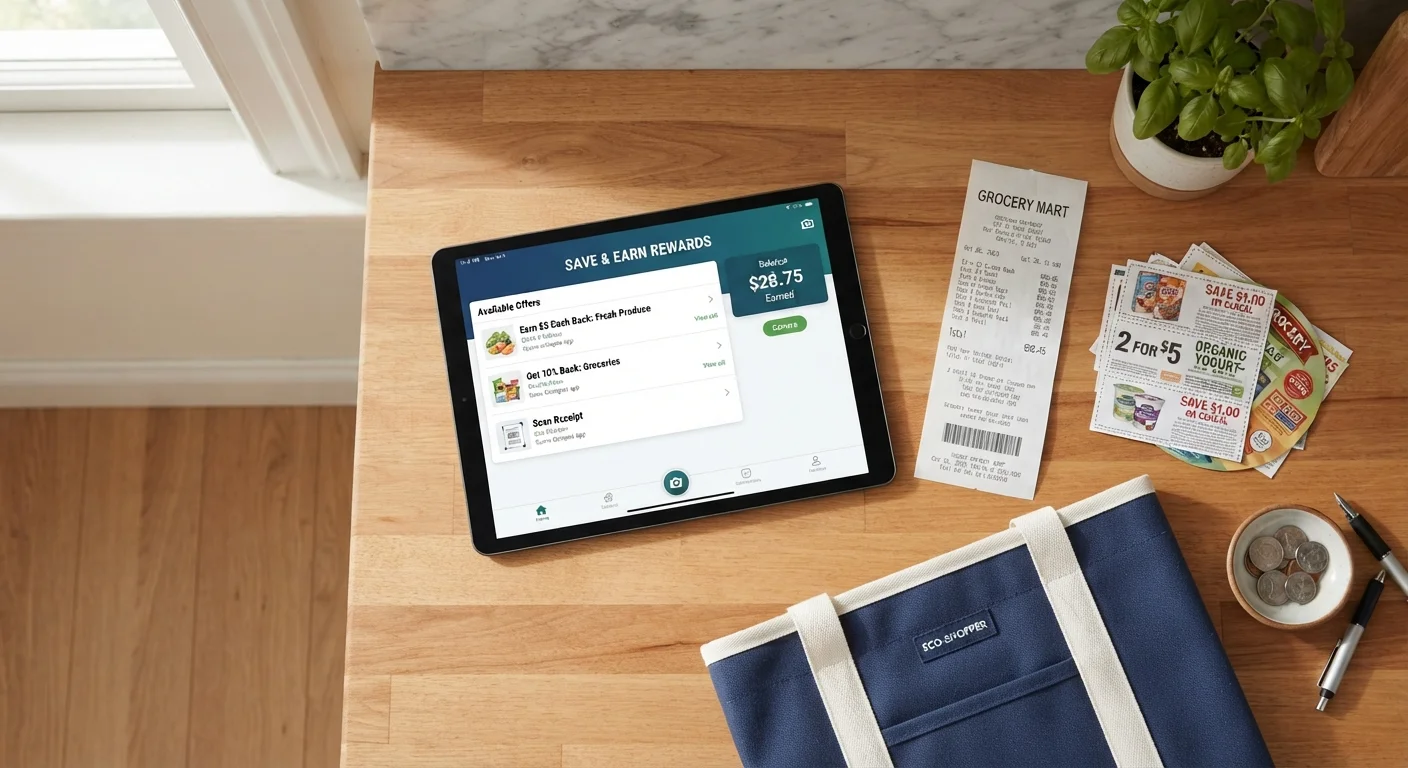
Stacking a loyalty programme with a cashback credit card at the same retailer compounds the effective return on each purchase without requiring extra spending. Combining loyalty rewards with coupons and cashback covers how these tools interact. Similarly, browser extensions that surface coupon codes can sometimes be applied on top of member pricing online. What actually works among coupon and cashback tools gives a clear-eyed breakdown of those options.
Choosing one or two programmes at stores you visit weekly, setting a calendar reminder to check expiry dates quarterly, and linking a cashback card to the same purchases covers most of the available value with minimal ongoing effort.