Where the fuel actually goes
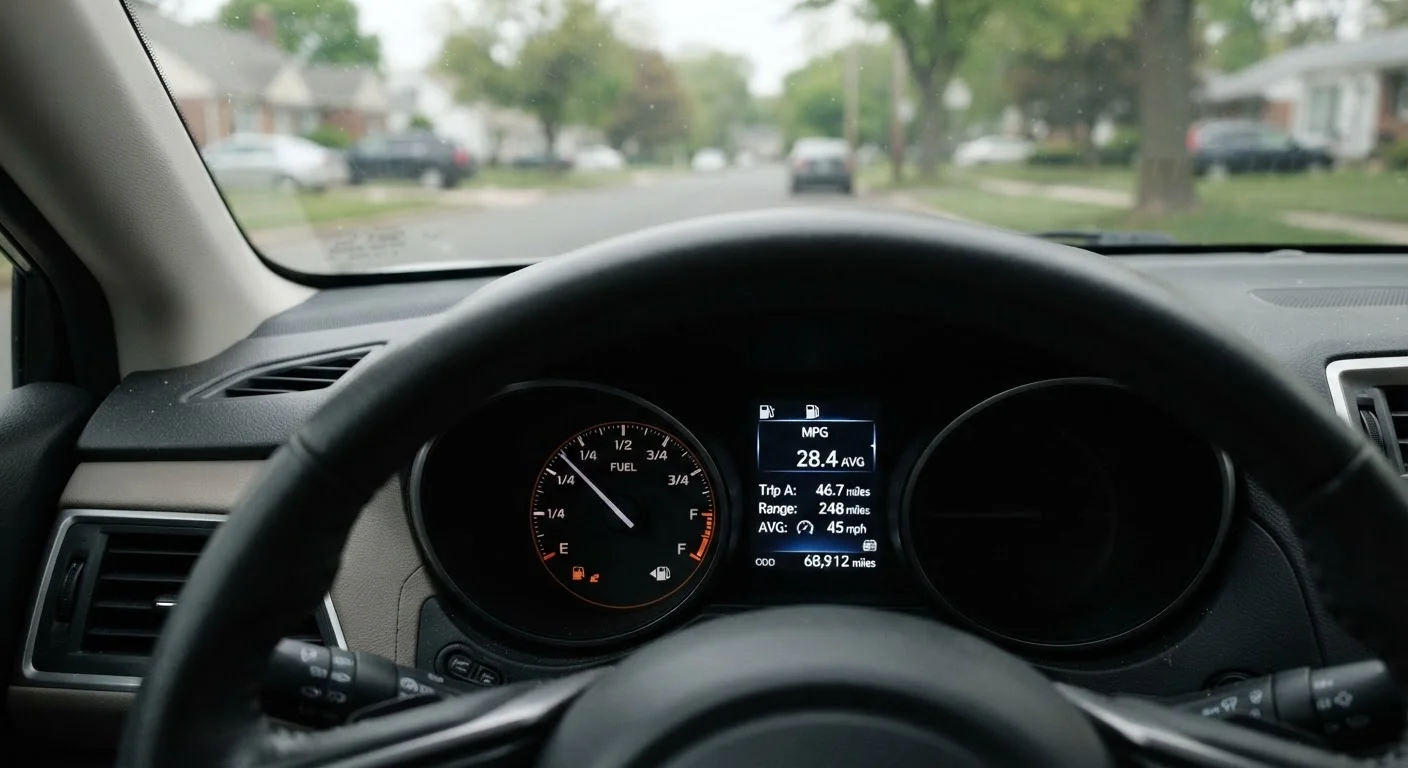
Most commuters notice their fuel economy has slipped when they find themselves filling up more often than they used to. The gap between a car's official MPG rating and real-world results is normal, but a larger-than-expected gap usually comes from a cluster of small, fixable causes rather than one dramatic fault. Official MPG figures and how to read them explains why the sticker number rarely matches the pump, but the mistakes below are what drive the gap wider for most drivers.
Fuel economy problems are rarely invisible. Under-inflated tires, a dirty air filter, unchecked fault codes, unnecessary cargo weight, and aggressive throttle inputs each have a measurable effect. Taken together, they can reduce efficiency by 20 percent or more compared to a well-maintained vehicle driven smoothly. The practical question is which issues are affecting your vehicle right now.
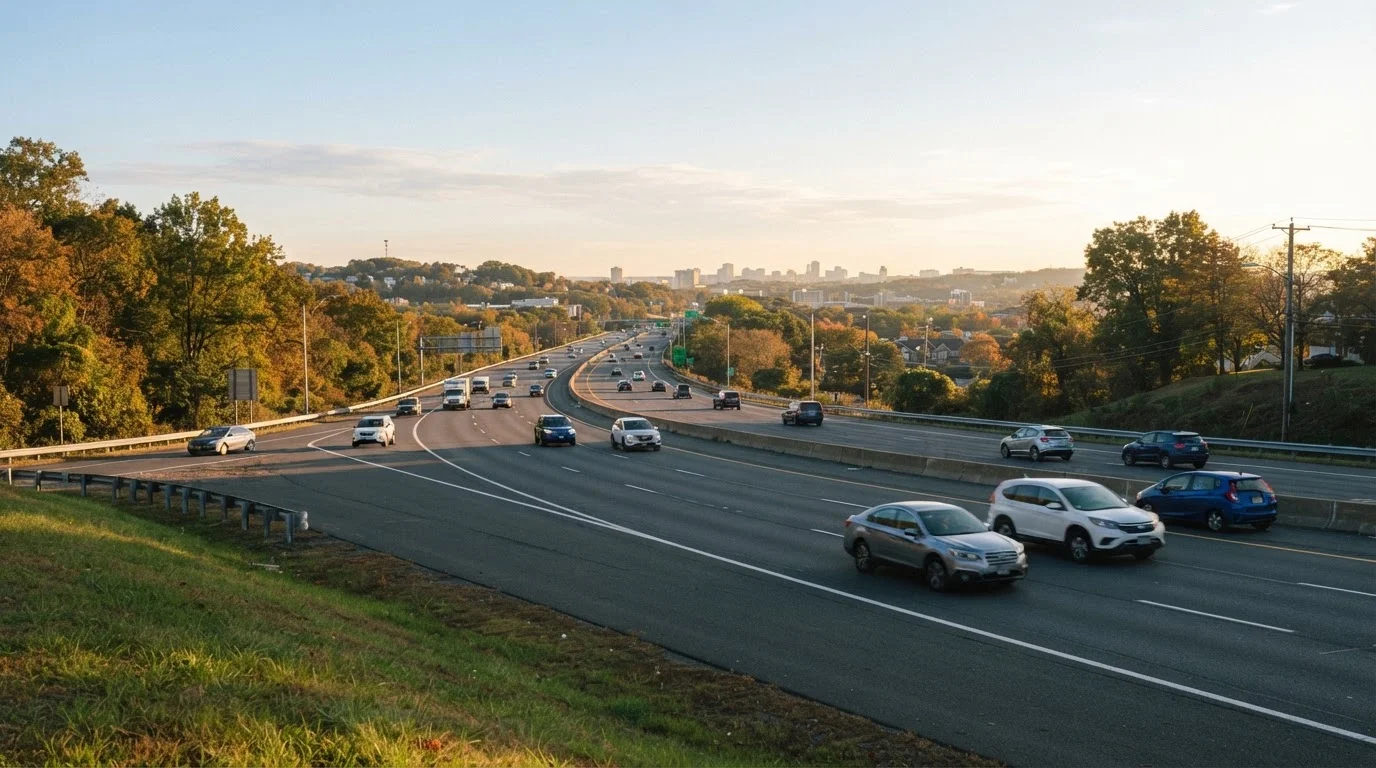
City and highway driving burn fuel differently, and the mistakes that matter most shift depending on your route. Stop-and-go commuters lose more to aggressive braking and idling; highway commuters lose more to aerodynamic drag from roof carriers and excess speed. Knowing your route type helps you prioritize.
The most common mistakes draining your tank
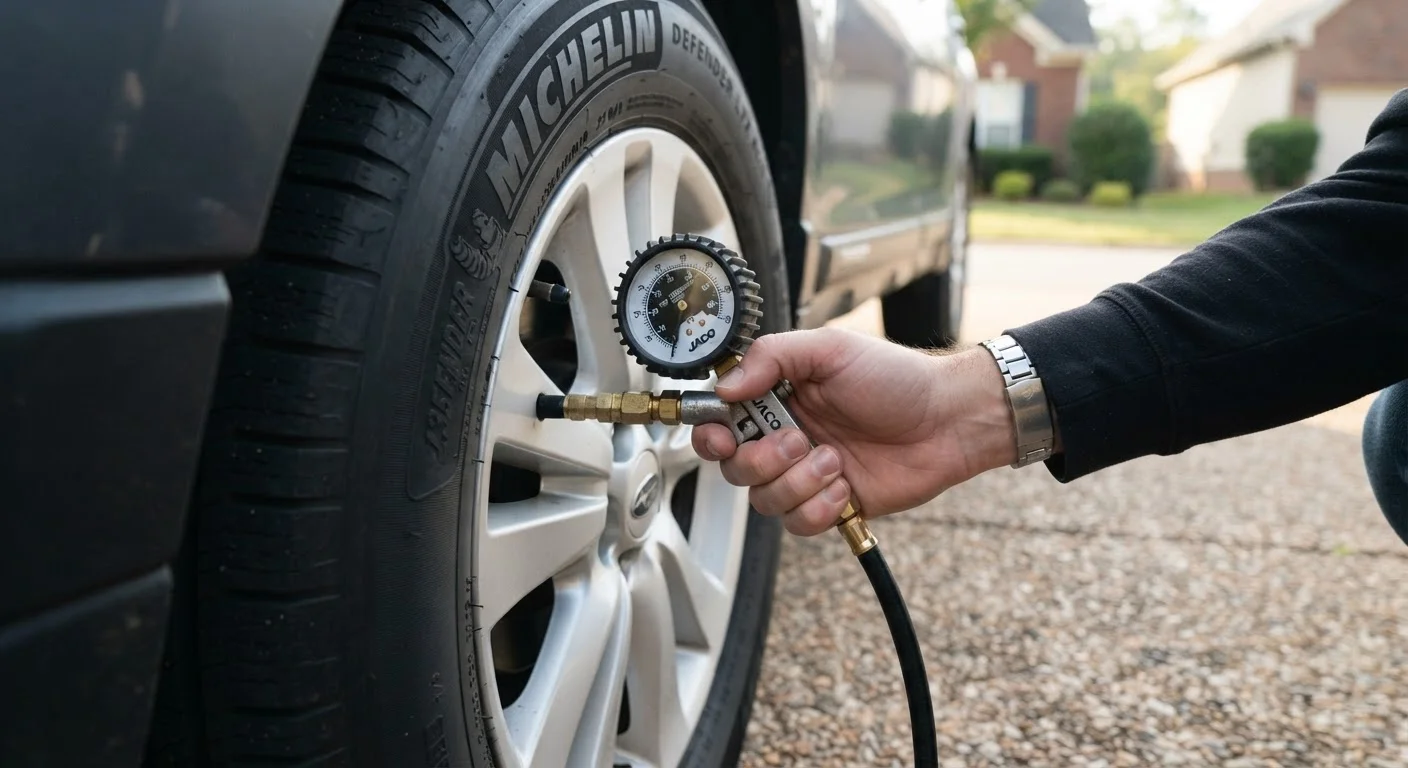
Driving on under-inflated tires without knowing it.
Why it happens: Tire pressure drops naturally over time and with temperature changes, so tires can be noticeably low without appearing flat. Many drivers rely on the TPMS warning light, which activates only after a significant pressure drop.
Hard acceleration followed by hard braking on a regular commute.
Why it happens: Stop-and-go traffic creates a reflex to accelerate hard when a gap opens, then brake sharply before the next light. The behavior feels natural but consumes fuel at a rate far above steady cruising.
Leaving a fault code unaddressed after the check-engine light comes on.
Why it happens: Many drivers assume the light indicates only emissions issues or something minor, and defer repair because the car still drives. Some faults genuinely are minor, but others, like a failing oxygen sensor, directly affect how much fuel the engine injects.
Carrying significant unnecessary weight in the vehicle week after week.
Why it happens: Suburban vehicles become rolling storage units: sports equipment, bags of mulch, tools, and boxes accumulate because unloading them takes effort. Each extra 100 pounds in a typical passenger car reduces fuel economy by roughly 1 percent, according to the U.S. Department of Energy.
Idling for extended periods to warm up the engine or run climate control.
Why it happens: Cold-start idling is a habit passed down from the era of carbureted engines that genuinely needed warm-up time. Modern fuel-injected engines reach operating temperature faster when driven gently than when sitting still.
Neglecting the air filter until it visibly looks dirty.
Why it happens: Air filters degrade gradually, so there is no clear symptom that tells a driver the filter is restricting airflow. Many owners skip inspection because it is not part of routine oil-change conversations at every visit.
Fixing several of these at once compounds the benefit. A driver who corrects tire pressure, removes roof rack hardware, and smooths out throttle inputs on the same commute route can see a meaningful improvement within a single tank. For a full maintenance-based approach, small vehicle checks that protect your fuel budget walks through the practical steps.
Check-engine light and fuel economy
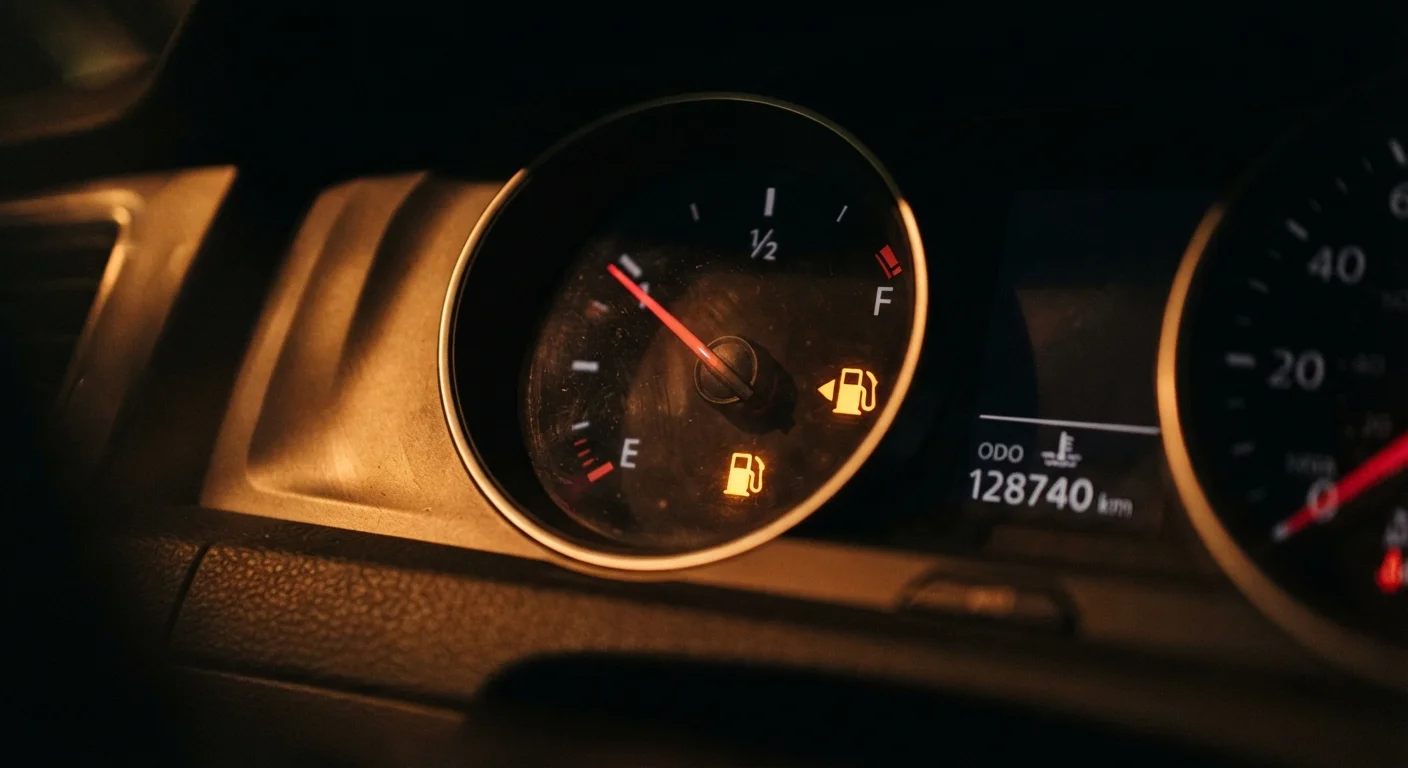
A lit check-engine light can signal a faulty oxygen sensor, a misfiring cylinder, or other issues that directly raise fuel consumption. Ignoring it does not just risk engine damage; it costs money at every fill-up. Have the fault code read at a shop or with an OBD-II reader before assuming the light is minor.
If you want to go further, fuel economy habits for long commutes covers how to apply these principles across a full workweek. And before spending money on additives or gadgets, fuel-saving claims that do not hold up is worth reading first.