What your engine is actually doing when you press the pedal
Fuel efficiency is not primarily about which vehicle you drive. It is largely determined by how you operate whatever vehicle you have. The engine control unit (ECU) responds to throttle position in real time, adjusting how much fuel the injectors deliver. Press the pedal quickly, and the ECU interprets that as a high-power demand and adds fuel accordingly. Press it slowly, and the system can maintain a leaner mixture and keep the engine in a more efficient state.
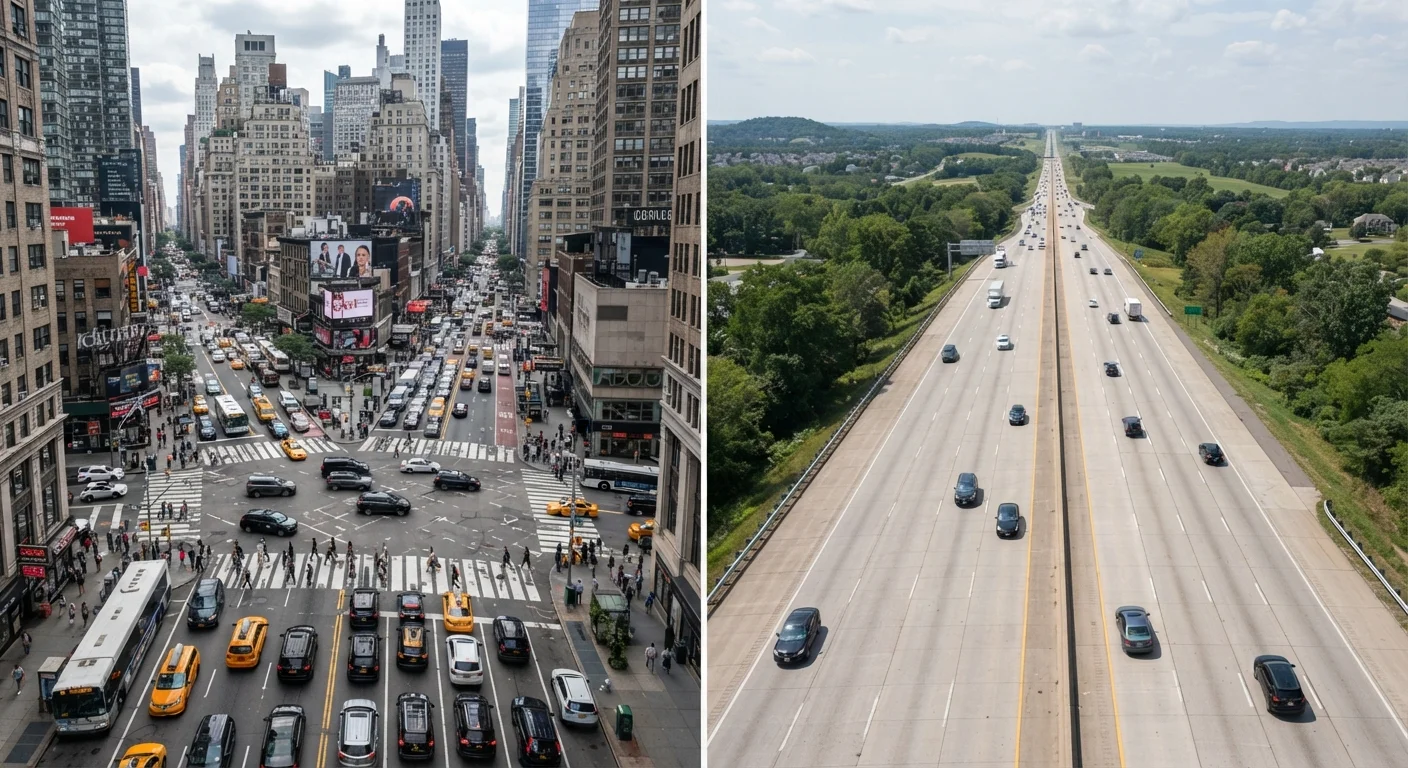
Transmission behavior follows the same logic. City and highway driving put very different demands on the drivetrain, but in both settings, the rate at which you apply throttle shapes gear selection, RPM, and ultimately how much fuel moves through the system per mile.
Automatic vs. manual transmissions
Modern automatic and continuously variable transmissions (CVTs) adjust gear selection based on throttle input rate, not just speed. Pressing the accelerator quickly signals a downshift request, which pushes engine RPM and fuel delivery up together. Gradual throttle application lets the transmission hold a higher gear, where fuel efficiency is better. This applies equally to hybrid systems managing the handoff between electric and combustion power.
The five driving habits that reduce fuel consumption most reliably
These practices address the main ways driver behavior increases fuel burn above the vehicle's baseline consumption. Each one works directly through engine physics or aerodynamics, not through gimmicks.
Accelerate gradually from stops and slow-speed situations.
Hard acceleration forces the engine control unit to open the fuel injectors wider to meet the sudden torque demand, a state called enrichment. Gradual throttle application keeps air-fuel ratios leaner and lets the transmission stay in a higher gear sooner, both of which reduce fuel consumed per mile.
Maintain a following distance that allows coasting before braking.
Kinetic energy stored in a moving vehicle is wasted as heat when you brake hard. Lifting off the throttle early and letting the car slow naturally returns fuel injection to near-zero on most modern fuel-injected engines during deceleration, a state called deceleration fuel cutoff.
Keep highway speeds at or below 60 mph where safe and legal.
Aerodynamic drag increases with the square of vehicle speed, so the power required to push through air at 70 mph is roughly 36 percent greater than at 60 mph. That difference translates directly into higher fuel consumption per mile.
Turn off the engine during stops longer than about 60 seconds.
An idling gasoline engine burns fuel at a measurable rate, typically 0.2 to 0.5 gallons per hour depending on engine size, while producing zero forward motion. Modern engines are designed to handle frequent restarts without accelerated wear, so the old concern about starter motor damage is largely outdated for vehicles built in the last two decades.
Use the vehicle's top gear as soon as traffic conditions allow.
Engine RPM drops significantly when moving up a gear at the same road speed, and lower RPM means the engine is doing less work per revolution, which reduces fuel delivery. On manual transmissions, shifting up early keeps the engine in its most efficient operating band.
For a broader picture of what else might be affecting your fuel costs, see why your car burns more fuel than it should.
Applying this on a typical suburban commute
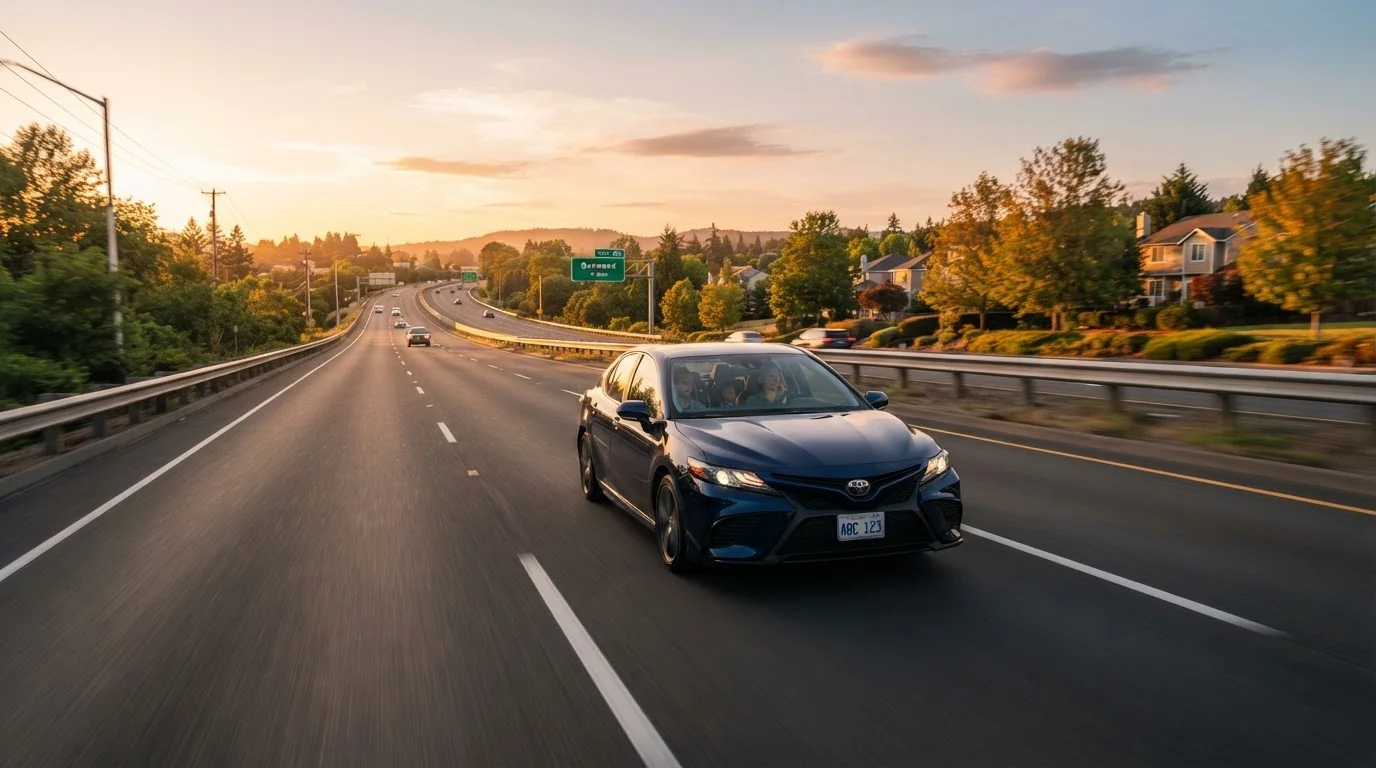
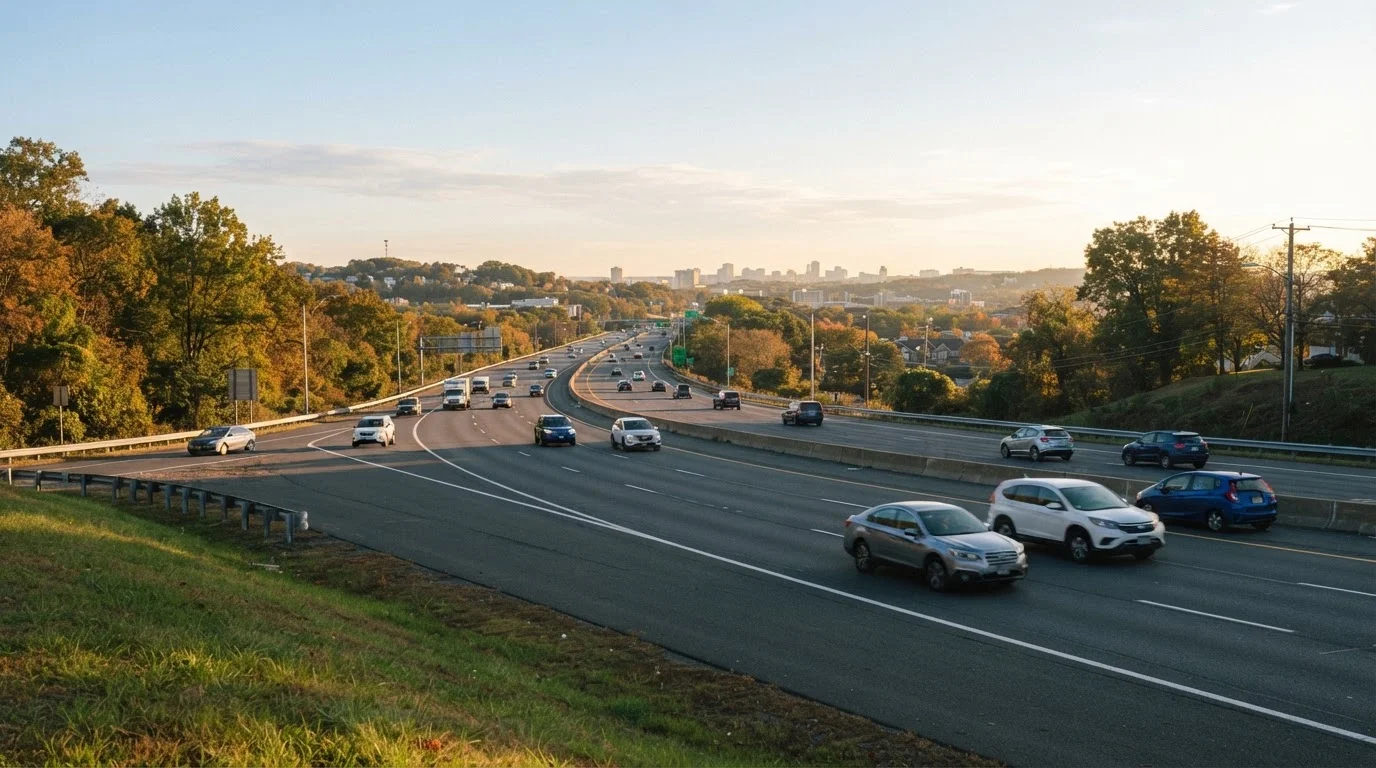
Most suburban commutes mix stop-and-go surface streets with a stretch of highway. That combination means the habits above all come into play within a single trip. Smooth acceleration off traffic lights, early throttle lift before red lights, and a consistent highway speed below 65 mph together cover most of the available savings.
“The relationship between driving behavior and fuel economy is direct and measurable. Aggressive driving, speeding, and rapid acceleration can lower your highway fuel economy by 15 to 30 percent compared with steady, moderate driving.”
— U.S. Department of Energy, Office of Energy Efficiency and Renewable Energy, fueleconomy.gov
The fuel economy habits that move the needle on long commutes go into more detail on repetitive suburban routes. If you want to separate real savings strategies from popular myths, fuel saving claims that do not hold up is worth reading alongside this one.
For immediate changes you can make before your next drive: