Why the environment you drive in changes everything
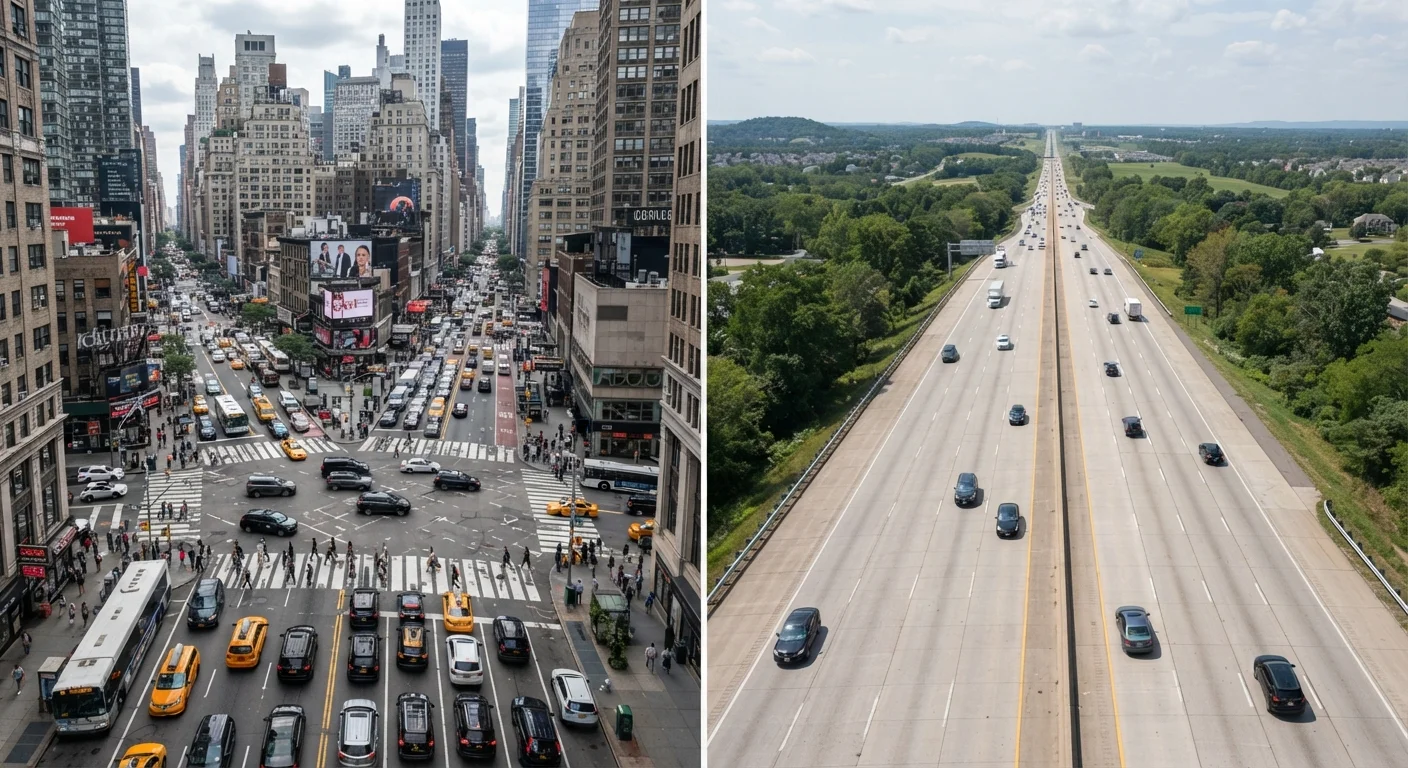
Your car's fuel economy rating comes as two numbers for a reason: city and highway driving are physically different tasks for your engine. The EPA tests each separately because the fuel demands are not interchangeable. Understanding what drives that gap helps you spend less, whether your commute is three traffic lights or thirty miles of interstate.
City driving is defined by acceleration events and stops. Every time you press the accelerator from a standstill, your engine burns a concentrated burst of fuel to overcome inertia. Then you brake, converting that kinetic energy into heat that disappears. Repeat that cycle dozens of times on a single commute and the cumulative waste adds up quickly.
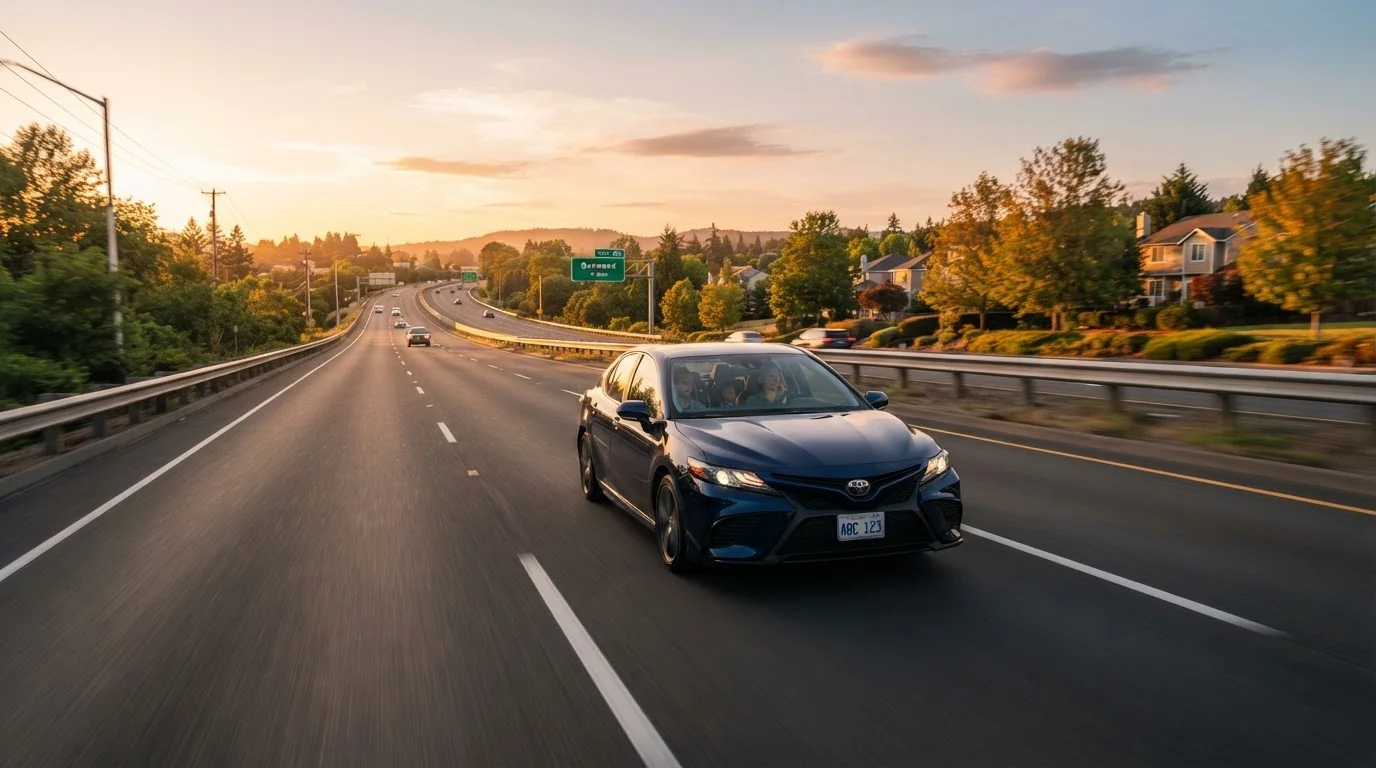
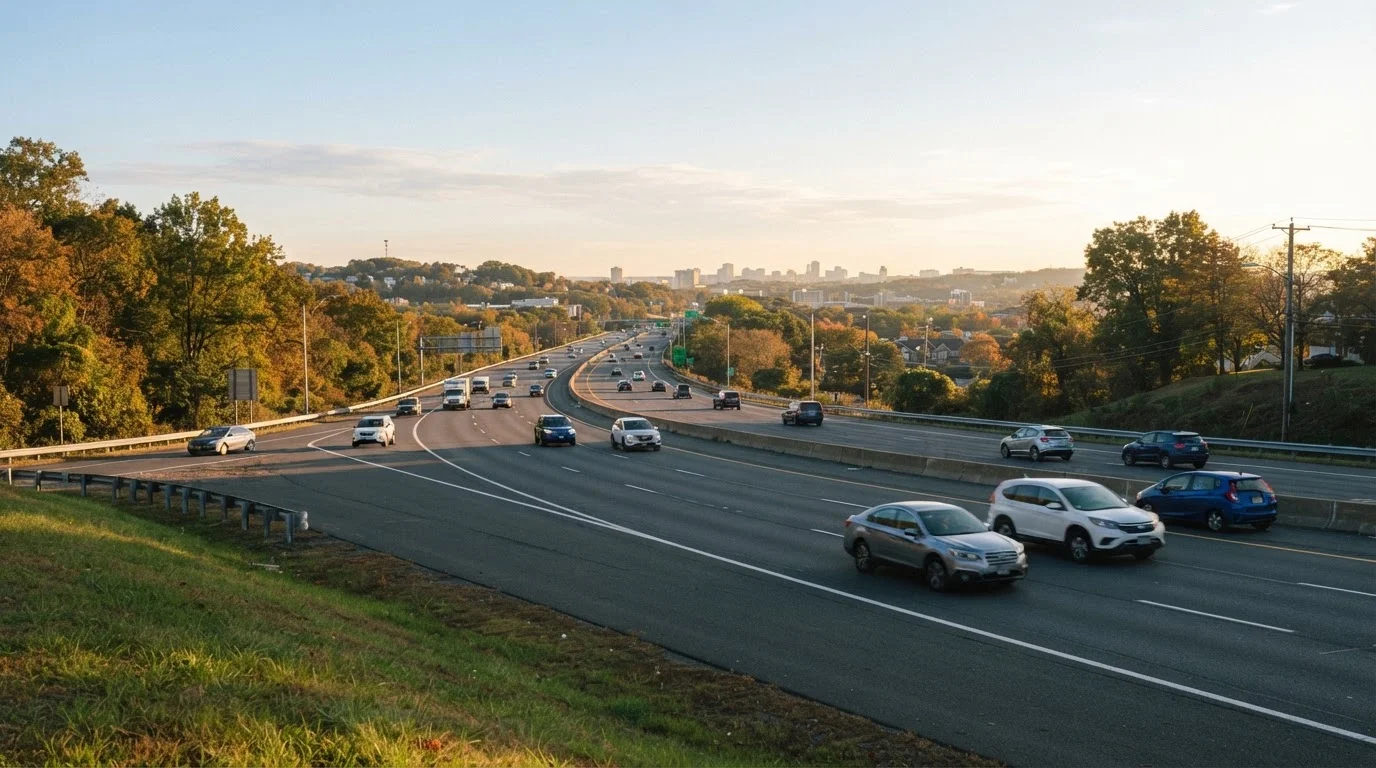
Highway driving removes most of that waste. Once a vehicle reaches cruising speed, the engine only has to overcome rolling resistance and aerodynamic drag, both of which require far less fuel than constant acceleration. That is why most conventional gas-powered vehicles post their best fuel economy numbers on open roads. For a broader look at how daily habits affect the numbers, see fuel economy habits that actually move the needle.
What happens under the hood in city traffic
Several mechanical realities combine to drain fuel in city conditions. Cold starts are one factor most drivers overlook. A cold engine runs a richer fuel mixture until it reaches operating temperature, typically around 195 to 220 degrees Fahrenheit for most passenger vehicles. Short city trips can mean the engine never fully warms up, so that enriched mixture runs for a larger share of each trip.
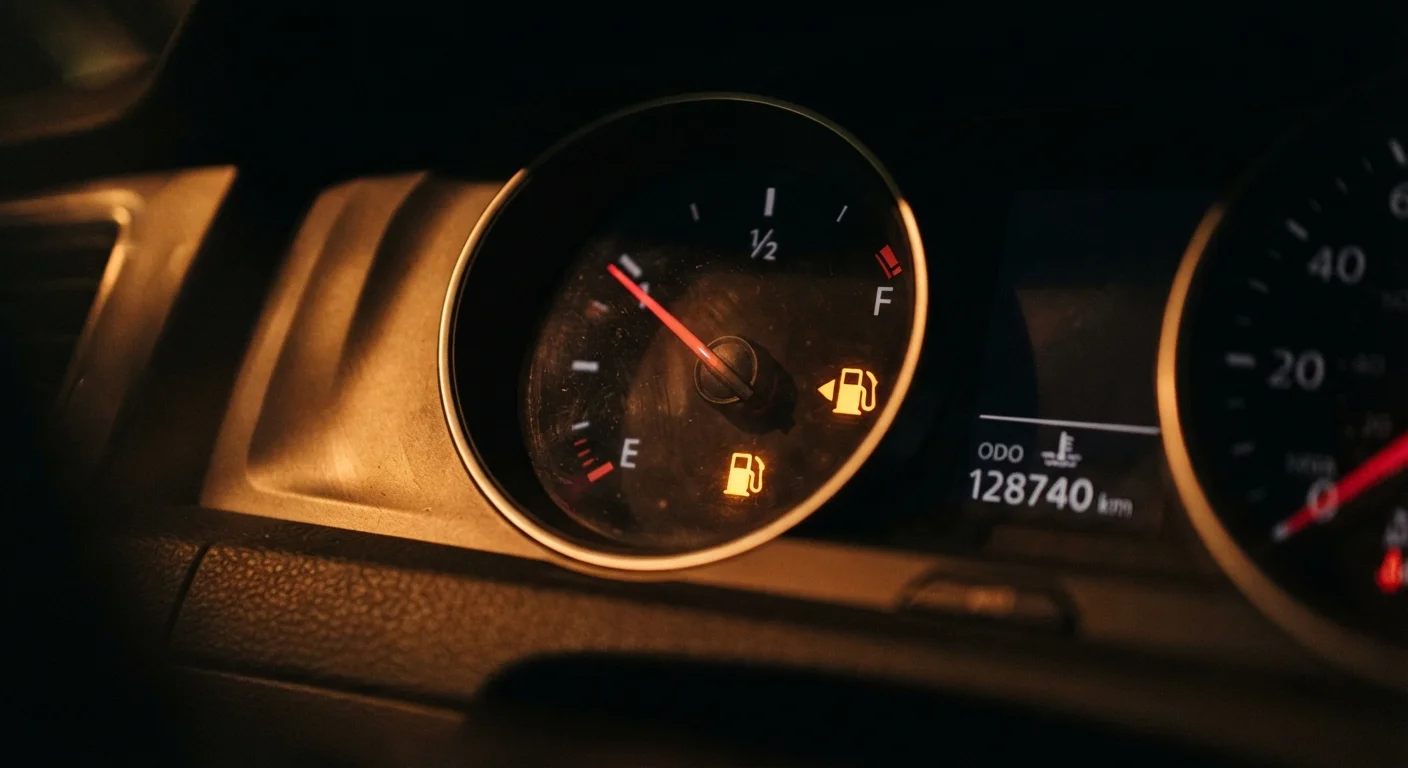
Idling is another drain. An idling engine produces zero miles per gallon by definition. Sitting at a long red light or in a drive-through burns fuel with no distance gained. Automatic stop-start systems in many modern vehicles address this, but older vehicles idle continuously.
Transmission behavior also matters. In stop-and-go traffic, an automatic transmission repeatedly shifts through lower gears where the engine runs at higher RPM for a given road speed. Higher RPM generally means higher fuel consumption. How your inputs affect the engine and transmission explains the mechanics behind this in more detail.
| Criterion | City driving | Highway driving |
|---|---|---|
| Primary fuel drain | Repeated acceleration from stops | Aerodynamic drag at speed |
| Idling impact | High (traffic lights, congestion) | Minimal |
| Engine temperature effect | Cold starts on short trips increase use | Engine stays at operating temp |
| Hybrid advantage | Large (regenerative braking helps) | Small (less braking to recover) |
| Transmission behavior | Frequent low-gear cycling, higher RPM | Sustained top gear, lower RPM |
| Speed's effect on efficiency | Low speeds limit aerodynamic drag | Above 65 mph, drag rises sharply |
The highway trade-off: speed and aerodynamics
Highway driving is not automatically efficient. The physics change once speed rises above roughly 50 mph: aerodynamic drag increases with the square of vehicle speed, meaning drag at 70 mph is nearly twice what it is at 50 mph. That extra resistance forces the engine to work harder, burning more fuel per mile than at moderate speeds.
The EPA's combined fuel economy estimate weights city driving at 55 percent and highway at 45 percent, which reflects how most Americans actually drive. Vehicles with boxy profiles, roof racks, or open truck beds face a larger aerodynamic penalty at speed. Tire inflation also matters more on the highway, where rolling resistance plays a bigger role over long distances.
If your vehicle has a tachometer, watching engine RPM at different highway speeds is a practical way to find its efficiency range. Most modern passenger cars reach their most fuel-efficient RPM band somewhere between 45 and 60 mph in top gear. Pushing beyond that costs measurable fuel per mile.
For a full picture of what drains your tank beyond driving style, why your car burns more fuel than it should covers vehicle conditions that quietly raise consumption.
Hybrids and how they change the comparison
Conventional vehicles are penalized most by city driving. Hybrids flip part of that calculus. Regenerative braking captures kinetic energy when you slow down and stores it in a battery, so each stop recovers something instead of wasting it as heat. The electric motor also handles low-speed operation more efficiently than a gasoline engine, which is at its most efficient closer to its peak load.
This is why hybrid fuel economy ratings often show a city number equal to or higher than the highway number, the opposite of conventional vehicles. Plug-in hybrids extend this further by allowing electric-only operation for short city trips, potentially reducing gasoline use to near zero on a daily urban commute if the battery is charged regularly.
For suburban families weighing a vehicle purchase, this distinction is worth quantifying against your actual commute pattern. A predominantly city driver covering 12,000 miles per year will see a much larger fuel saving from a hybrid than someone whose commute is 80 percent highway. A practical primer on fuel efficiency for new car owners covers how to evaluate these trade-offs when starting fresh with a vehicle.
This article is for general informational purposes only. Fuel economy figures vary by vehicle, driving conditions, and maintenance state. Verify EPA estimates and consult a qualified mechanic for advice specific to your vehicle.