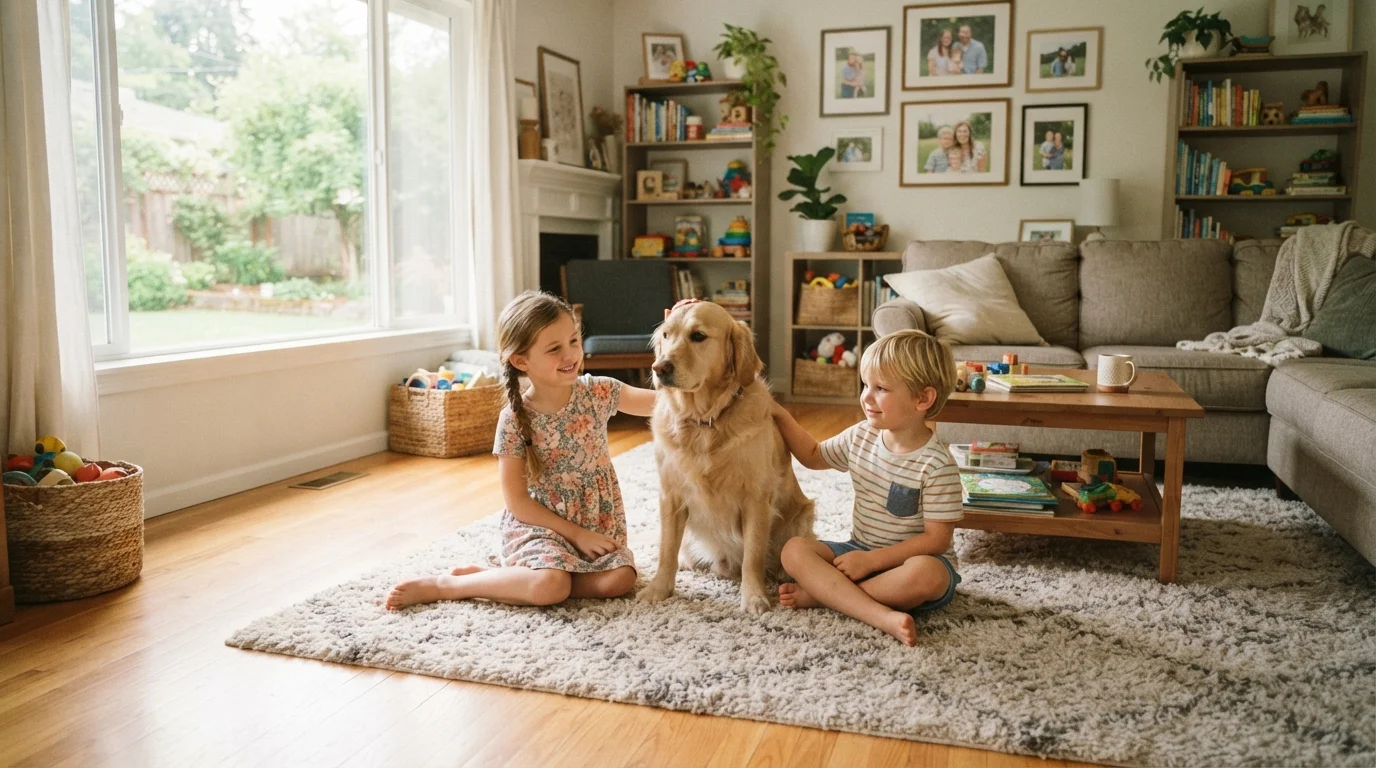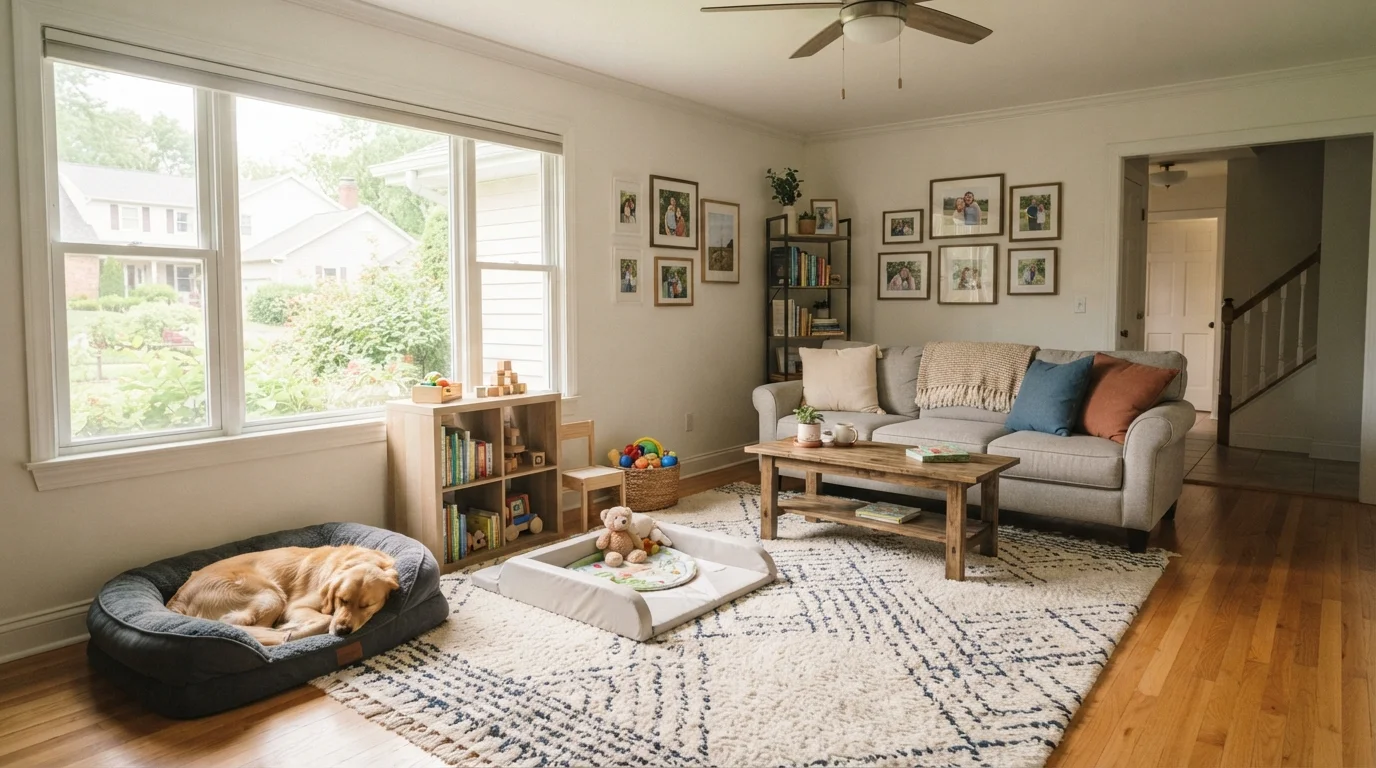
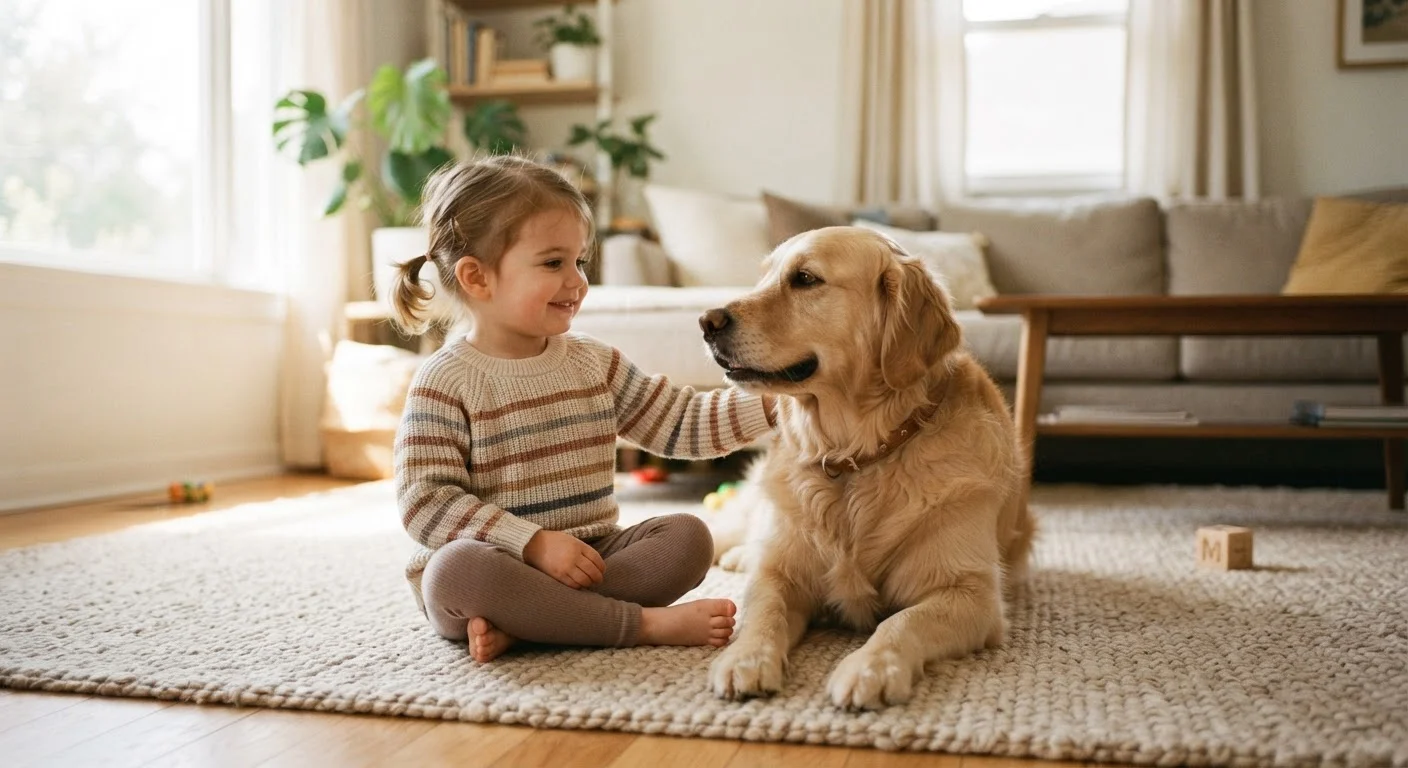
Why this learning process matters more than temperament alone
Even the most patient family dog or laid-back cat has a threshold. Incidents between children and pets rarely happen because an animal is aggressive by nature; they happen because a child crossed a boundary the pet had clearly signaled, and no adult intervened in time. The evidence on child-pet interactions consistently shows that supervision and skill-building on the child's side are the most reliable protective factors.
Age shapes what a child can realistically learn. Toddlers between one and three years old do not yet have reliable impulse control, so physical barriers and constant adult presence carry most of the safety load. Children aged four to six can begin to internalize simple rules when those rules are modeled repeatedly. By seven or eight, many children are ready to take on small, supervised pet care responsibilities, which deepens their sense of mutual respect. Our guide to age-appropriate pet care tasks covers how that progression can work in practice.
The goal is not to produce a child who is afraid of animals. The goal is a child who has enough awareness and self-regulation to interact with an animal on the animal's terms.
Start with your own behavior
Children imitate what they see adults do far more reliably than what adults tell them to do. If you always ask before touching a neighbor's dog, move calmly around your own cat, and respect the pet's space when it retreats, your child absorbs those habits. Verbal instruction works best when it reinforces what the child is already observing.
Building safe habits into daily family life
Structured lessons help, but habits form through repetition in ordinary moments. Feeding time, post-walk greetings, and quiet evenings on the couch are all opportunities to reinforce what children are learning. Narrate what you observe, redirect before incidents happen, and make the rules feel like a natural part of how your household operates rather than an external imposition.
Involve children in the pet's routine where it is age-appropriate. Even a four-year-old can help fill a water bowl under supervision. Small acts of care build the sense that the pet is a member of the household with genuine needs, not a toy. This framing tends to translate into more considerate behavior during play. For a fuller picture of how to structure that involvement, our guide to splitting pet duties with kids offers a practical starting point.
If you are still in the process of introducing a new animal to your home, the walkthrough for bringing a pet home with young children covers the first-day setup and the early weeks in detail. The groundwork laid during that introduction period makes everything in this guide easier to apply.