Why a weekly checklist works better than winging it
Daily pet care is easier to maintain when weekly tasks are mapped out in advance. Without a plan, grooming slides, water bowls get skipped, and litter boxes hit a crisis point right when you have the least time to deal with them. A checklist removes the guesswork and distributes the load across the week so no single day feels overwhelming.
If your household is already running on a tight schedule, this checklist pairs well with a short daily routine that handles the basics each morning or evening. The weekly tasks here go deeper: grooming, health checks, environment cleaning, and supply tracking that do not need to happen every day but must not be forgotten.
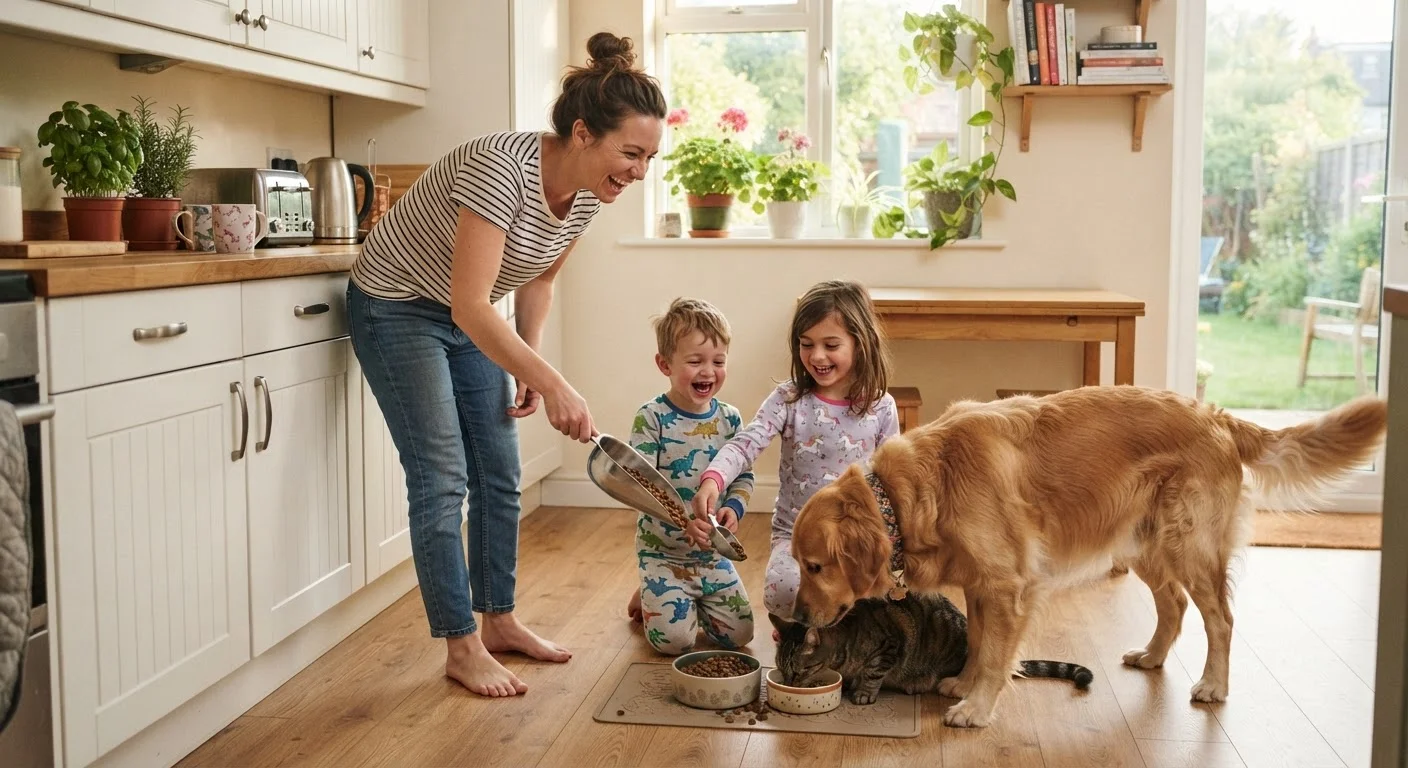
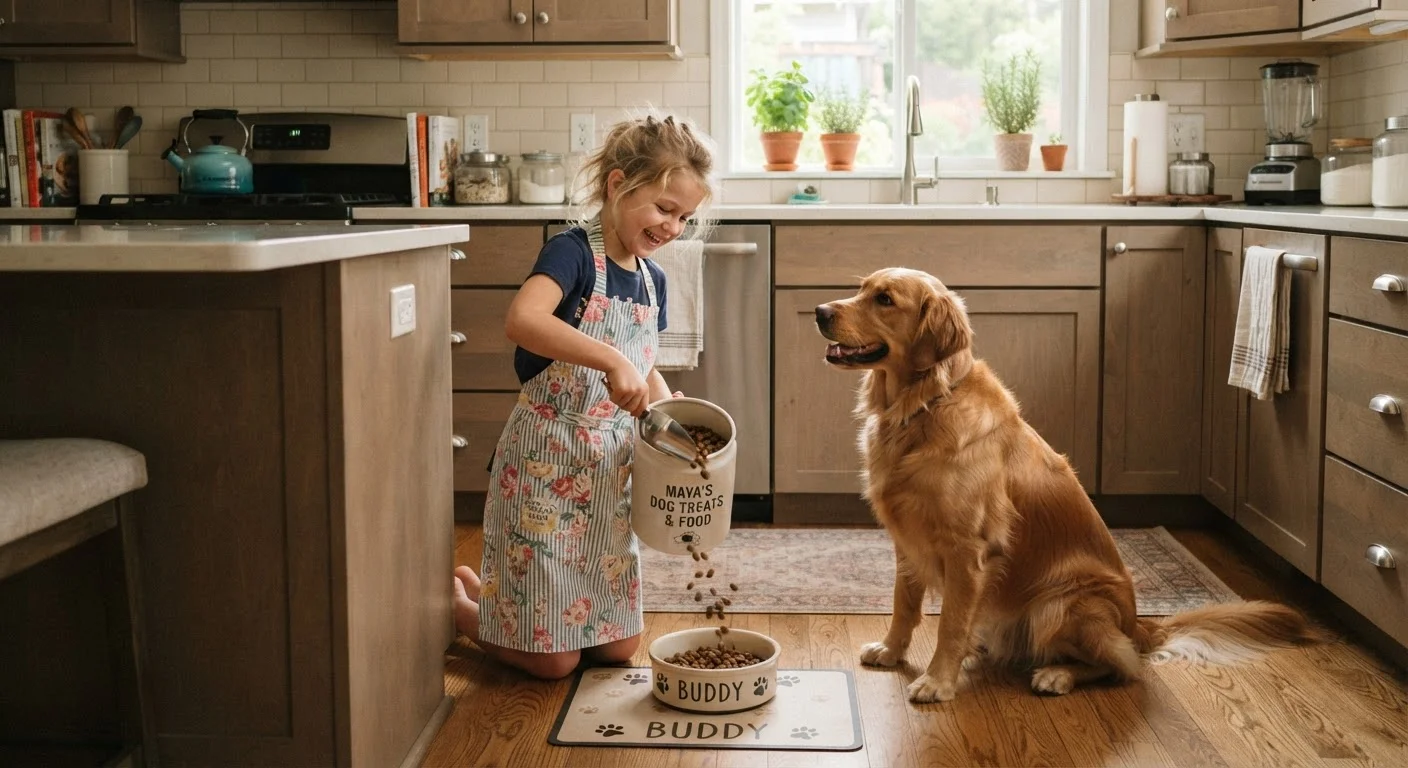
For families wondering how to involve children, assigning age-appropriate duties is one of the most practical ways to lighten the parental load while teaching real responsibility. A checklist on the fridge gives kids a concrete reference and a sense of ownership.
Feeding and hydration
Grooming and physical care
Living space and hygiene
Health and safety checks
Enrichment and social time
Administrative and supply
Tools and supplies to have on hand
Running through this checklist is faster when everything is already accessible. A small caddy or bin stocked with grooming tools, cleaning supplies, and health-check essentials saves the time spent hunting for items mid-task. Keep it in one consistent place so children who are helping can find and return items independently.
Pet-safe multi-surface cleaner
Used to wipe down crates, enclosures, and hard surfaces in pet areas without exposing children or animals to harsh chemicals.
Slicker brush or grooming comb
Used for weekly coat brushing to reduce shedding and check for skin changes.
Nail clippers (pet-specific)
Used to trim nails when they grow long enough to click on floors.
Handheld vacuum or lint roller
Used to quickly manage pet hair on furniture and bedding between deeper cleaning sessions.
Ear cleaning solution (vet-recommended)
Used for weekly ear checks and gentle cleaning for breeds prone to ear buildup.
Pet first aid reference card
Kept accessible so any adult or older child knows basic steps to take while contacting a vet.
If you are still deciding whether your household is ready for a pet at all, the family pet readiness checklist covers space, budget, and child maturity considerations before you commit.
Using this checklist as a family
Print this checklist or save it somewhere the whole family can see it. Assign initials next to tasks so accountability is shared, and rotate responsibilities weekly so children build confidence across different types of care rather than getting stuck doing only one job.
Teaching children to handle pets safely takes a little upfront effort, but it pays off quickly when they can complete grooming or feeding tasks with minimal supervision. Younger children (ages 3 to 5) do well with simple observation roles and water bowl checks, while children aged 6 and up can take on feeding schedules and basic grooming with guidance.
Supervise all child-pet interactions
Even well-behaved pets can react unpredictably when startled or in pain, and young children may not yet read animal body language reliably. Always have an adult present when children under 8 are handling pets, especially during grooming or feeding tasks. The pet safety at home hub has guidance on creating safe shared spaces for kids and animals.
For a broader picture of how this checklist fits into your household's overall pet routine, building a full pet care routine from scratch walks through every category your pet needs covered, from exercise to vet scheduling.
Consistent routines matter more than perfect ones. If a task gets skipped one week, note it and catch up rather than abandoning the checklist entirely. Pets thrive on predictability, and so do kids.