Before you adopt or purchase, run through this checklist covering space, budget, allergies, child maturity, and caretaking responsibilities.
Key Takeaways
Honest assessment of your home space, schedule, and budget prevents common adoption regrets.
Allergy screening before adoption protects both children and the pet from a disruptive rehoming.
Matching pet type to your children's ages reduces safety incidents at home.
Every household member, including kids, needs a defined role in daily pet care.
Vet costs, food, and supplies add up faster than most families expect at the outset.
Why a checklist matters before you adopt
Bringing an animal into a household with children is not a small decision. The excitement is real, and so are the practical demands that start on day one. A structured checklist helps you separate the emotional pull of the moment from the concrete requirements of long-term care.
This checklist covers five areas: space and environment, household health, finances, child readiness, and caretaking responsibilities. Work through each section honestly, ideally with your partner or co-parent. If you are also weighing which type of pet suits your family, the comparison of daily demands across popular family pets can help you narrow the field before you get to this checklist.
Space and environment
Measure your usable indoor space and confirm it meets the minimum needs of the pet species you are considering.Must
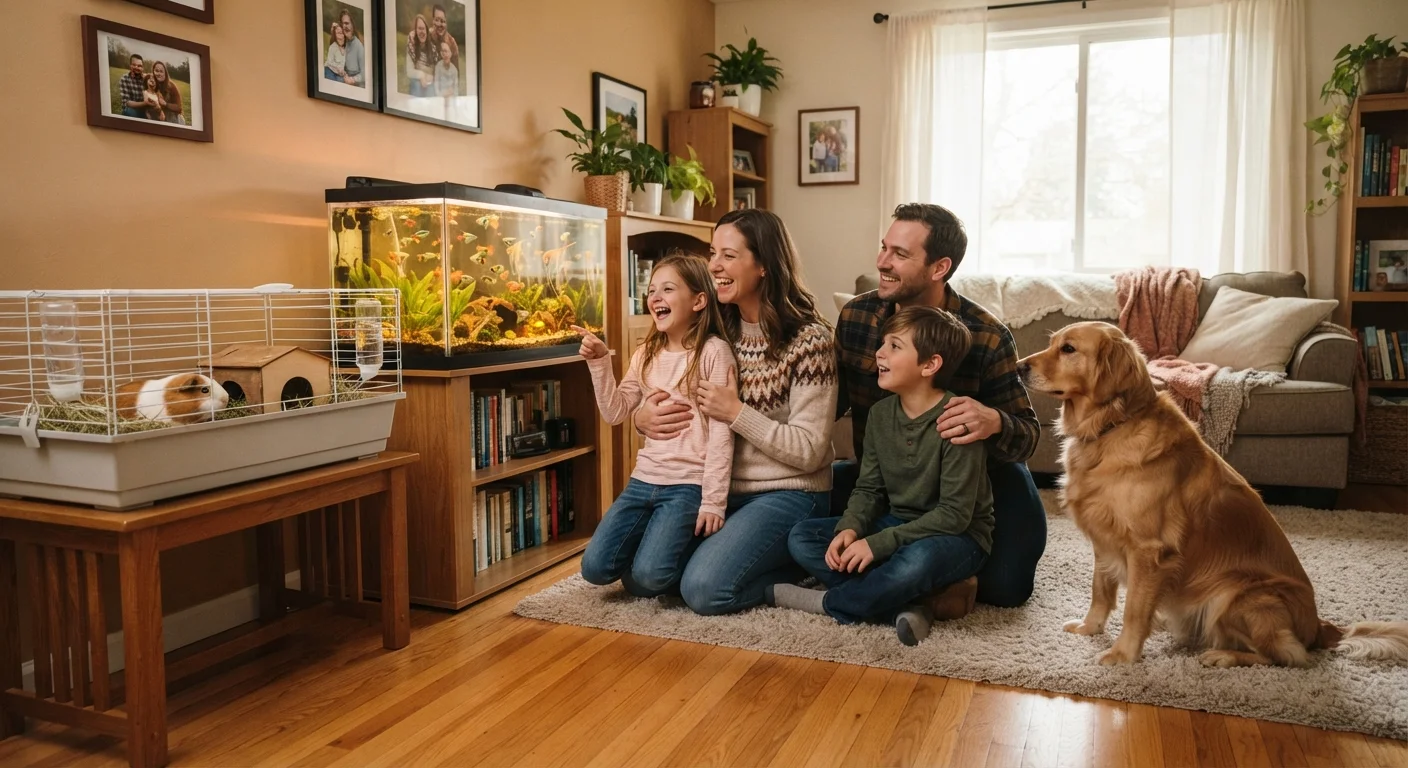
Identify where the pet will sleep, eat, and have dedicated time away from children.Must
Check your lease or HOA rules for restrictions on pet type, size, or breed.Must
Assess your yard or outdoor area for secure fencing if the pet will go outside unsupervised.Should
Plan a pet-safe zone where the animal can retreat if children become overwhelming.Should
Household health and allergies
Have every household member, including children, tested or evaluated for pet allergies before committing to adoption.Must
Confirm that no household member has a condition (asthma, compromised immunity) that the pet's dander, saliva, or habitat could worsen.Must
Research zoonotic risks (diseases that can pass between animals and people) for the species you are considering, and discuss them with your pediatrician.Should
Consider a short-term foster trial with the same species to test real-world allergy responses before a permanent adoption.Nice to have
Financial readiness
Calculate a realistic first-year cost estimate covering adoption or purchase fees, spay/neuter, vaccinations, supplies, and food.Must
Build a pet emergency fund of at least a few hundred dollars before the animal arrives, since unexpected vet visits happen.Must
Research pet insurance options and decide whether a policy makes financial sense for your household budget.Should
Account for ongoing costs: annual vet checks, parasite prevention, grooming, boarding or pet-sitting, and supplies replacement.Must
Child readiness
Assess whether each child understands basic animal handling rules: no rough play, no disturbing a sleeping or eating pet, and no chasing.Must
Confirm that children are at the developmental stage where they can follow household pet rules consistently, not just when reminded.Must
Discuss with children what happens if the pet is sick, injured, or eventually dies, so expectations are grounded from the start.Should
Practice calm, gentle interaction with animals before adoption, using a friend's or family member's pet if possible.Nice to have
Caretaking responsibilities
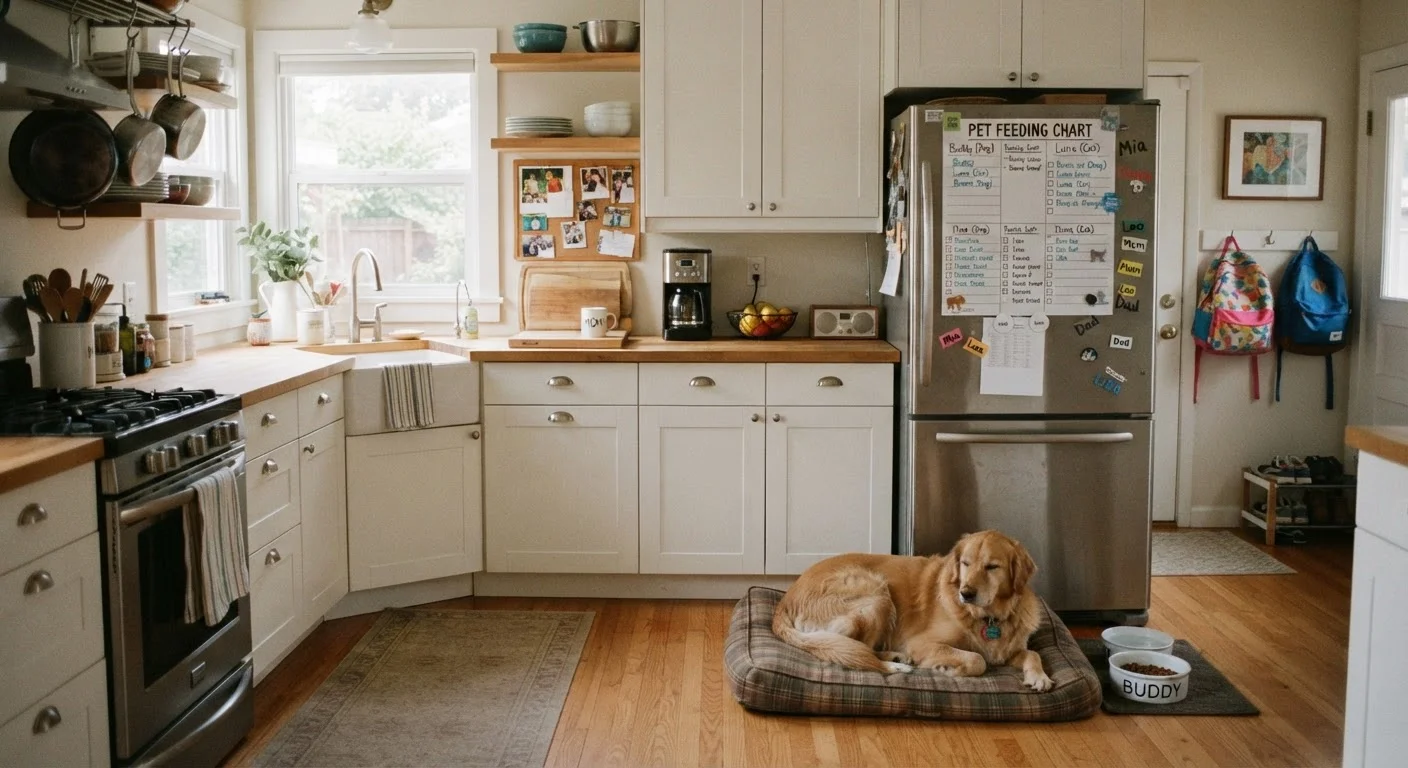
Assign specific daily tasks (feeding, water, litter, walks) to named adults, not to children alone, since adult oversight is always required.Must
Identify who is responsible for vet appointments, medication administration, and emergency decisions.Must
Make a concrete plan for pet care during vacations, work travel, or family illness.Must
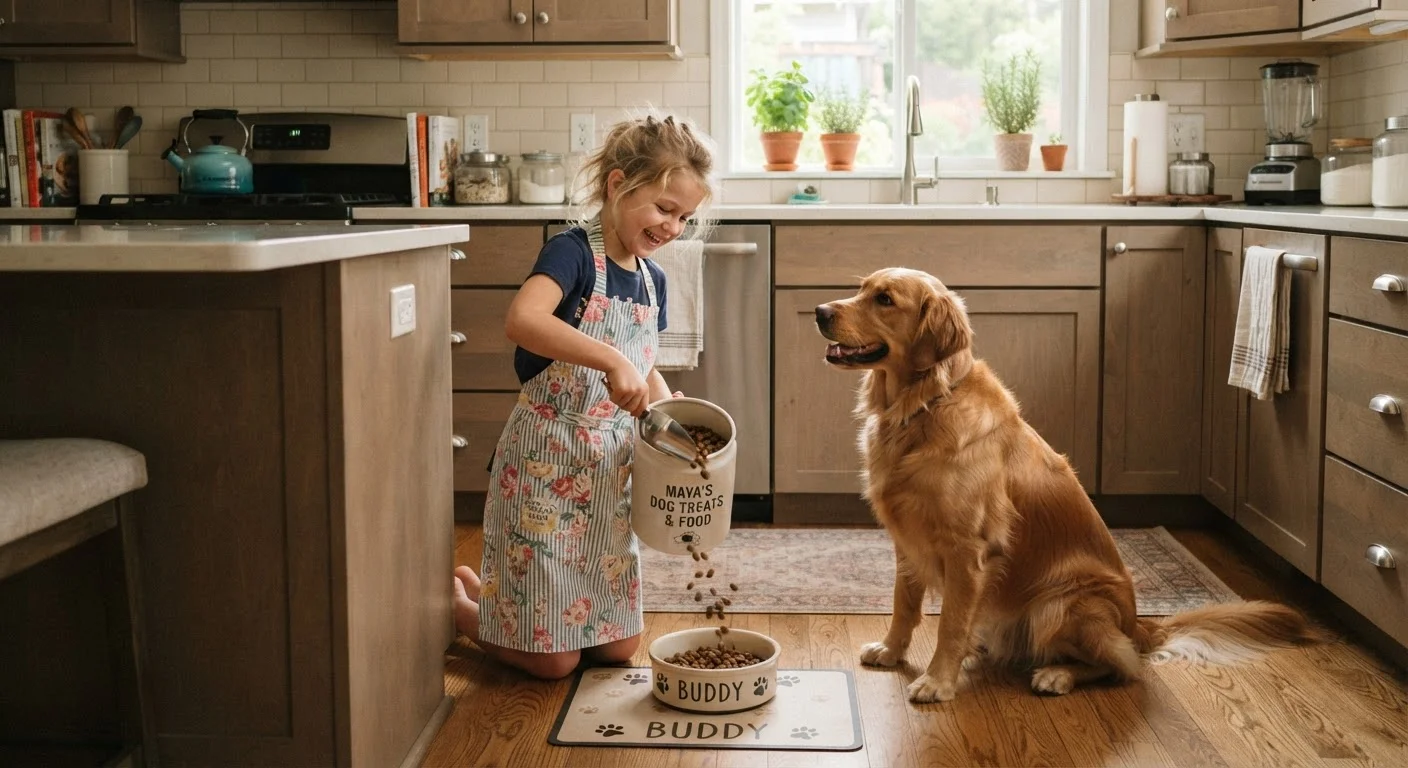
Give age-appropriate care tasks to children and write them down so expectations are clear to everyone.Should
Review the Pet Care Routines hub to understand what a sustainable weekly schedule actually looks like before you commit.Nice to have
What to gather before you start
You do not need special expertise to complete this checklist, but a few tools help you give accurate answers rather than optimistic guesses.
Required
Monthly budget spreadsheet
Calculate realistic ongoing pet costs so you are not caught off guard by routine expenses.
Required
Tape measure
Measure rooms, doorways, and yard space to confirm they meet the physical requirements of the pet you are considering.
Required
Pediatrician or allergist contact
Get a professional opinion on allergy and health risks before adoption, especially for children with asthma or eczema.
Required
Local HOA or lease agreement
Verify pet restrictions, breed bans, or deposit requirements that apply to your home.
Optional
Pet insurance comparison resource
Review coverage structures and annual premiums to decide whether insurance fits your financial situation.
Assigning a pet entirely to a child's responsibility, regardless of age, creates a real risk of inconsistent care. Children benefit from age-appropriate tasks, but an adult must hold ultimate accountability for the animal's welfare. If your household schedule cannot support adult-level daily attention, reconsider the timing of adoption.
Pets & Kids Editorial Team is the collective byline for our editorial team and contributor network. Articles published under this byline or an editorial pen name are researched, written, and reviewed according to our editorial standards for clarity, consistency, and independence before publication.
The content provided on our blog site traverses numerous categories, offering readers valuable and practical information. Readers can use the editorial team’s research and data to gain more insights into their topics of interest. However, they are requested not to treat the articles as conclusive. The website team cannot be held responsible for differences in data or inaccuracies found across other platforms. Please also note that the site might also miss out on various schemes and offers available that the readers may find more beneficial than the ones we cover.