What octane actually measures
Octane rating is a measure of a fuel's resistance to premature ignition, a condition called engine knock or detonation. When the air-fuel mixture in a cylinder ignites before the spark plug fires, the resulting pressure wave creates an audible knock and puts stress on pistons and bearings. Higher octane fuel resists that spontaneous ignition at higher compression pressures.
What octane does not measure is energy density, combustion cleanliness, or fuel additive quality. Premium fuel does not burn hotter or deliver more energy per gallon than regular. The difference is purely about when the fuel ignites under pressure. For most commuter engines, 87 octane provides exactly the knock resistance the engine needs, no more is required.
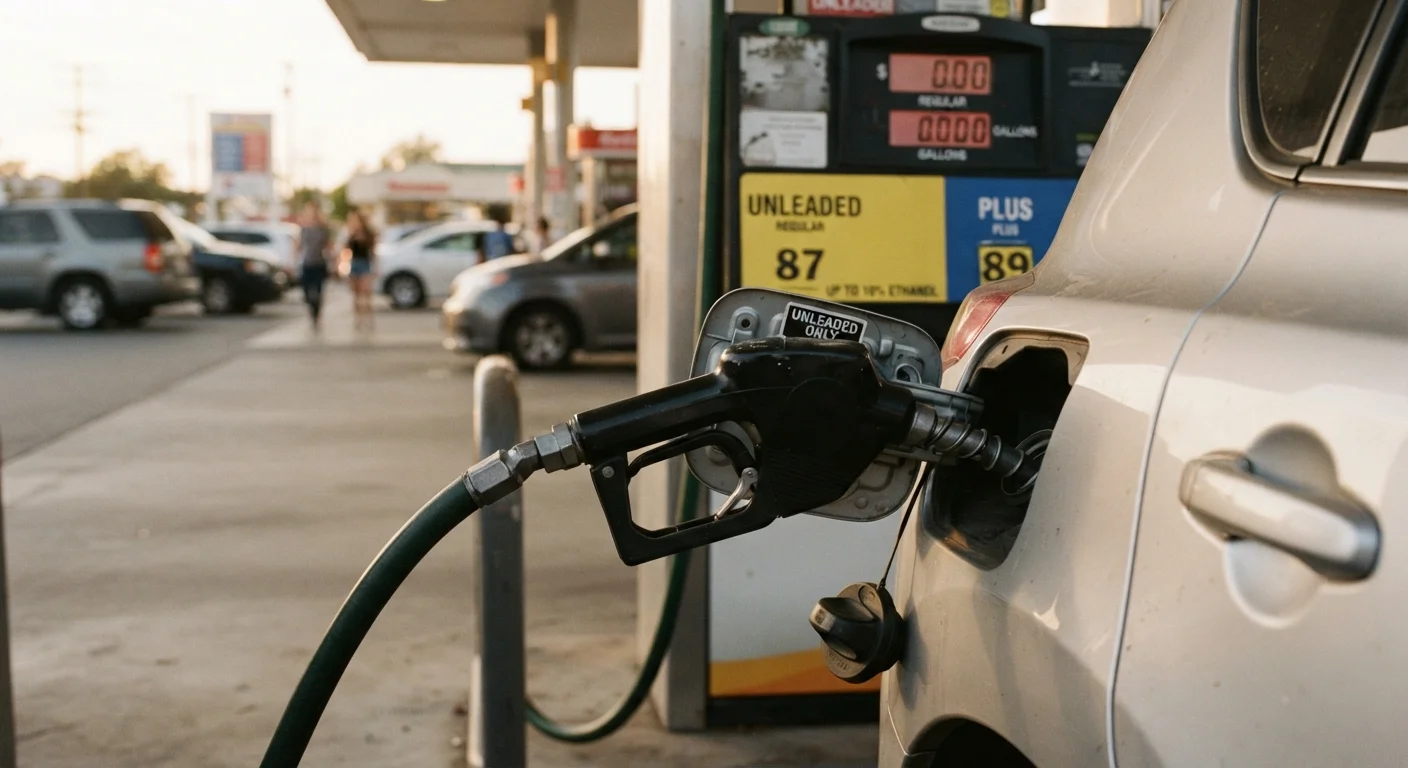
The three numbers you see on US pumps, typically 87, 89, and 91 or 93, correspond to AKI (Anti-Knock Index), which is an average of two laboratory test methods. European and some international ratings use a different scale (RON only), so the same fuel may carry a higher-looking number abroad. This matters if you travel or read specs from overseas vehicle guides.
When premium fuel makes a real difference
Two engine types genuinely benefit from premium fuel: high-compression naturally aspirated engines and turbocharged engines. Both generate higher cylinder pressures than a standard commuter engine, and both are calibrated by the manufacturer with premium octane in mind.
If your owner's manual says "premium required," the engine's ignition timing is set at the factory for 91+ octane. Running 87 in that engine forces the knock-sensor system to retard ignition timing to prevent detonation. The engine runs safely, but with less power and, in some cases, slightly worse fuel economy, which partially or fully erases the per-gallon savings. Over a long ownership period, chronic knock-sensor corrections may also contribute to wear, though modern knock-sensor systems are effective at protecting the engine in the short term.
"Premium recommended" is a softer designation. The engine is designed to run on regular but is optimized at the higher octane. For most suburban commuting, stop-and-go traffic, and highway cruising, the performance difference is negligible. If you frequently tow, drive at altitude, or push the engine hard, premium may deliver a noticeable improvement in those specific conditions.
| Criterion | Premium petrol (91+ octane) | Regular petrol (87 octane) |
|---|---|---|
| Octane (AKI) | 91 to 93 | 87 |
| Energy content per gallon | Essentially identical | Essentially identical |
| Typical price premium | 20 to 50 cents more per gallon | Base price |
| Required for high-compression/turbo engines | Yes | No |
| Benefit in regular-spec engines | None documented | Correct choice |
| Risk if used in wrong engine | No risk (overqualified) | Knock risk in required-premium engines |
| Detergent additive quality | Meets EPA minimums (same standard) | Meets EPA minimums (same standard) |
For a broader look at what affects your fuel costs beyond grade selection, see why your car burns more fuel than it should.
The cost math over a year of commuting
The price gap between regular and premium in the US typically runs between 20 and 50 cents per gallon, depending on the region and market conditions. For a vehicle with a 15-gallon tank that fills up once a week, a consistent 30-cent gap adds up to roughly $234 per year. That is money spent with no return if your engine runs on 87 octane.
$234+
Estimated annual overspend on unneeded premium
Based on a 30-cent per gallon price gap, 15-gallon tank, and one fill-up per week over 52 weeks.
87
Octane grade specified for most US passenger cars
The majority of vehicles sold in the US are designed and calibrated for 87 AKI regular unleaded fuel.
0%
Consistent MPG improvement in regular-spec engines on premium
EPA testing and independent assessments have found no reliable fuel economy gain when using premium in engines designed for regular.
For drivers whose engines genuinely require premium, that cost is non-negotiable. For everyone else, it represents straightforward waste. The calculation shifts only if you can demonstrate a measurable improvement in fuel economy that closes the price gap, and for most vehicles on regular roads that improvement does not materialize.
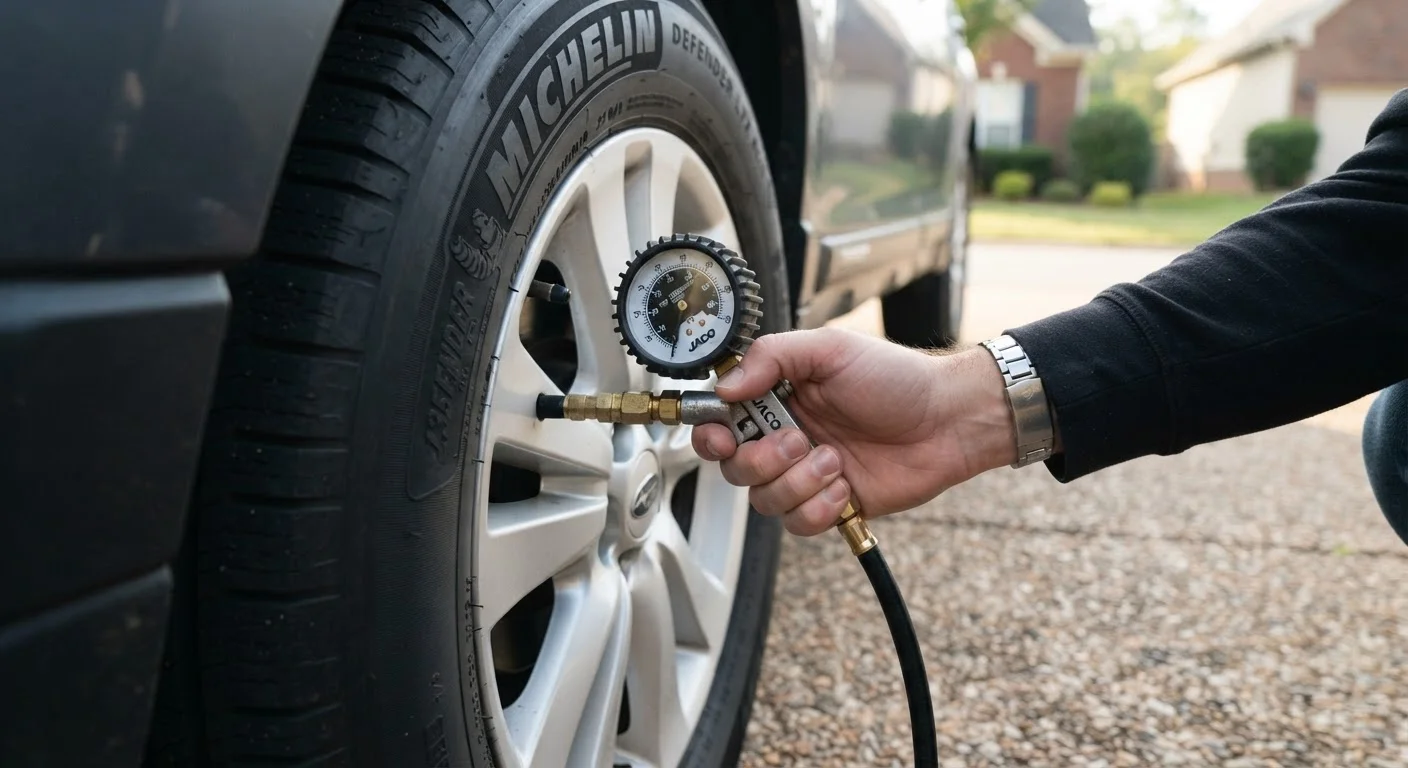
Other maintenance habits have a more reliable impact on fuel spending. Routine checks like tyre pressure and air filters tend to produce consistent, documented savings regardless of vehicle type. And if you want to stretch a tank further, driving technique has a direct and measurable effect on fuel use.
Common misconceptions
One persistent belief is that premium fuel is cleaner or contains better detergent additives. In practice, all US fuel grades sold at major stations must meet EPA detergency standards. Some brands add more additives than the minimum requirement regardless of grade. Paying for premium is not a way to clean your fuel system.
Another misconception is that switching to premium will improve fuel economy in a regular-spec engine. The EPA and multiple independent tests have found no consistent MPG gain for regular-spec engines running premium. The fuel-saving claims that do not hold up include this one. If you want to understand how official efficiency figures are calculated in the first place, the official MPG ratings explained is worth reading before drawing conclusions from pump-to-pump comparisons.
The single most reliable source for the correct fuel grade for your vehicle is the owner's manual. The fuel door label reiterates the same information. If your vehicle was designed for 87 octane, that is the grade to use.
This article provides general information about fuel grades and engine requirements. It is not a substitute for your vehicle manufacturer's guidance. Always consult your owner's manual and a qualified mechanic for advice specific to your vehicle.