What fuel efficiency actually means
Fuel efficiency describes how far a vehicle travels on a given amount of fuel. In the US, this is measured in MPG: miles per gallon. A car rated at 35 MPG travels 35 miles on one gallon of gasoline. A car rated at 18 MPG travels half as far on the same gallon.
The EPA tests every new vehicle and publishes city, highway, and combined MPG figures. These numbers appear on the window sticker of new cars and on the fueleconomy.gov website. They are useful for comparison, but real-world driving conditions, your habits, and your vehicle's condition all produce results that typically differ from the EPA estimate.
Fuel cost is essentially a function of how many miles you drive divided by your MPG, multiplied by the price per gallon. Improving your MPG by even a few points reduces what you spend per mile, and those savings compound over thousands of miles of commuting each year.
MPG (miles per gallon)
The number of miles a vehicle travels on one gallon of fuel. Higher MPG means the vehicle is more fuel-efficient.
EPA fuel economy estimate
The official fuel economy rating published by the US Environmental Protection Agency, measured under standardized lab conditions. Real-world results typically differ.
Rolling resistance
The friction between a tyre and the road surface that the engine must overcome to keep the vehicle moving. Under-inflated tyres increase rolling resistance.
Regenerative braking
A feature in hybrid and electric vehicles that converts braking energy into electricity stored in a battery, rather than losing it as heat.
Aerodynamic drag
The air resistance a vehicle encounters as it moves. It increases at higher speeds and forces the engine to burn more fuel to maintain velocity.
Engine displacement
The total volume of all cylinders in an engine, measured in liters. It is a rough indicator of engine size and, generally, fuel appetite.
How your vehicle's design affects consumption
Several built-in factors determine how efficiently your car can move. Engine displacement (measured in liters) is one: a larger engine generally burns more fuel at idle and under load than a smaller one. Transmission type matters too. Modern automatic transmissions with more gear ratios keep the engine closer to its most efficient operating range, compared to older four-speed units.
Vehicle weight and aerodynamic drag are significant. Heavier vehicles require more energy to accelerate, and boxy shapes create more wind resistance at speed, forcing the engine to work harder. This is one reason SUVs and trucks typically post lower MPG figures than sedans of similar engine size.
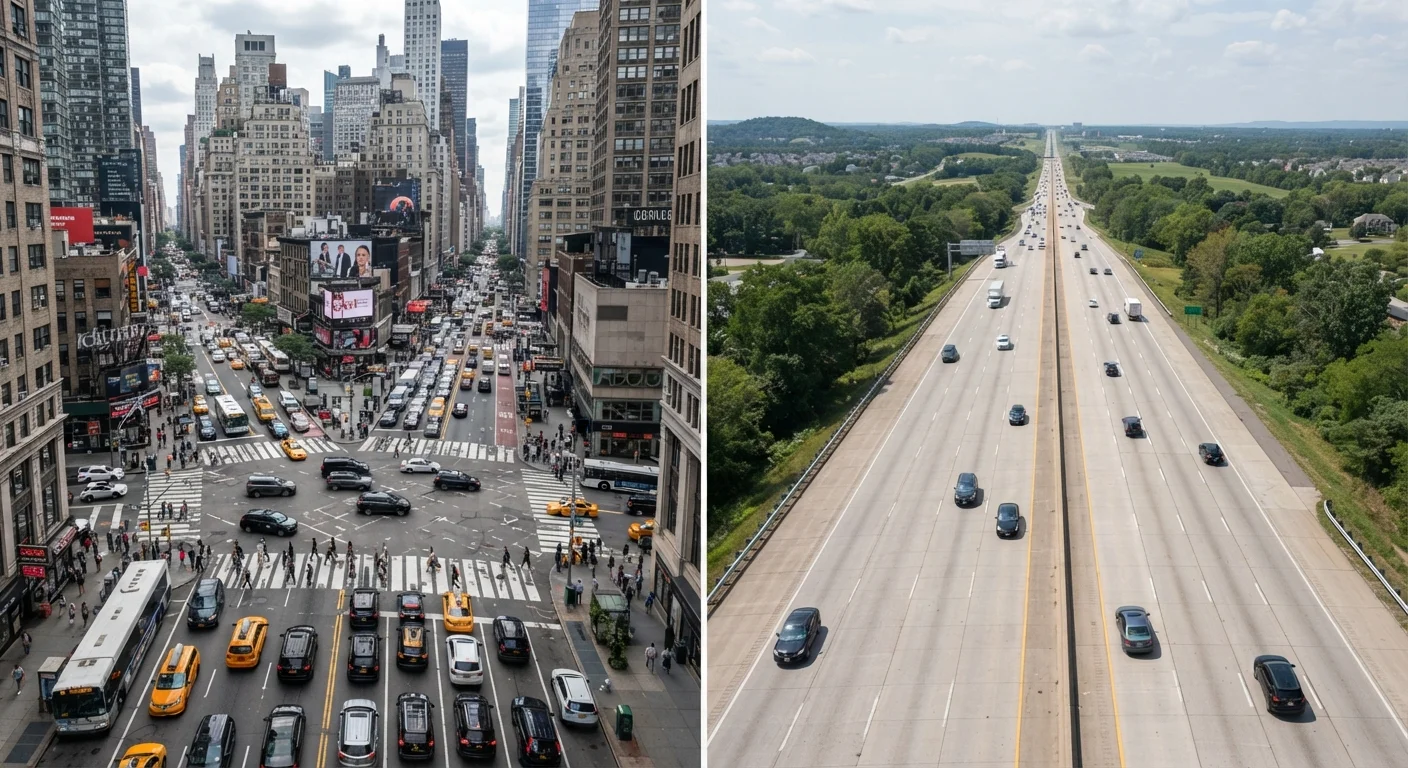
Hybrid systems recover energy during braking (a process called regenerative braking) and store it in a battery to assist the engine. This is why hybrids show a much larger gap between city and highway MPG than conventional vehicles: stop-and-go city driving is where regenerative braking provides the most return. For more on how city and highway driving differ mechanically, see this breakdown of where your fuel really goes.
Driving habits that move the needle
How you operate your vehicle has a larger effect on fuel consumption than most people realize. Aggressive acceleration forces the engine to burn fuel at its least efficient rate. Braking hard wastes the kinetic energy the engine just produced. Both habits together can reduce real-world fuel economy substantially compared to smooth, consistent driving.
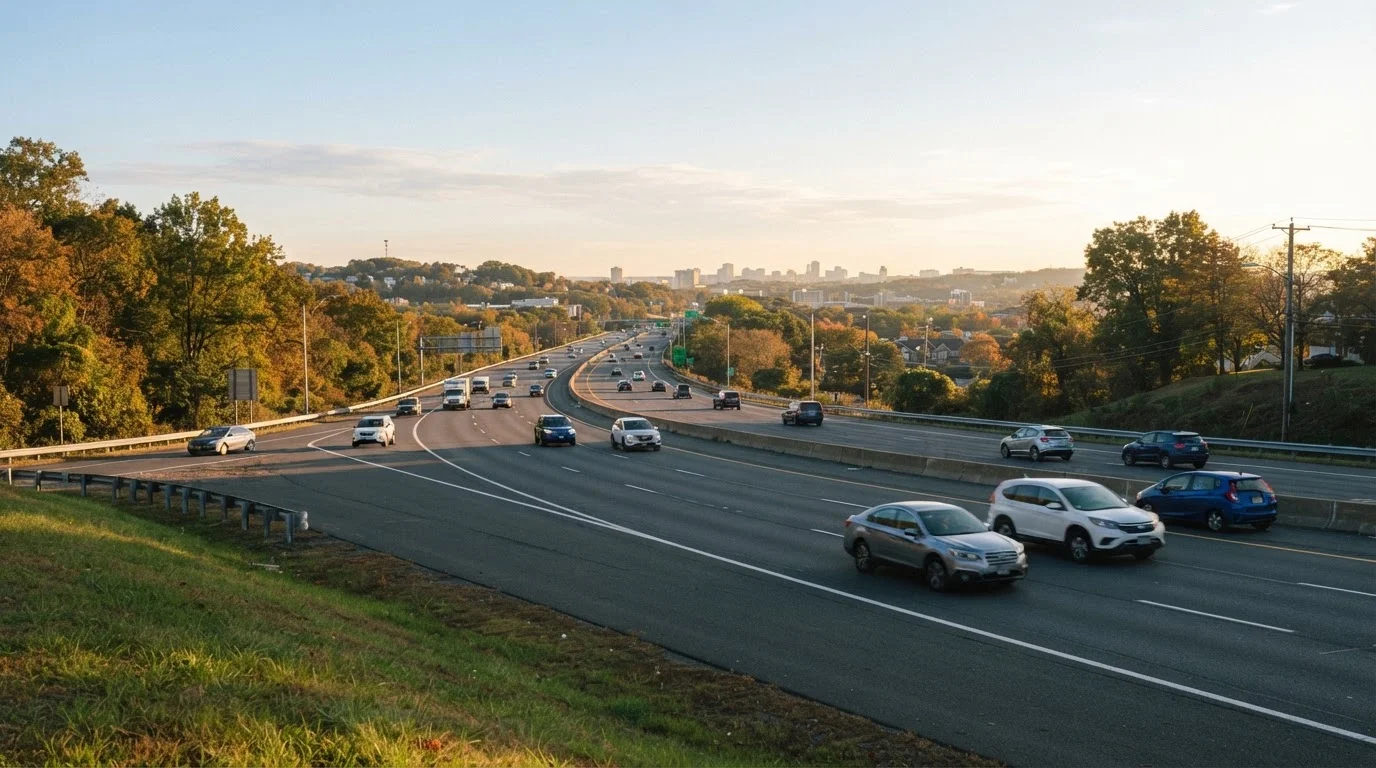
Speed matters significantly at highway speeds. Aerodynamic drag increases with the square of velocity: driving at 75 mph requires considerably more fuel per mile than driving at 60 mph. The specific difference varies by vehicle shape and weight.
Idling burns fuel at zero miles per gallon. Warming up a modern fuel-injected engine for more than 30 to 60 seconds in most conditions is unnecessary and wastes fuel. If you will be stopped for more than a minute or two, shutting off the engine saves more fuel than the restart consumes.
For a detailed look at the mechanics behind smooth driving, see our guide on smooth acceleration and fuel use.
Use cruise control on the highway
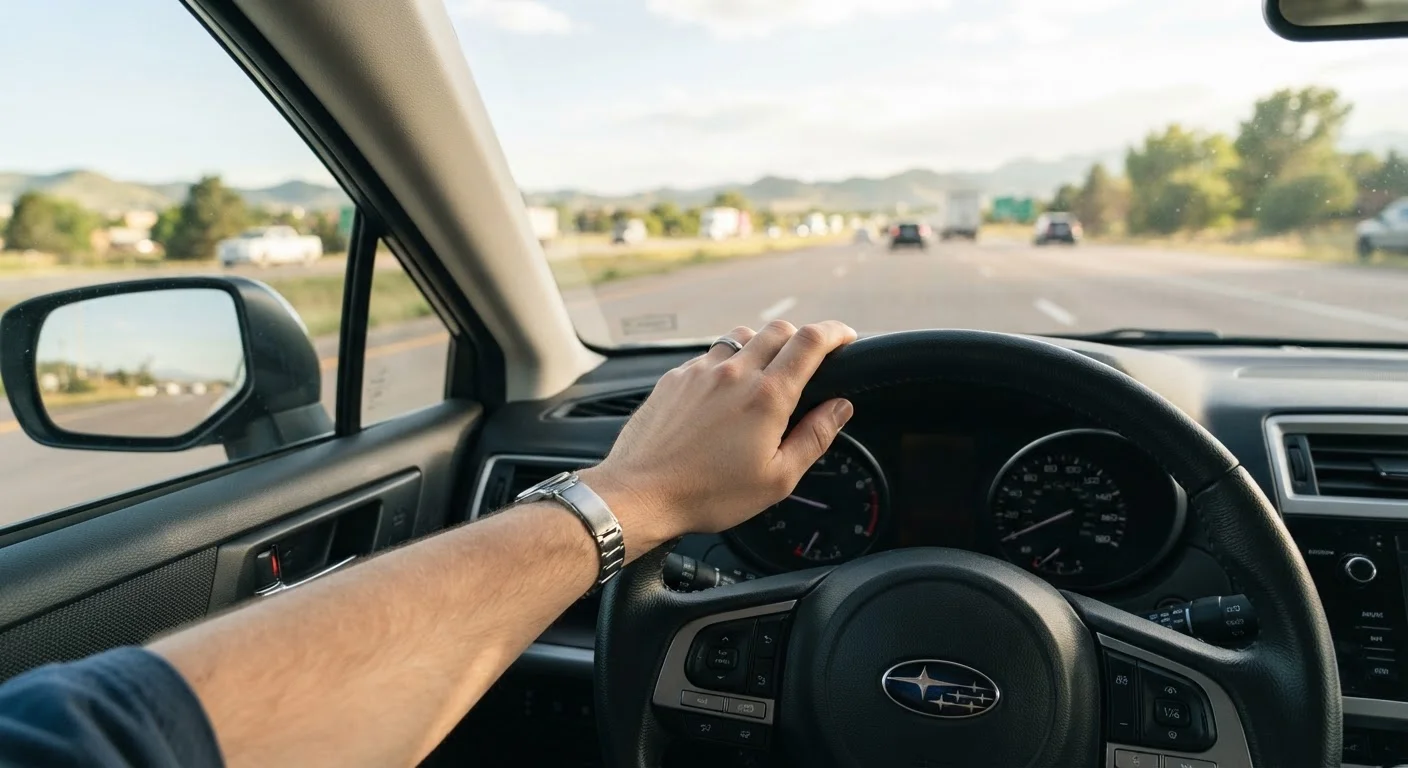
Maintaining a steady speed with cruise control typically uses less fuel than the small accelerations and decelerations that happen with manual throttle control on a long highway stretch. It also removes the temptation to drift above your target speed. This benefit is most noticeable on flat terrain; on hilly roads, adaptive cruise systems that anticipate grades work better than basic fixed-speed versions.
Routine checks that protect your fuel budget
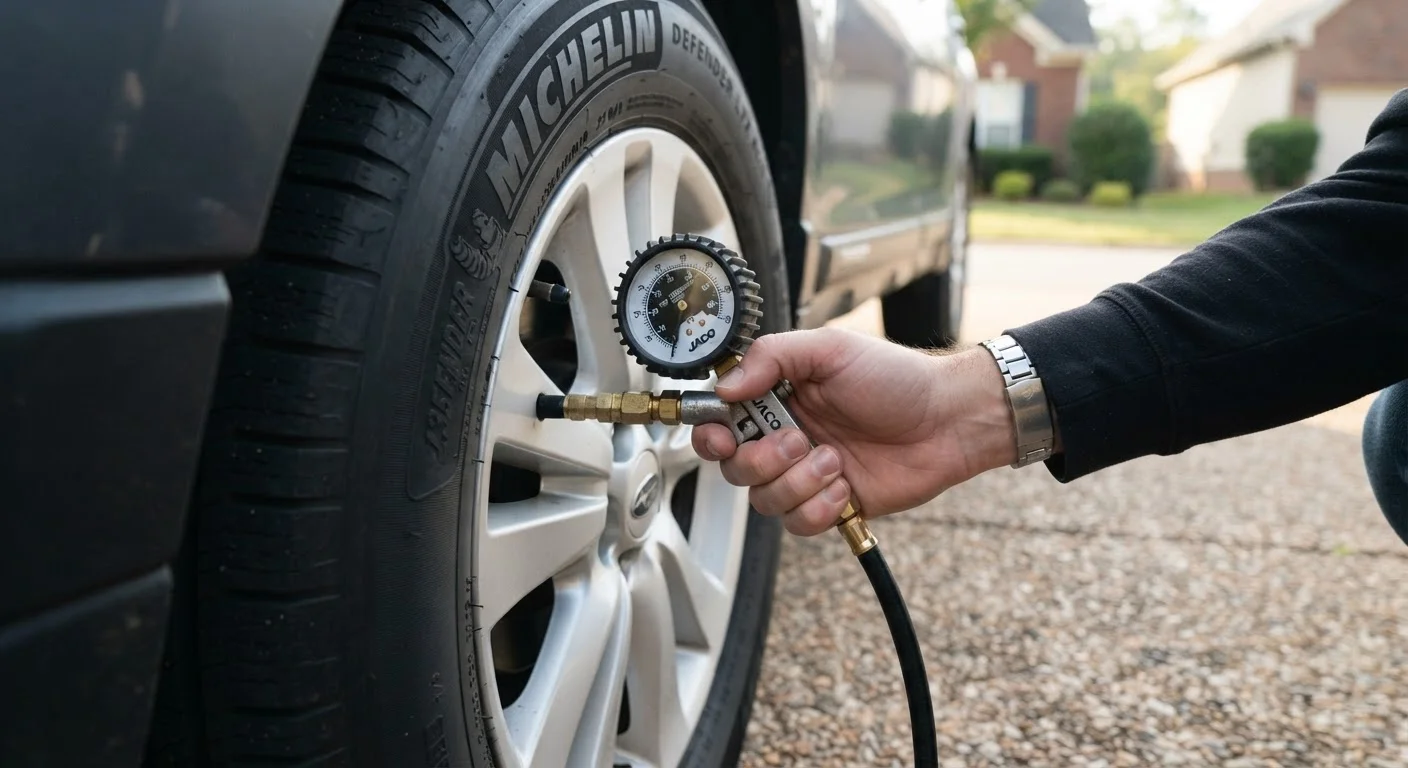
Vehicle condition directly affects how hard the engine works. Under-inflated tyres increase rolling resistance: the EPA notes that tyre pressure below the recommended level can reduce fuel economy measurably. Check the recommended PSI on the sticker inside your driver's door, not the maximum pressure printed on the tyre sidewall.
A clogged air filter restricts airflow into the engine. Modern fuel-injected engines compensate electronically, but an extremely dirty filter still affects performance and can increase fuel consumption. Check your owner's manual for the recommended replacement interval.
Dirty or degraded engine oil increases internal friction. Using the oil viscosity grade specified in your owner's manual, and changing it at the recommended interval, keeps friction losses low. Spark plugs that are worn or fouled cause incomplete combustion, meaning the engine extracts less energy from each unit of fuel it burns.
For a full checklist of maintenance items with the most impact on fuel economy, see tyre pressure, air filters, and other small checks. These are also covered in the broader car maintenance hub.
How to track your real-world fuel economy
Tracking your own MPG gives you a concrete baseline so you can tell whether a change in habits or maintenance actually made a difference. The manual method: fill the tank to the same level each time, note the odometer reading, and record how many gallons you added at the next fill-up. Divide miles driven by gallons used. Repeat this over three or four fill-ups before drawing conclusions, since a single calculation can be skewed by variations in how full the tank is.
Many modern vehicles display a real-time or average fuel economy readout on the dashboard. These are useful for immediate feedback on driving style, though they can differ slightly from manual calculations. Treat them as a relative guide rather than an exact figure.
Once you have a baseline, you can measure the effect of changes: adjusting highway speed, fixing a maintenance issue, or modifying how you accelerate in city traffic. If your real-world number is consistently well below the EPA estimate, this article on why cars burn more fuel than they should covers the most common causes worth investigating.
Separating genuine improvements from wishful thinking also means avoiding products and techniques that promise dramatic gains without credible evidence. See fuel-saving claims that do not hold up for a grounded look at what the evidence actually shows.