
Why price is the wrong starting point
Most household shoppers instinctively sort by price, and that habit makes a certain kind of sense: budgets are real constraints. The problem is that price tells you what something costs at the moment of purchase, not what it costs to own. Those two figures are often far apart.
A $15 mop that needs replacing every four months costs $45 a year. A $40 mop that lasts three years costs roughly $13 a year. The expensive option is cheaper. That arithmetic holds across dozens of product categories, from storage containers to kitchen tools to cleaning equipment. Understanding this is the foundation of any useful value assessment.
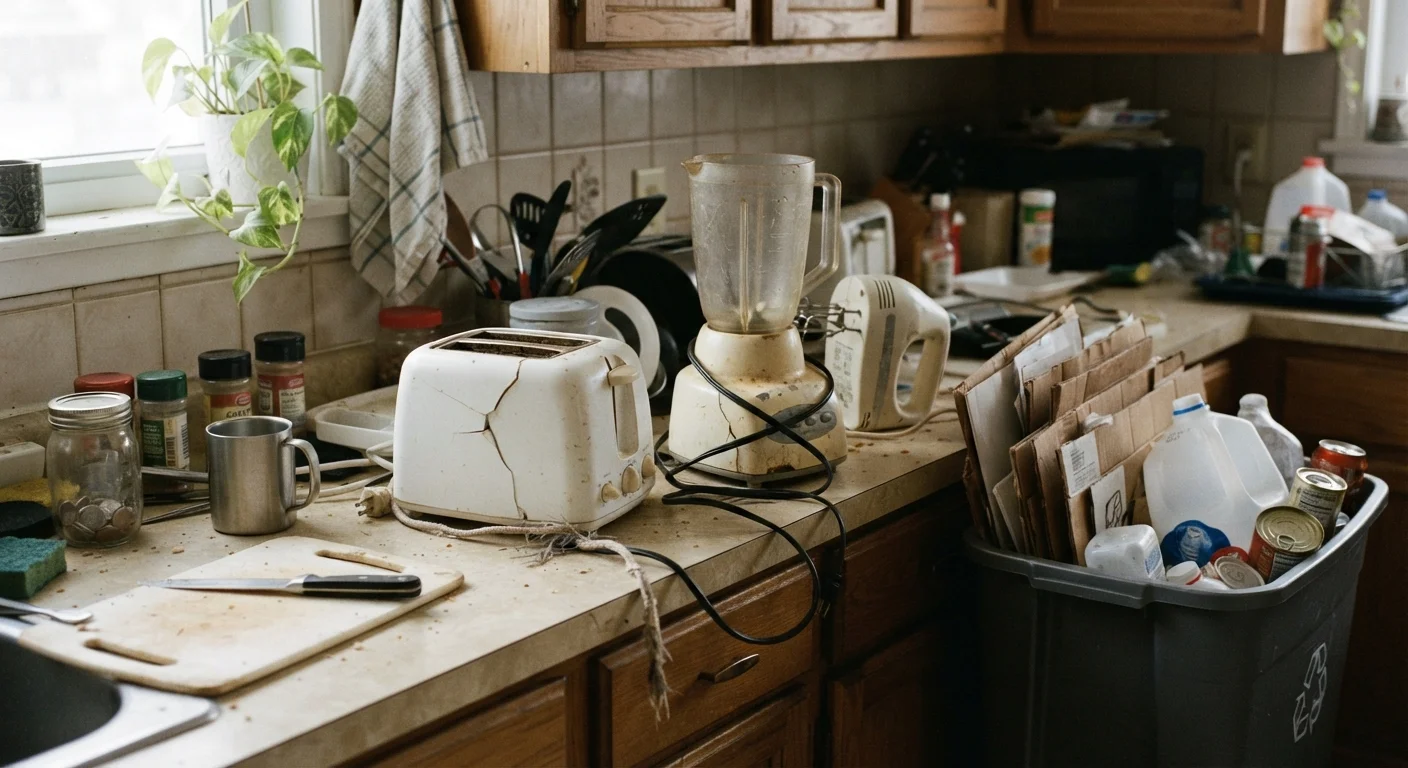
Low-price household gadgets can carry hidden costs beyond replacement cycles, including energy use and repair frequency. Price is a starting point for budgeting, but it should not be the deciding factor.
The components of real value
Value for money in home products has four practical dimensions worth examining before any purchase.
Lifespan and durability. How long is the product expected to last under your household's actual usage? A product rated for light use will degrade faster in a home with children and pets. Manufacturer warranties are one signal, though not the only one.
Fit for purpose. A product that does not suit your specific situation adds no value regardless of price. A high-capacity appliance bought for a two-person household wastes energy and counter space. Always evaluate against your actual needs, not an idealised scenario.
Running costs. Energy consumption, consumable parts (filters, cartridges, pads), and maintenance all add to what you pay over time. These costs are easy to overlook at the point of purchase and easy to model with a little arithmetic before you buy.
Time and effort. For families balancing work, childcare, and household management, a product that reduces recurring effort has genuine value. This is not always easy to quantify, but it is worth estimating honestly.
3x
Longer lifespan of well-built vs. budget household tools
Consumer durability research consistently finds that mid-to-upper tier household tools last two to three times longer than budget equivalents under comparable use conditions.
30%
Of bulk purchases that go partially or fully unused
Household consumption studies suggest roughly a third of bulk-bought non-perishable products are never fully used, reducing the actual savings from volume pricing.
Common value traps in household shopping
Several patterns lead families to pay more than they should, or to buy products that underdeliver.
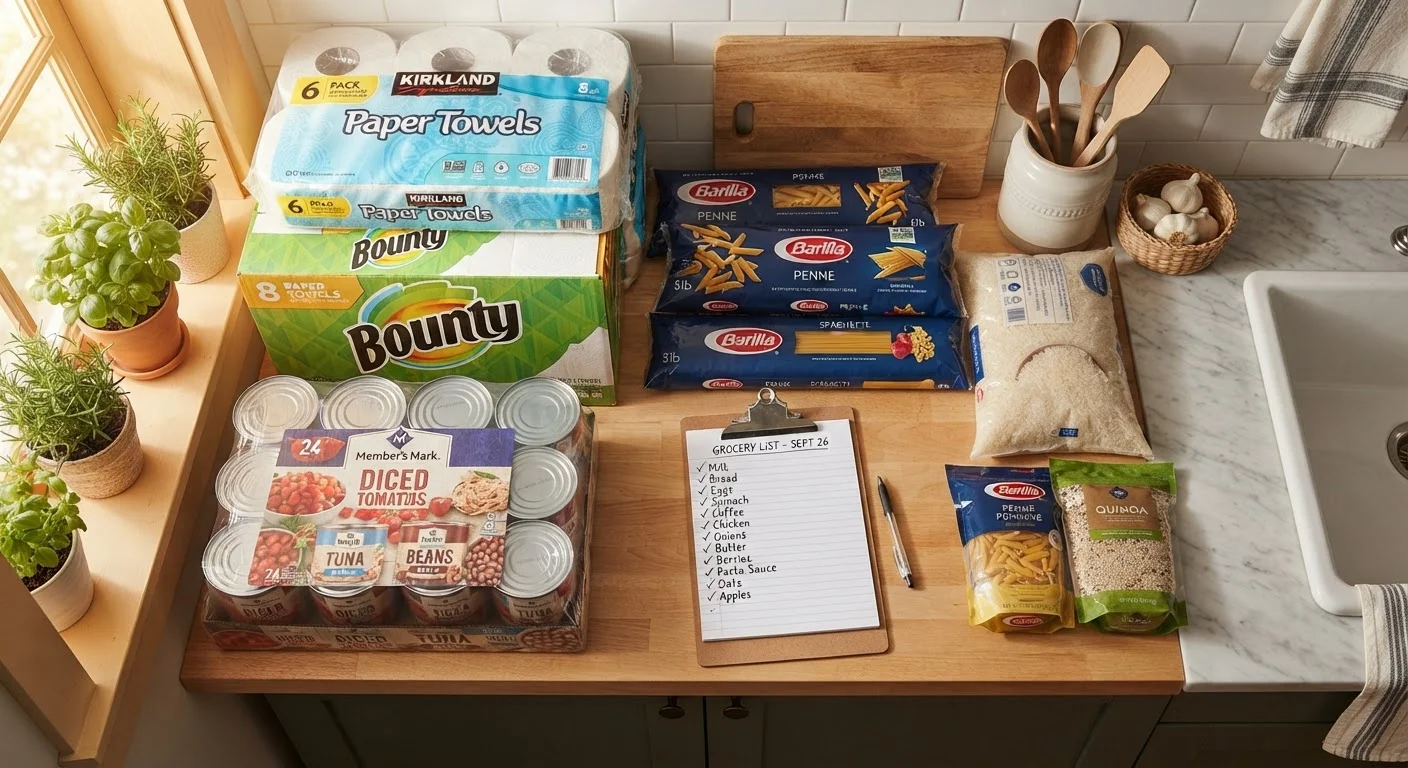
Bulk purchasing is one. Buying in volume can cut unit costs, but only when the product gets used before it expires, spoils, or takes up storage space you do not have. The trade-offs in bulk buying are real and worth calculating before you load a cart.
Feature inflation is another. Products with more functions are not necessarily better for your household. A multi-function device that performs one task well and several tasks poorly is worse value than a single-purpose tool that does its job reliably every time.
Sale pricing is a third trap. A 40% discount on something you would not have bought at full price is not a saving: it is a purchase. Common deal-hunting myths illustrate how promotional framing routinely leads shoppers away from genuine value.
Run the numbers before you buy
For any home product over $30, spend two minutes estimating annual running costs and expected lifespan. Divide total cost by years of use and compare that figure across your options. This single step catches most value traps before they cost you money.
Putting it into practice
A straightforward approach is to write down three numbers before any non-trivial home purchase: the upfront cost, the estimated annual running cost, and the expected lifespan. Dividing the total by years of use gives a cost-per-year figure that makes comparisons honest.
For larger purchases, check whether the product can be repaired and whether parts are available. A well-built item that can be serviced often outlasts a cheaper replacement-only alternative by years.
Building this kind of deliberate habit across household shopping adds up. The structure of a smarter shopping routine can help families apply consistent criteria rather than deciding case by case under time pressure. For seasonal updates, knowing which home changes hold their value and which rarely do is equally useful. See what to prioritise in a seasonal home refresh for a practical breakdown.
Value is not a fixed property of a product. It depends on who is using it, how often, and for how long. A clear-eyed answer to those questions almost always leads to a better decision than price alone.