The gap between price and cost
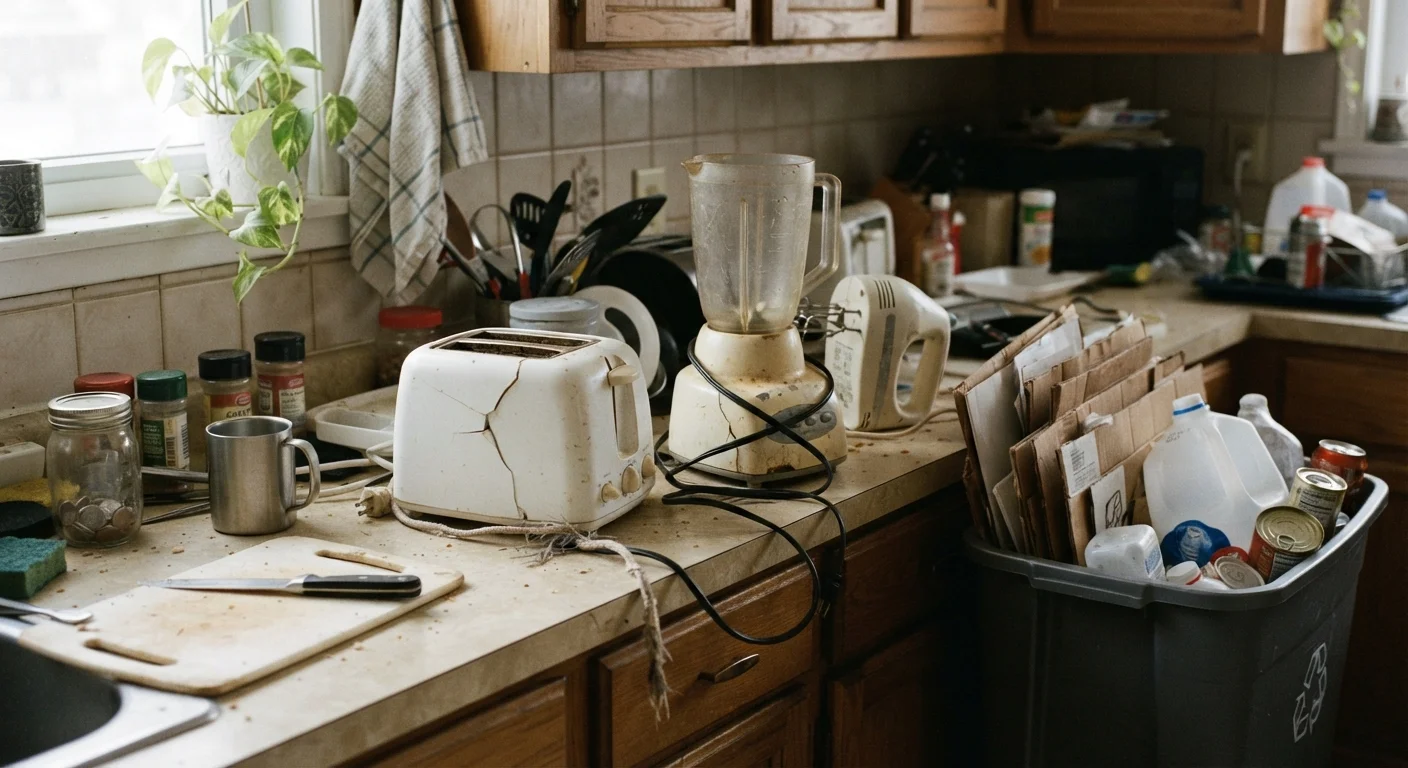
A $19 hand blender looks like a straightforward saving over a $60 alternative. The arithmetic changes if the $19 model fails at month 14, the $60 model carries a three-year warranty, and the blender runs every morning. Over three years, the cheap option may cost $38 or more in replacements, plus the energy draw of a less efficient motor. The sticker price and the actual cost of ownership are rarely the same number.
This pattern repeats across product categories: air purifiers with proprietary filters priced at $30 per replacement, robot vacuums with batteries that degrade by year two and cost $50 to swap, electric kettles with heating elements that corrode quickly in hard-water areas. None of those costs appear at checkout. What value for money actually means in a home context goes well beyond the listed price.
Common mistakes that inflate the real price
The errors below are not about careless shopping. They follow logically from how products are presented and how purchase decisions get made under time pressure. Recognizing them is the first step to avoiding them.
Comparing only sticker prices without estimating total cost of ownership.
Why it happens: The purchase price is the only figure shown at checkout, so it naturally anchors the comparison. Running costs, consumables, and replacement likelihood stay invisible until after the buy.
Ignoring energy consumption on appliances used every day.
Why it happens: Wattage figures appear in fine print, and the dollar impact of a 200-watt difference feels abstract at the shelf. Most households do not track appliance-level electricity costs.
Treating a short or limited warranty as a minor inconvenience rather than a product signal.
Why it happens: Shoppers focus on features and price; warranty length appears in a small section of the product listing and is easy to skip. A 90-day warranty feels like legalese rather than a product forecast.
Assuming all gadgets in a category perform similarly regardless of price.
Why it happens: Marketing language for budget products often mirrors premium product descriptions, making differentiation harder. Without hands-on testing, performance gaps only become clear after purchase.
Buying a second cheap unit to replace a failed one instead of reassessing the category.
Why it happens: Familiarity with the original product and the low upfront cost make a like-for-like replacement feel safe and cheap. The cumulative spend is not mentally tallied.
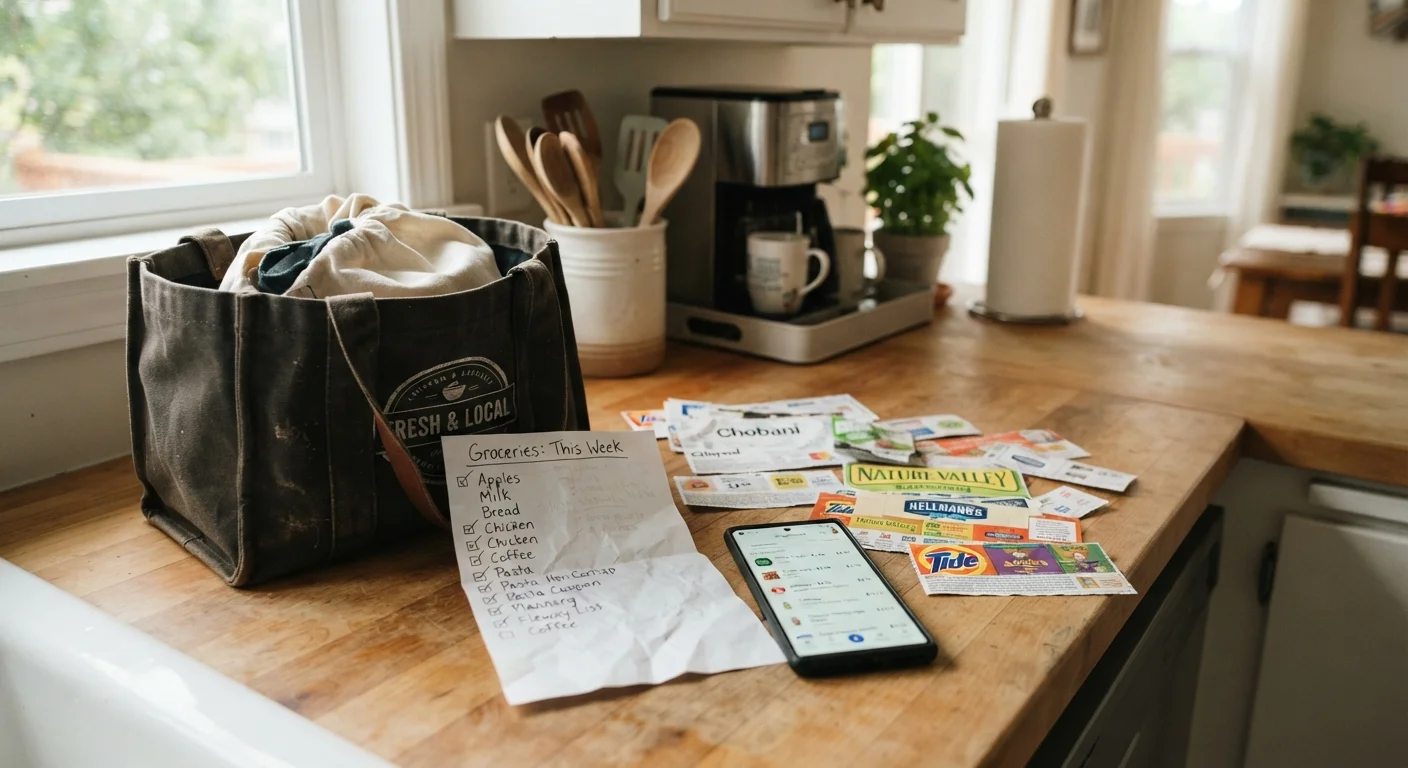
For families working through a broader shopping strategy, building a smarter household shopping routine covers how to reduce impulse purchases and keep total household costs predictable over time.
What to check before you buy
Replacement cycles are rarely free
When a low-cost gadget fails after 12 to 18 months, the full cost includes the original price, disposal, and the replacement purchase. Repeat that cycle twice and you have typically spent more than a mid-range product with a five-year lifespan would have cost. Factor in your time for researching, ordering, and setting up a replacement, and the gap widens further.
Three questions cut through most of the noise when evaluating a household gadget:
- What is the warranty period, and does the manufacturer stock parts beyond it?
- What recurring costs, such as filters, bags, or cartridges, come with normal use?
- For daily-use appliances, what is the wattage, and how does it compare to alternatives?
Answering these before purchase will not always point to the more expensive product. Sometimes a budget model scores well on all three. The point is to make the comparison with complete information rather than price alone.
Deal-hunting myths that cost shoppers money covers related traps, including why a lower shelf price does not always signal better value. For households that also buy in volume, the trade-offs of buying in bulk are worth understanding alongside product lifespan calculations.