Why a routine matters more than willpower
Most household overspending is not caused by careless attitudes toward money. It comes from an absence of structure around when, why, and how purchases happen. Without a routine, shopping defaults to need-driven urgency: a near-empty shampoo bottle on a Tuesday, an empty fridge on a Thursday night. Those last-minute trips produce higher per-item costs and more items in the cart that were never on the list.
A structured shopping routine does not require rigid discipline. It requires a few repeatable decisions made once, then followed consistently. Over time, that consistency is what flattens spending spikes and makes monthly household costs predictable. For families juggling school schedules and work, predictability is its own form of savings.
See the related guide on why household budgets slip quietly for a closer look at the habits that undo otherwise careful planning.
Core practices for a smarter shopping routine
The practices below address the most common structural gaps in household shopping. Each one is self-contained, but they compound when used together.
Maintain a single, shared household list updated throughout the week
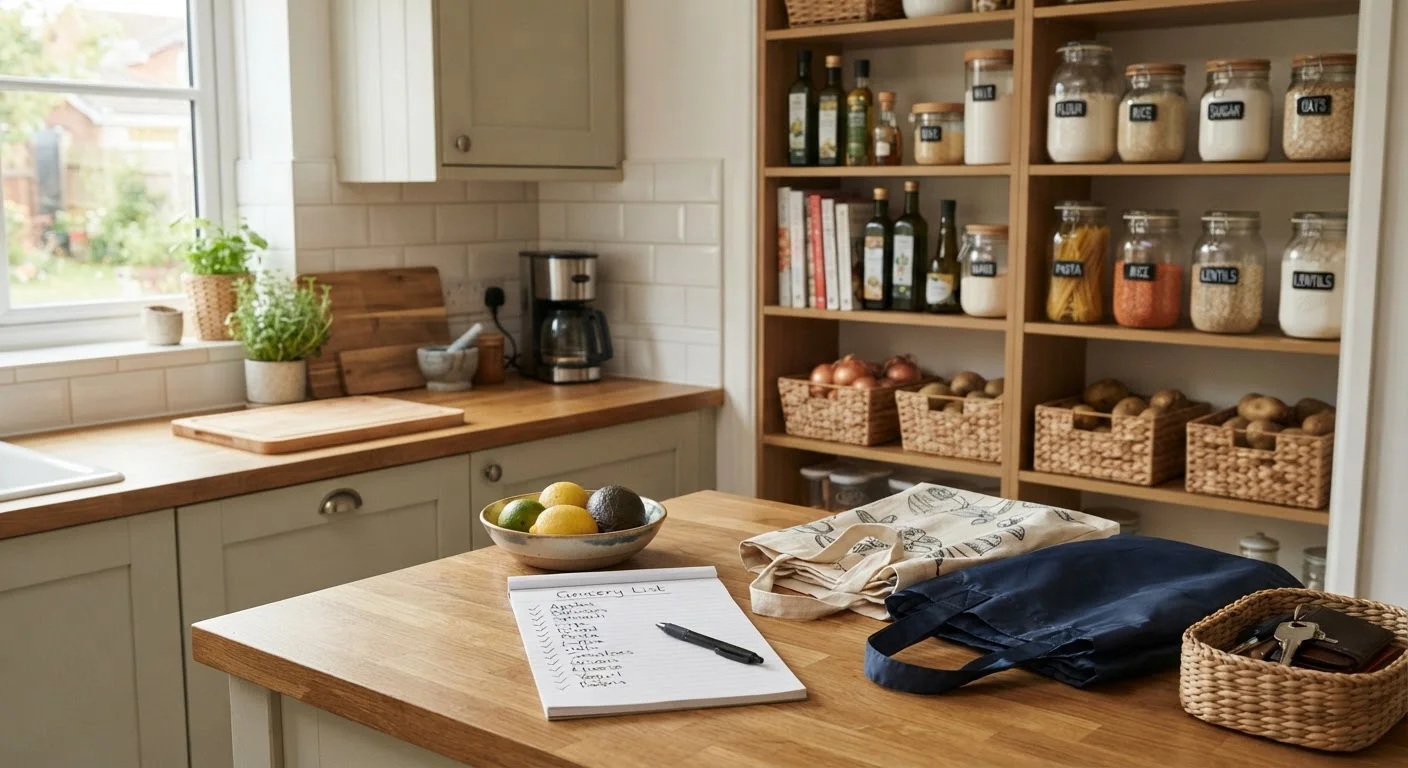
A running list captures needs as they arise rather than relying on memory at the store. It prevents both forgetting essentials and grabbing items impulsively because you cannot recall what you already have at home.
Designate fixed shopping days and stick to them
Scheduled trips replace reactive ones. Every unplanned store visit carries a risk of unplanned spending, and consolidating purchases into one or two weekly trips reduces that exposure significantly.
Audit the pantry and refrigerator before writing the list
Without a physical check, it is easy to buy items already in stock or miss ingredients needed to complete a meal plan. A two-minute visual scan before writing the list cuts duplicate purchases and supports meal planning accuracy.
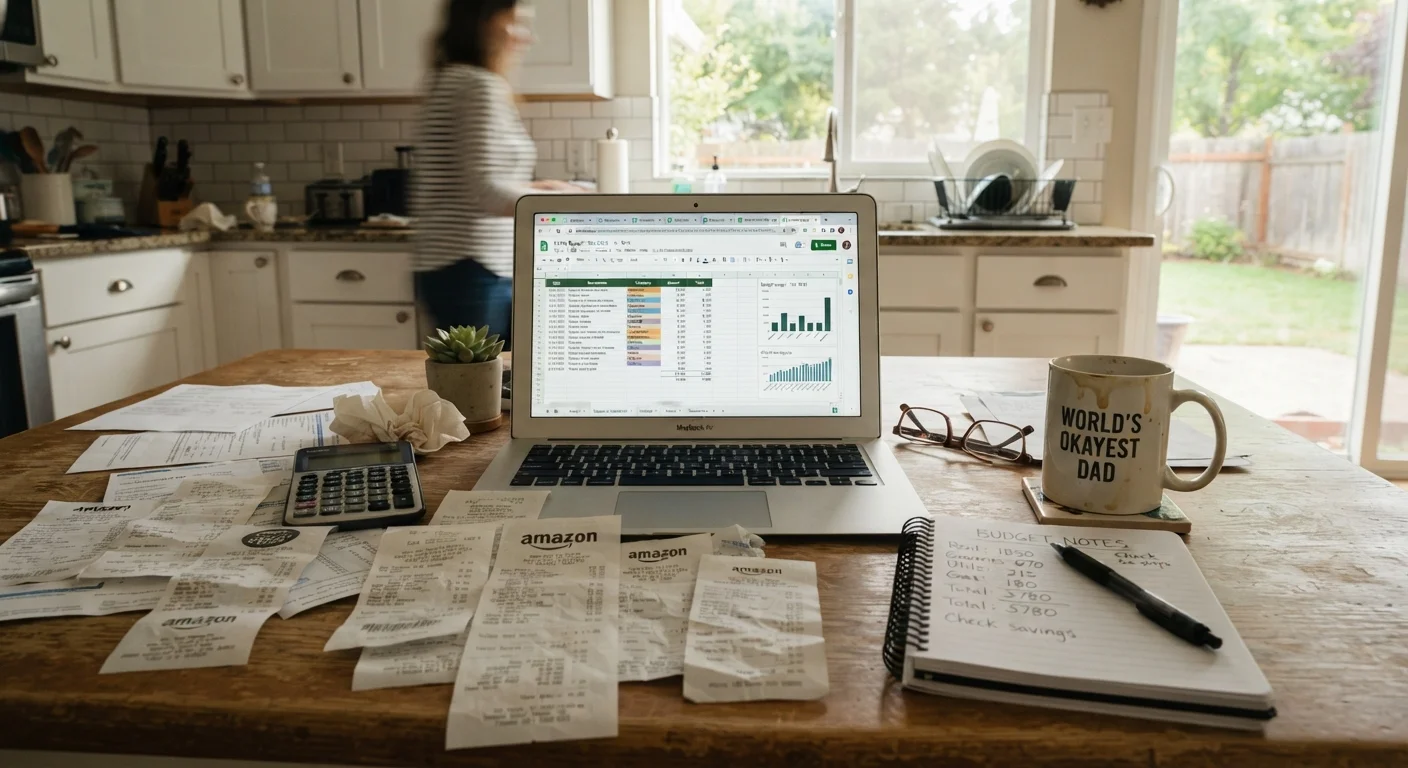
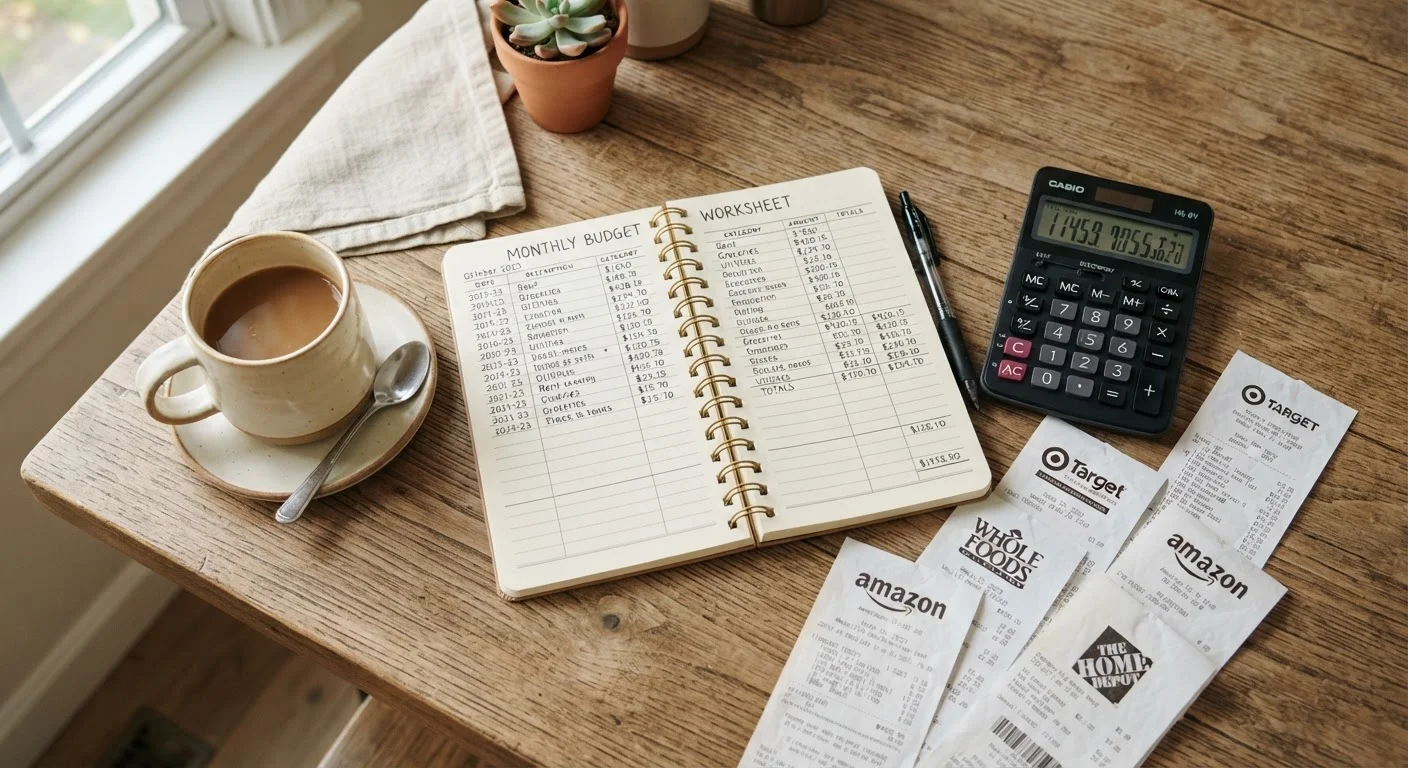
Review receipts monthly to identify category patterns
Individual purchases feel small in the moment but aggregate into patterns that only become visible in review. A monthly receipt check, even a quick one, reveals which categories are running over expectations and why.
Set a per-trip spending ceiling before entering the store
A ceiling is not a rigid cap but a decision-making anchor. Having a number in mind reduces the tendency to rationalize extra items at checkout. It also makes the trip faster because decisions are pre-framed.
For families working on broader financial structure, building a monthly family budget from the ground up provides a compatible framework for setting spending categories that feed directly into a shopping plan.
Quick actions you can take this week
Routine-building works best when it starts with small, concrete changes rather than a full system overhaul. The actions below require no new tools and less than an hour to set up.
If you want to extend these habits into smarter online purchasing, deal alerts and price trackers can automate parts of the routine without adding screen time.
Common mistakes that undermine good intentions
Even families with solid intentions run into a few predictable traps. Shopping on an empty stomach is widely cited in behavioral research as a factor that increases unplanned food purchases. Shopping without a list on a "quick trip" almost always produces more items than expected. And buying in bulk without checking storage space or expiration dates can turn apparent savings into waste. The guide on the honest trade-offs of bulk buying covers this in detail.
Disorganization at home also drives unnecessary purchases. When a pantry is hard to read at a glance, families buy duplicates without realizing it. The hidden cost of clutter connects this directly to household spending patterns. A clear pantry audit before each shopping trip takes under five minutes and consistently prevents double purchases.
Timing also affects value. Certain product categories see genuine price variation by season, and buying outside those windows costs more for no reason. The seasonal spending calendar is a useful reference for planning larger purchases around natural price cycles.