How the wrong choice happens
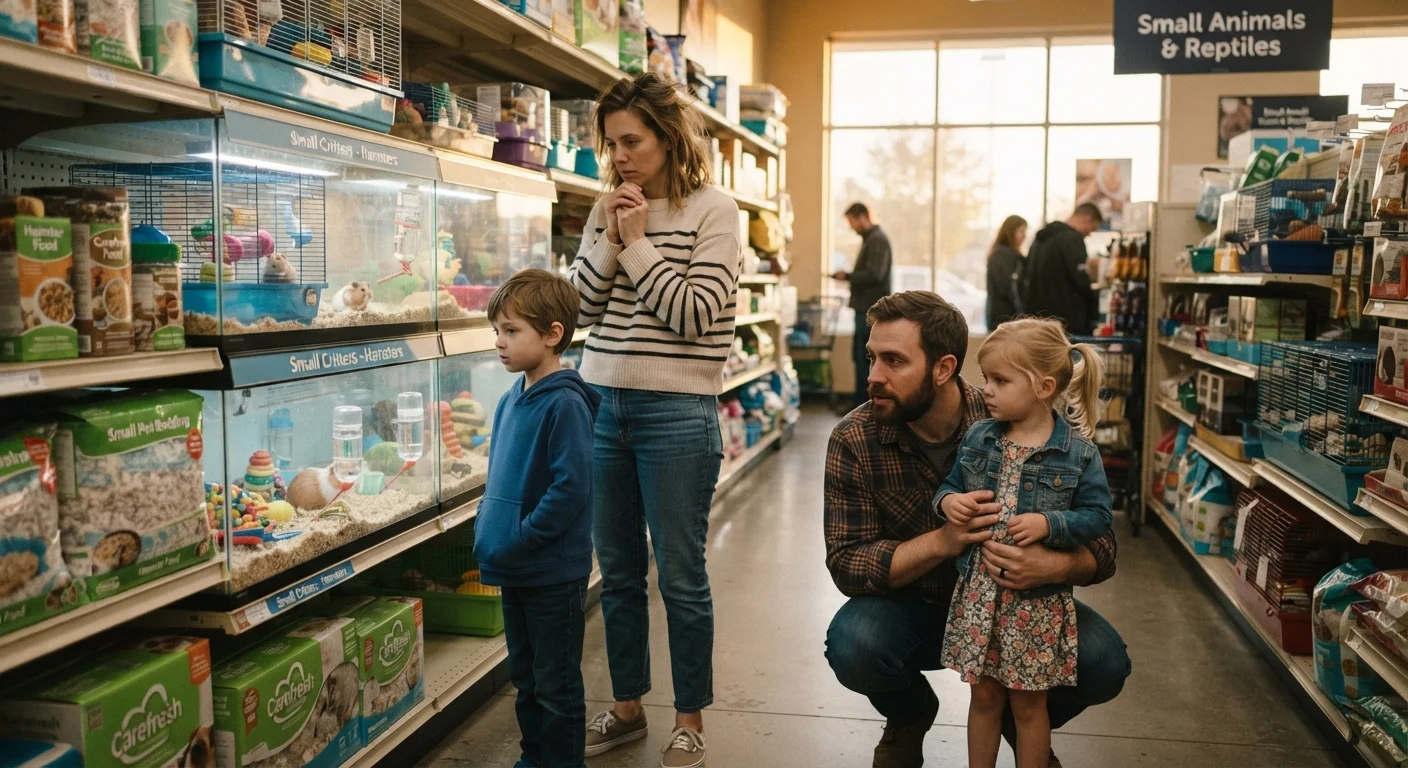
The decision usually starts well. Parents want their children to learn responsibility, build empathy, and experience the companionship that a pet can bring. Then something shifts: a child falls in love with an animal at a fair, a holiday season arrives, or a friend's pet seems perfectly manageable. The choice gets made fast, and the details get figured out later.
That gap between impulse and preparation is where most mismatches begin. It is not a failure of love for animals. It is a failure of information at the moment when information matters most. The patterns below describe how it happens and what actually helps.
Before you go further, the Family Pet Readiness Checklist offers a concrete set of questions covering space, budget, allergies, and child maturity that are worth working through before any adoption decision.
Letting the child's excitement drive the species choice.
Why it happens: Children are drawn to animals they find cute or exciting, and parents want to say yes. The emotional pull of a happy child can override a sober look at what the animal actually needs.
Underestimating daily time commitments for high-energy animals.
Why it happens: Care guides often describe what an animal needs in ideal terms. Busy parents read '30 minutes of exercise daily' and assume that fits easily into a schedule that is already stretched.
Choosing a pet based on a breed's general reputation without checking individual temperament.
Why it happens: Breed profiles circulate widely and feel authoritative. A dog described as 'great with kids' at the breed level may still be anxious, high-strung, or under-socialised as an individual.
Skipping allergy assessment before adoption.
Why it happens: Families assume they would already know if a member were allergic. Mild symptoms are easy to dismiss as seasonal issues, and pet allergies can develop or worsen after prolonged exposure, not just at first contact.
Ignoring the financial cost beyond the adoption fee.
Why it happens: The upfront cost of acquiring a pet is visible. Ongoing costs, including routine veterinary care, vaccinations, food, grooming, boarding, and unexpected illness, are easy to abstract away until they arrive.
Adopting a long-lived animal without thinking about the family's trajectory.
Why it happens: A family with a seven-year-old may not immediately connect that a tortoise or a parrot can live for several decades. The pet that suits a household with young children at home may not suit the same household ten years later.
What to do instead of guessing
The common thread in most of these mistakes is speed. Families move from idea to adoption in days when weeks of honest assessment would serve them better. Spending time with the animal type you are considering, talking to a veterinarian about care demands, and involving every household member in the conversation all reduce the risk of a poor match.
Understanding which traits actually signal compatibility is covered in What Makes a Pet Truly Kid-Friendly, which walks through temperament, size, and noise sensitivity in detail. For a side-by-side look at the real daily demands different species place on a household, Small Mammals, Fish, or Dogs: Matching Pet Type to Your Family's Lifestyle is a practical starting point.
Once a pet is home, the work shifts to routine. Why Consistent Pet Routines Matter More Than Perfect Pet Routines explains how predictable daily habits reduce animal anxiety and make care more manageable across a busy family week. Families who skip that structure often end up with the shortcuts described in Pet Care Shortcuts That Quietly Backfire on Busy Families, which look harmless until they affect the pet's health.
Rehoming a pet affects children too
When a pet leaves the family home, children often experience genuine grief, and may also carry a lesson that commitments can be reversed when they become inconvenient. That does not mean every struggling family must keep a pet that is unsafe or truly unmanageable. It does mean the choice to adopt deserves the same seriousness as any other long-term family commitment. Taking more time before deciding almost always reduces the chance of reaching that point.