Why shortcuts feel necessary but carry hidden costs
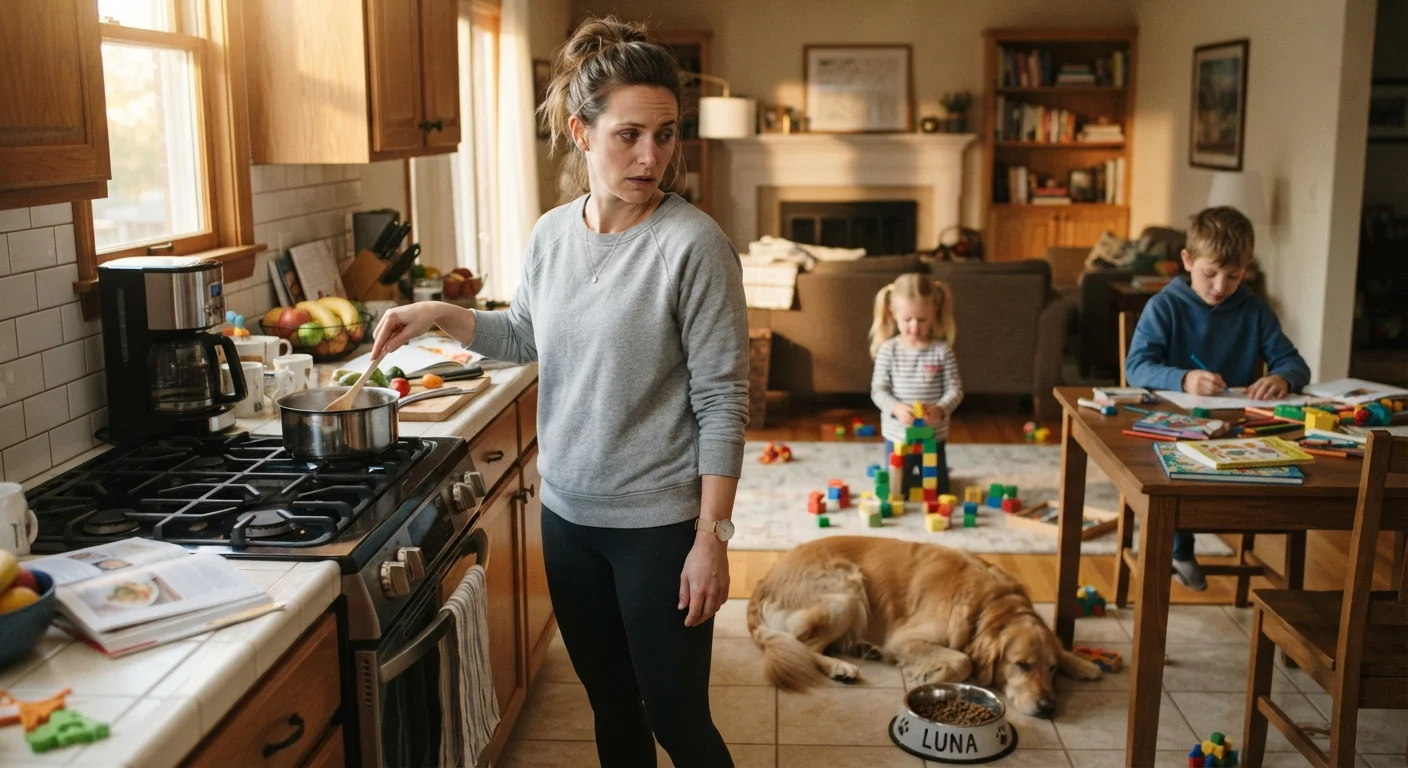
Busy families are not cutting corners because they do not care. Between school drop-offs, work schedules, and household chores, pet care often gets compressed into whatever gaps are left in the day. The shortcuts that form in those gaps tend to feel harmless in the moment, because pets rarely give immediate feedback when something is wrong.
The trouble is that many common time-savers accumulate quietly. A missed brushing becomes matted fur. A delayed vet visit becomes an advanced infection. A refilled water bowl that never gets washed becomes a source of bacteria. None of these problems announce themselves early, which is exactly why they catch families off guard.
If you are looking to build a more sustainable approach, the 10-minute daily pet care routine lays out what the minimum actually looks like for most households.
Skipping annual vet visits when the pet seems healthy.
Why it happens: When a pet shows no obvious symptoms, a checkup feels like an unnecessary expense and scheduling burden.
Leaving the water bowl full without washing it daily.
Why it happens: If the bowl still has water in it, topping it off feels like enough. The bowl looks clean, so cleaning it gets pushed to later.
Feeding at irregular times because the family schedule changes day to day.
Why it happens: Weekday and weekend rhythms differ, and pets are often fed around adult convenience rather than a fixed schedule.
Delaying grooming until it becomes a visible problem.
Why it happens: Brushing and nail trimming feel optional until fur mats or nails click on the floor. Families often wait for a clear signal before acting.
Assuming a tired pet does not need mental stimulation.
Why it happens: Physical tiredness is visible, so a dog that has been outside assumes it is satisfied. Mental boredom is harder to see until it becomes destructive behaviour.
What to do instead of skipping
The goal is not to add more to an already full schedule. Most of these fixes take under five minutes once they become habitual. The bigger shift is recognizing which shortcuts cost more time later than they save now.
Delegating without guidance can backfire
Children who are given pet tasks without clear instruction often complete them inconsistently or incorrectly, which can mean a pet goes without food or water without any adult realizing it. Spot-check children's tasks for the first two to four weeks until the habit is established. Never assume a task was done because it was assigned.
Bringing children into the routine helps distribute the load without letting standards slip. Age-appropriate tasks, assigned clearly, can cover basics like refilling water, reminding parents about feeding times, or brushing a calm, cooperative dog. The guide to splitting pet duties with kids walks through which tasks suit which ages.
For feeding specifically, the timing and consistency of meals matters more than most families realize. Morning vs. evening feeding schedules breaks down what fits different household rhythms, and why consistency outweighs perfection explains the behavioural and health reasons behind keeping a predictable pattern. Your family's pet safety at home depends on small, repeated habits more than any single intervention.