What actually happens when you choose each option
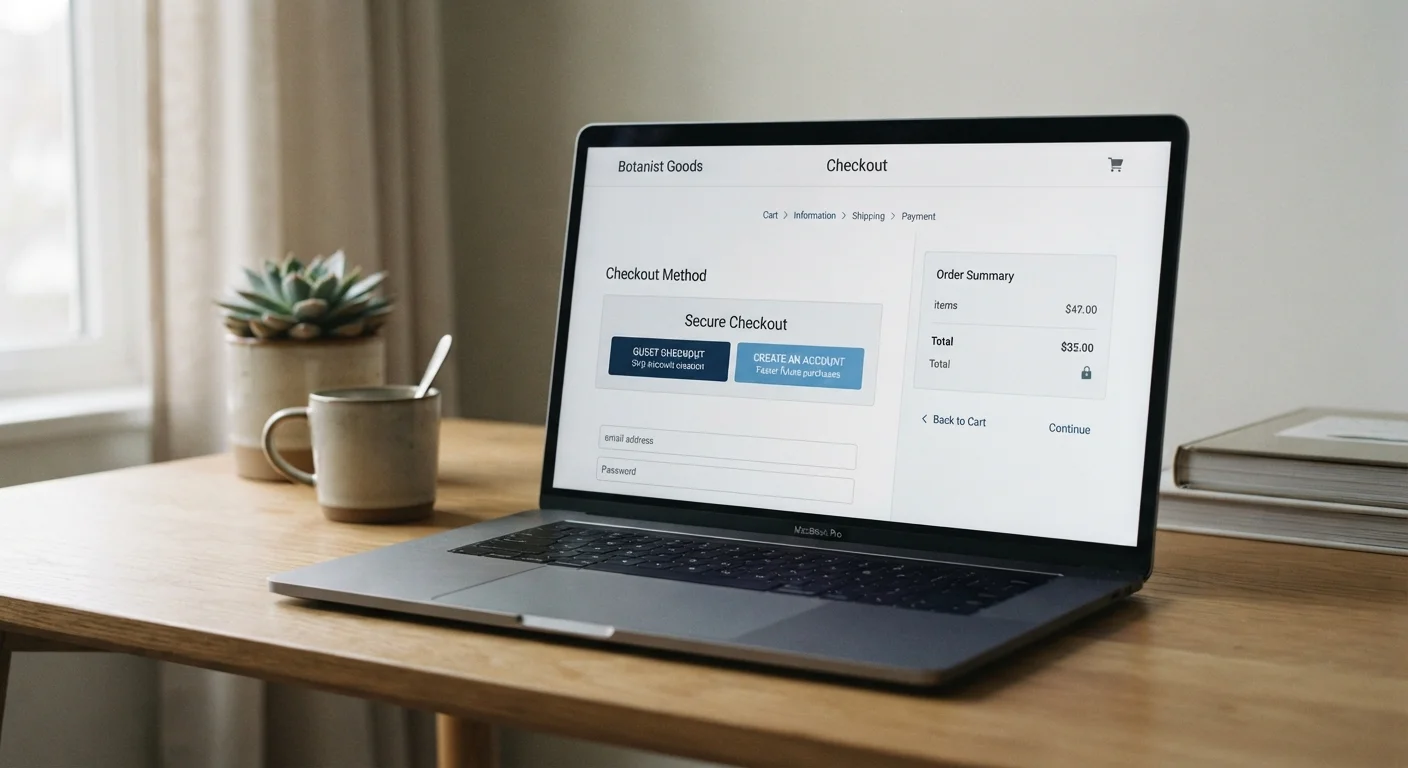
When you select guest checkout, the retailer processes your order using only what you type in: name, shipping address, payment details, and email for the order confirmation. That data is used to fulfill the order and, depending on the retailer's privacy policy, may still be retained for fraud prevention or legal compliance. The key distinction is that it is not attached to a persistent profile the retailer can continue to build on.
Creating an account links every purchase to a stored profile. Your order history, saved addresses, wish lists, and payment methods are all tied together. The retailer can use that profile to personalize recommendations, trigger cart abandonment emails, and track your lifetime value as a customer. For the retailer, an account is considerably more useful than a guest transaction.
Before completing any order, it is worth checking the basics. See our pre-order checklist for a quick run-through on seller credibility and return terms.
The real trade-offs: speed, privacy, and convenience
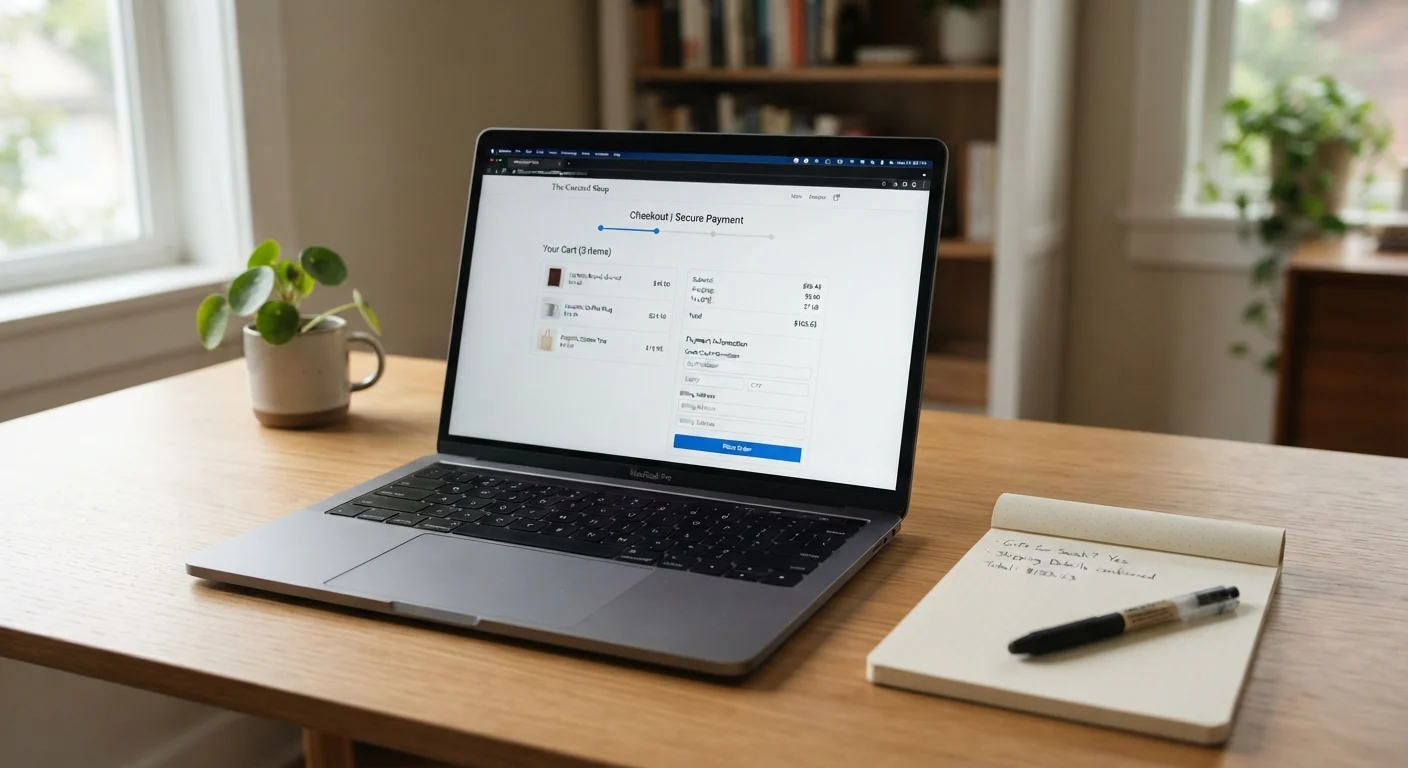
Guest checkout is faster at the moment of purchase. There is no password to create or remember, and if you are on a familiar device with autofill enabled, the whole process can take under two minutes. That matters when you are ordering school supplies between meetings or grabbing a last-minute gift.
The trade-off shows up later. If you need to track a delayed shipment, initiate a return, or prove a purchase date, you are working from your email inbox alone. There is no account dashboard to fall back on. Some retailers make this workable with order lookup tools that use your email and order number, but the experience is rarely as smooth.
Accounts shift the convenience in the other direction. Repeat checkout is genuinely faster once your details are saved, and order history gives you a reliable paper trail. The cost is that you are building a data profile with the retailer, receiving marketing communications you will need to unsubscribe from, and creating another login credential to manage. For families juggling dozens of accounts across different services, that last point is not trivial.
| Criterion | Guest Checkout | Creating an Account |
|---|---|---|
| Checkout speed (first order) | Faster, no sign-up required | Slower, requires registration |
| Checkout speed (repeat orders) | Same each time | Faster with saved details |
| Order history access | Email only | Full account dashboard |
| Loyalty rewards | Not available | Points, tiers, member pricing |
| Data profile built by retailer | Minimal | Ongoing and detailed |
| Marketing emails | Fewer (transactional only) | Regular promotional contact |
| Return process | Relies on email records | Managed in-account |
| Password to manage | None | Yes |
Loyalty perks: what accounts actually unlock
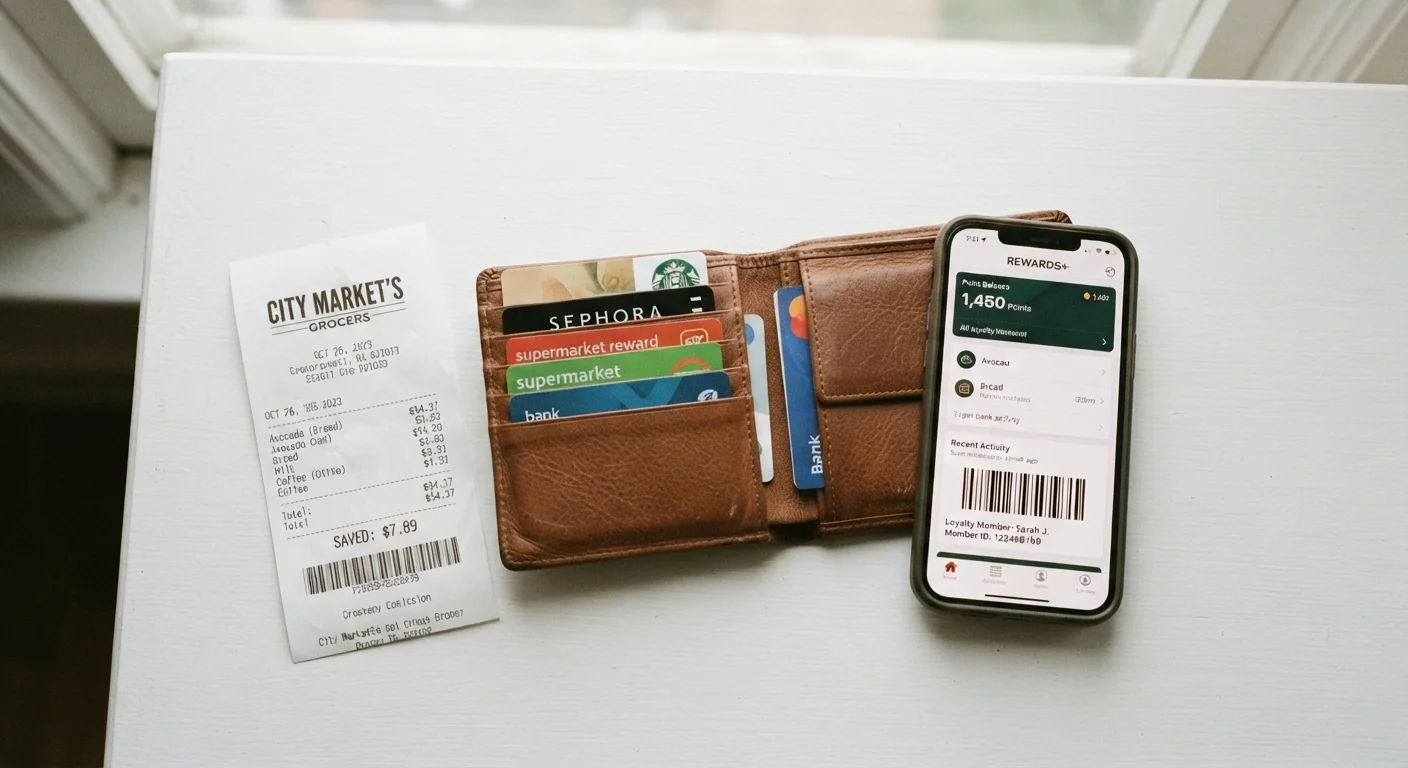
Many retailers reserve their most valuable benefits for account holders. Points on purchases, member-only pricing, early access to clearance events, and birthday discounts are typically unavailable to guest shoppers. If you shop at a particular retailer regularly, those benefits can add up to meaningful savings over a year.
The mechanics of retailer loyalty programs are worth understanding before you sign up. Earning rates, redemption rules, and expiry windows vary considerably. An account that earns you nothing useful is just another inbox subscription.
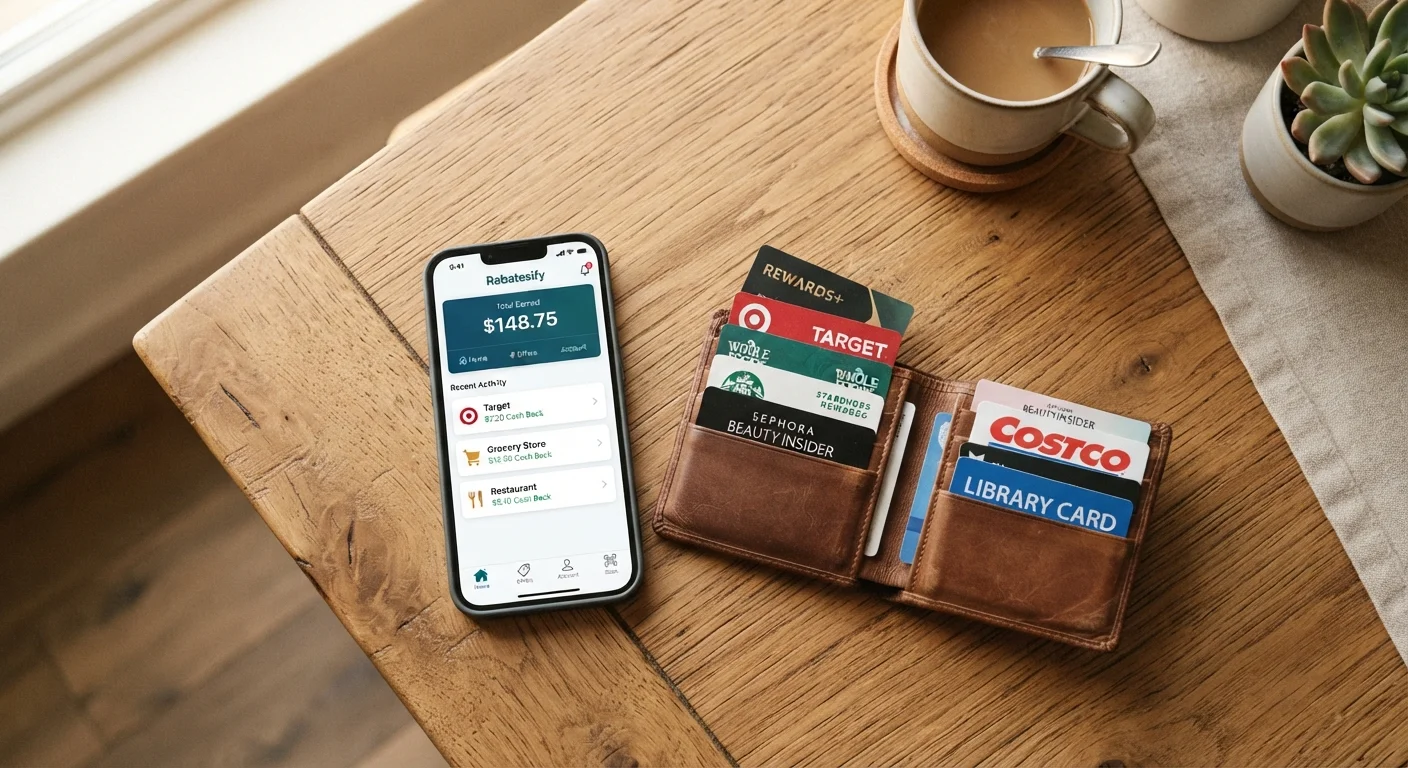
For families already using cashback tools, it is worth considering how an account interacts with those systems. The article comparing cashback apps with store loyalty cards covers which approach tends to deliver more for typical household spending patterns.
72%
Shoppers who abandon carts due to forced account creation
According to the Baymard Institute's research on checkout usability, forced account creation is one of the most common reasons shoppers abandon a purchase.
4 in 10
Online adults who use the same password across multiple sites
Pew Research Center surveys on online security consistently find that password reuse is widespread, raising the stakes for each new account created.
One detail most shoppers miss
A significant number of retailers allow you to convert a guest order to a full account immediately after purchase, using the same email address you entered at checkout. This means you do not have to choose between speed and account benefits at the moment of purchase. You can check out as a guest, then decide whether the retailer is worth registering with once the order is confirmed.
This option is usually surfaced in the order confirmation email or on the post-purchase page. It is not universally available, but it is common enough that it is worth looking for before you dismiss the account option entirely.
If you want to shop more efficiently without adding to your screen time, the guide on shopping smarter without spending hours online covers deal alerts and saved searches that reduce the time you spend actively hunting.
Your data after a guest order
Choosing guest checkout does not make your data invisible. Retailers are typically required to retain transaction data for legal and tax purposes, and payment processors have their own retention policies. What guest checkout avoids is the creation of a marketing profile tied to your name and browsing behavior. Reviewing a retailer's privacy policy before purchase gives you the clearest picture of what they keep and why.