What the check engine light actually monitors
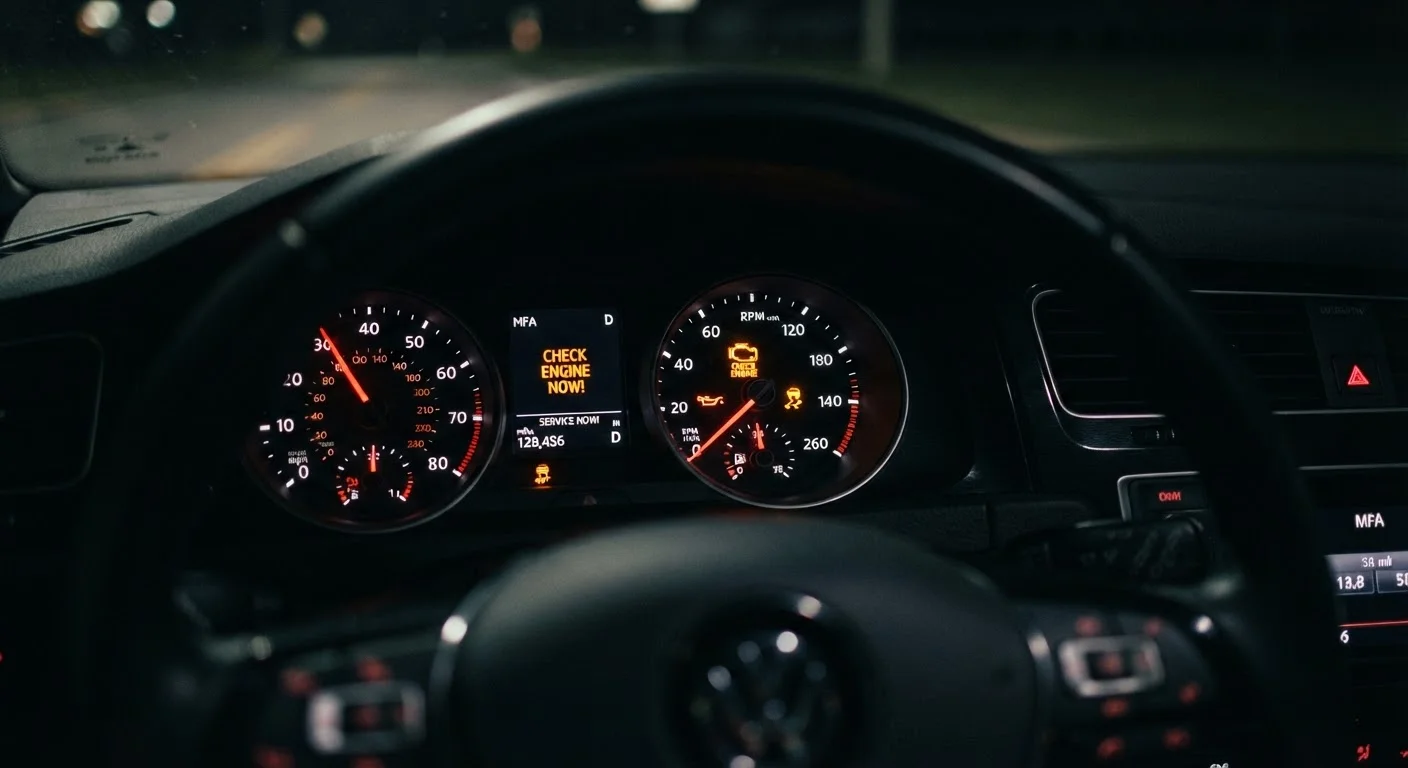
The check engine light, formally the malfunction indicator lamp, connects to your vehicle's onboard diagnostics system, known as OBD-II. Every car sold in the US since 1996 has one. When a sensor reading falls outside the expected range, the system logs a fault code and switches the light on.
The system monitors well over a hundred possible conditions: oxygen sensor output, fuel trim, misfire counts, evaporative emissions integrity, transmission behavior, and more. That breadth is why the light feels vague. It does not point to one thing; it points to a logged code that you have to retrieve.
Staying current with your vehicle's service intervals reduces the chance of a surprise fault. Your car's maintenance schedule, decoded explains how service intervals connect to long-term reliability.
Common mistakes drivers make when the light appears
Treating the light as a low-priority reminder rather than a diagnostic signal.
Why it happens: The check engine light has a reputation for being vague and unhelpful, so many drivers assume it can wait indefinitely without consequence.
Assuming a steady light and a flashing light carry the same urgency.
Why it happens: Both look similar at a glance, and most drivers were never told there is a meaningful difference between the two states.
Fixing only the symptom by resetting the code without repairing the fault.
Why it happens: Clearing the code feels like a solution, and it temporarily removes the warning. Some drivers repeat this cycle for months.
Ignoring a fuel economy drop that accompanies the light.
Why it happens: Drivers often attribute worsening fuel economy to traffic, weather, or driving habits rather than connecting it to an active fault code.
Skipping the gas cap check as a first step.
Why it happens: A gas cap seems too simple to cause a warning light, so drivers skip straight to worrying about expensive repairs.
Delaying repairs because the car still drives acceptably.
Why it happens: If no obvious performance problem exists, the light feels like an abstract concern rather than an immediate cost.
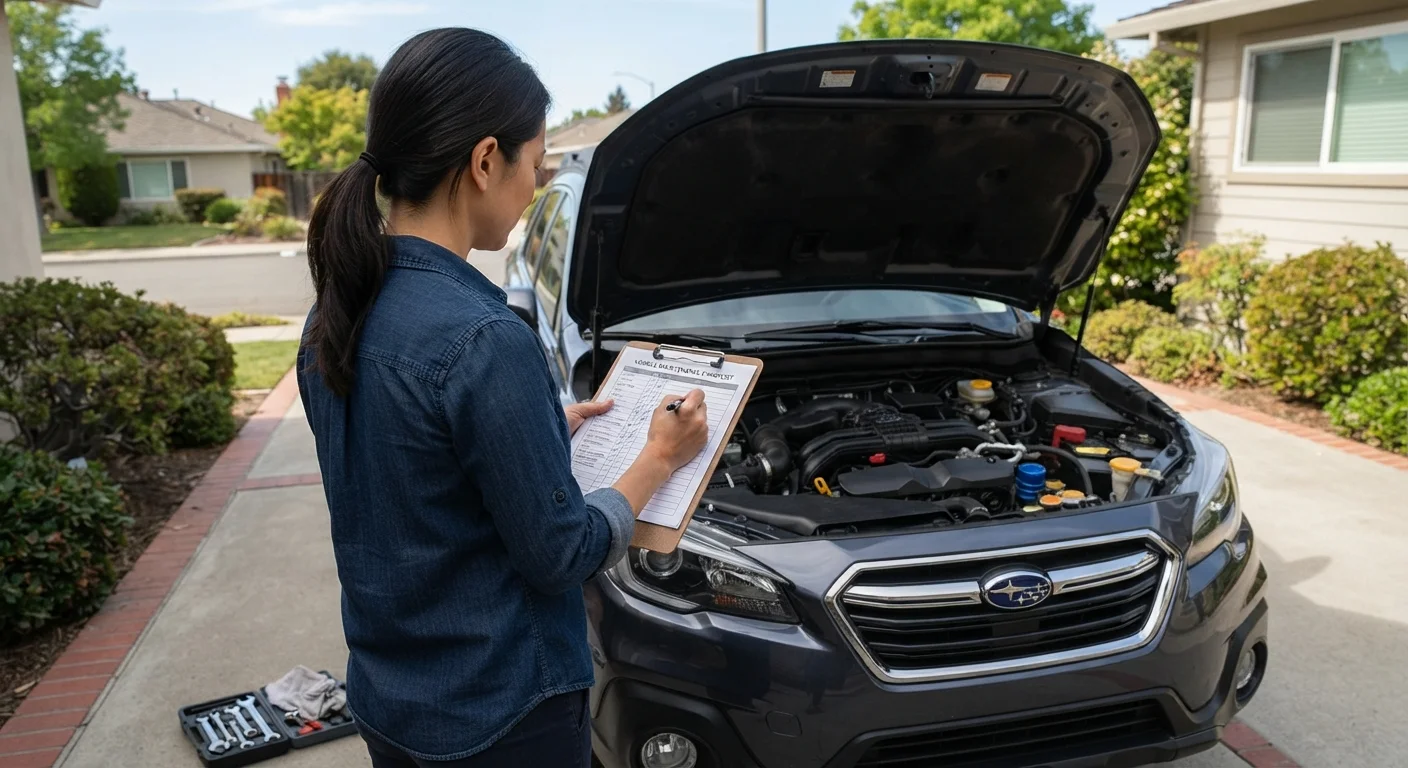
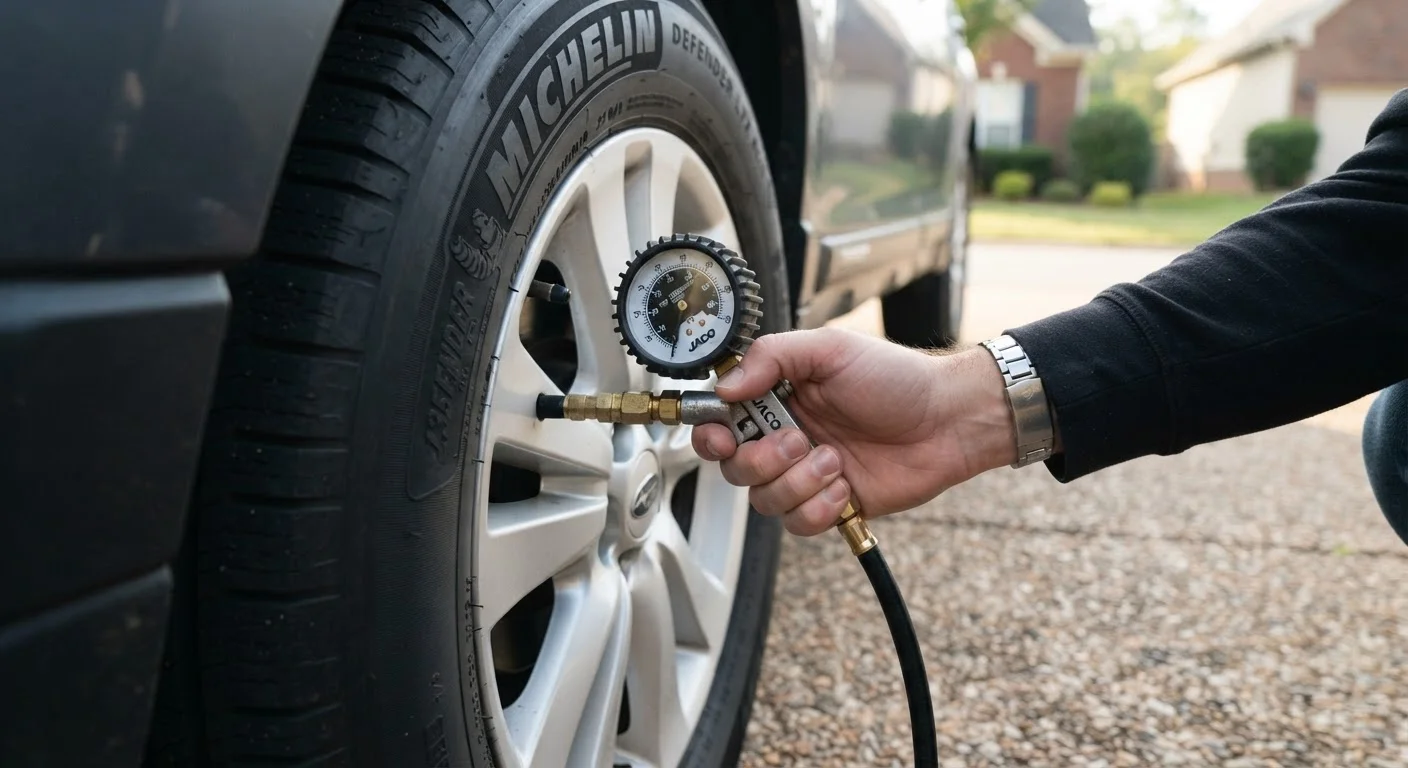
A few of these mistakes are easy to avoid once you understand what the light is actually reporting. Small checks like tire pressure and air filter condition, covered in routine vehicle checks that protect your fuel budget, can also prevent some fault codes from appearing in the first place.
Reading codes yourself: what's realistic
Flashing light means stop driving
A steady check engine light allows cautious continued driving to a shop. A flashing or blinking light does not. It typically indicates an active misfire that is forcing unburned fuel into the catalytic converter, which can destroy the converter within minutes of continued driving. Pull over safely and have the vehicle towed or inspected before driving further.
A basic OBD-II scanner plugs into the diagnostic port, usually located under the dashboard on the driver's side. Most scanners display a code like P0301, which you can look up in any OBD-II code database to find the system and component involved. That information lets you have a more informed conversation with a mechanic, or confirm that the issue is something simple before paying a diagnostic fee.
Scanners with live data readouts show real-time sensor values, which helps identify intermittent problems that don't always trigger a stored code. These cost more but are worth considering if you have an older vehicle or one with recurring issues.
When to drive and when not to
Don't clear codes without diagnosing first
Erasing a fault code with a scanner makes the light go off temporarily, but the underlying problem remains. If you clear codes before a mechanic reads the vehicle, you may also erase the freeze-frame data that shows exactly what conditions triggered the fault, making diagnosis harder and potentially more expensive.
A steady check engine light with no drivability symptoms, no overheating, no unusual noise, no power loss, means you can generally drive carefully to a repair shop. Keep the trip short and avoid hard acceleration.
If the light is accompanied by a high-temperature gauge reading, loss of oil pressure, or a strong burning smell, pull over immediately. Those combinations suggest conditions that can destroy an engine quickly if you keep driving.