What the schedule is actually telling you
The maintenance schedule in your owner's manual is not a sales tool for service departments. It is an engineering document specifying the intervals at which components need attention to keep your vehicle operating within its designed parameters. Each entry exists because a part wears, a fluid degrades, or a system needs inspection after a predictable amount of use.
Intervals are expressed in miles, months, or both, and the 'whichever comes first' rule applies. If your oil change interval is listed as 6,000 miles or six months and you drive only 4,000 miles in those six months, you still change the oil at the six-month mark. Time matters because fluids absorb moisture and contaminants even when a car sits idle.
The schedule also distinguishes between normal and severe duty driving. Severe duty is not just for fleet vehicles or off-roaders. Suburban stop-and-go commutes, frequent short trips where the engine never fully warms up, and summer heat all qualify. If severe conditions apply to your driving, your service intervals are shorter across most categories.
The services that matter most and why
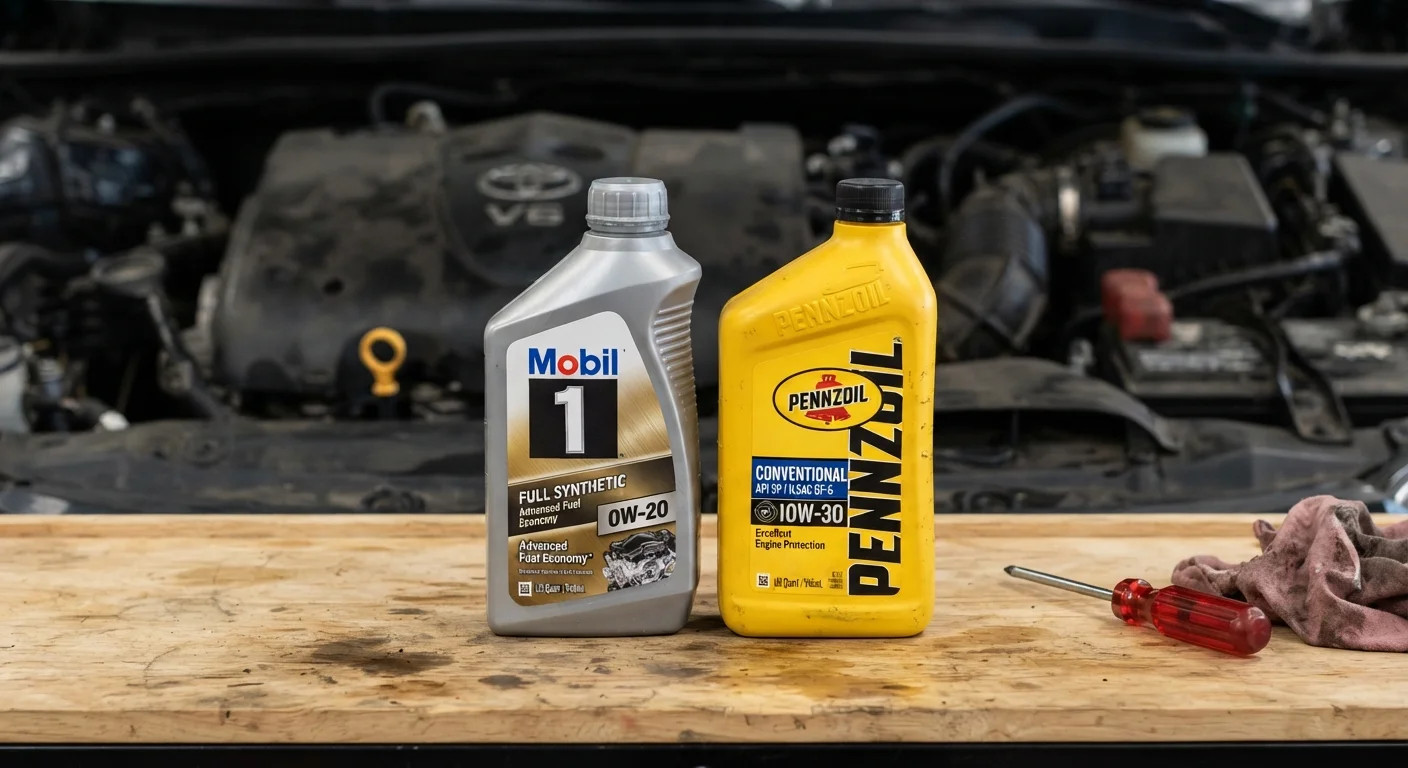
Oil and filter: Engine oil lubricates hundreds of moving parts and carries heat away from the combustion area. As it ages it oxidizes, accumulates combustion byproducts, and thickens. A degraded oil film causes metal-on-metal wear that accumulates invisibly until it shortens engine life. The type of oil you use directly affects how long each interval can run safely.
Tire rotation: Front and rear tires wear at different rates because of steering forces and weight distribution. Rotating them at regular intervals, typically every 5,000 to 7,500 miles, evens out wear and extends the usable life of the full set. For more on monitoring wear and maintaining pressure, see tire care basics.
Air filter: A clogged engine air filter restricts airflow to the engine, which can reduce fuel efficiency and performance. Most manufacturers recommend inspection every 15,000 to 30,000 miles, though dusty environments accelerate clogging.
Brake inspection: Brake pads wear gradually and quietly until they do not. Most schedules call for a visual inspection at least once a year, with pad replacement typically needed between 25,000 and 65,000 miles depending on driving habits and pad material.
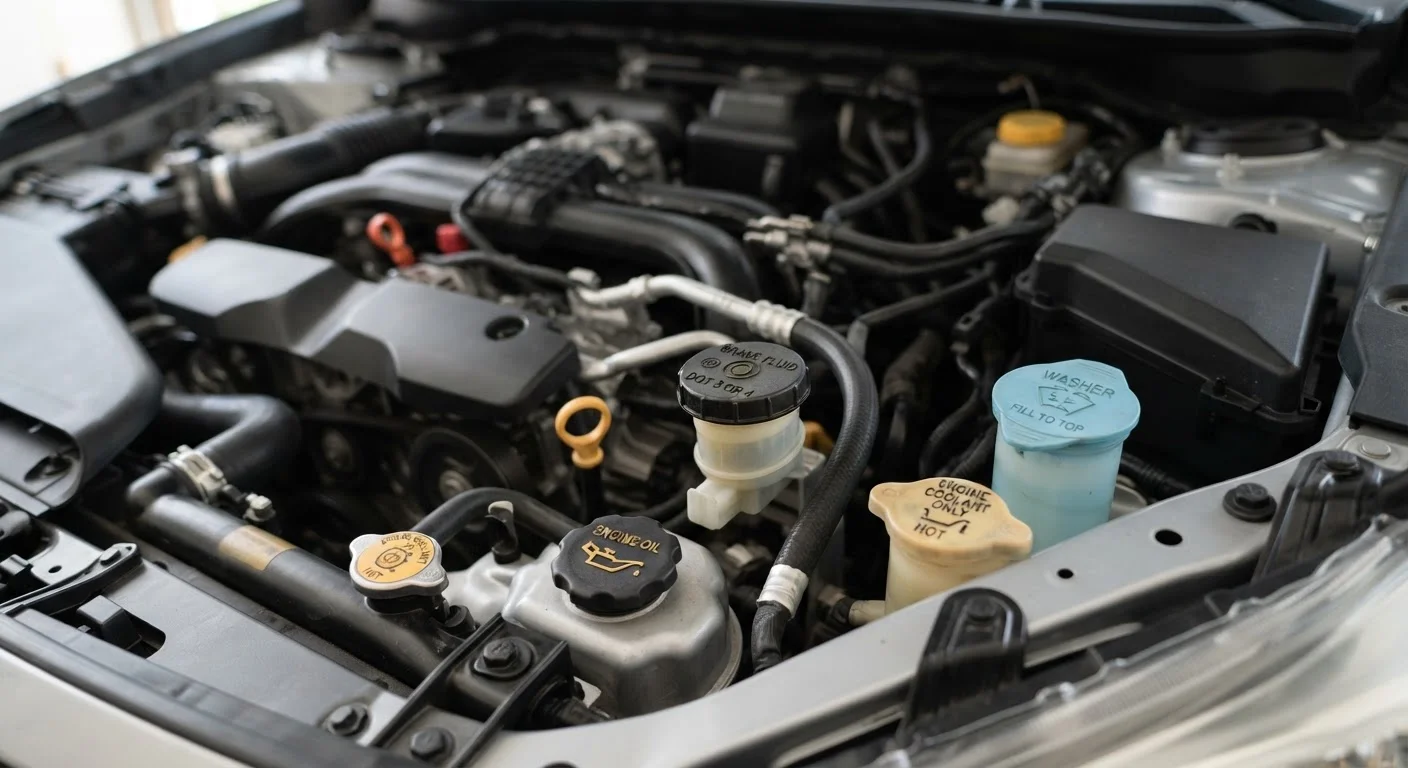
Fluids: Coolant, brake fluid, power steering fluid, and transmission fluid all degrade over time. Each fluid has a specific role and a specific replacement interval. Ignoring them is one of the more common ways drivers create expensive problems from what started as a cheap service.
Check your manual before the shop upsells you
Service advisors sometimes recommend intervals shorter than what your manufacturer specifies. Before agreeing to any service, look up the task in your owner's manual. If the manual says you have 10,000 miles left on a fluid change, you can confidently decline. The manual, not the shop's in-house schedule, is the standard.
Reading your schedule without the jargon
Most owner's manuals organize maintenance into tiers, often labeled by mileage milestones such as 30,000, 60,000, and 90,000 miles. These are cumulative checkpoints, not restarts. A 60,000-mile service builds on everything done at 30,000 miles and adds tasks appropriate for higher-mileage wear patterns.
Spark plugs are a good example. Standard copper plugs may need replacement around 30,000 miles, while iridium or platinum plugs in many modern engines can last 60,000 to 100,000 miles. The manual specifies which type your engine uses and when replacement is due.
Timing belts or timing chains are among the highest-stakes items on any schedule. A timing belt failure can destroy an engine in seconds. If your vehicle uses a belt (check your manual), its replacement interval, often 60,000 to 105,000 miles, is non-negotiable. Timing chains are generally designed to last the life of the engine but still warrant attention if you hear a rattling noise at startup.
For a broader look at how seasonal changes interact with your maintenance calendar, seasonal car care checks cover the overlap between scheduled services and weather-related wear.
Keeping records and staying on track
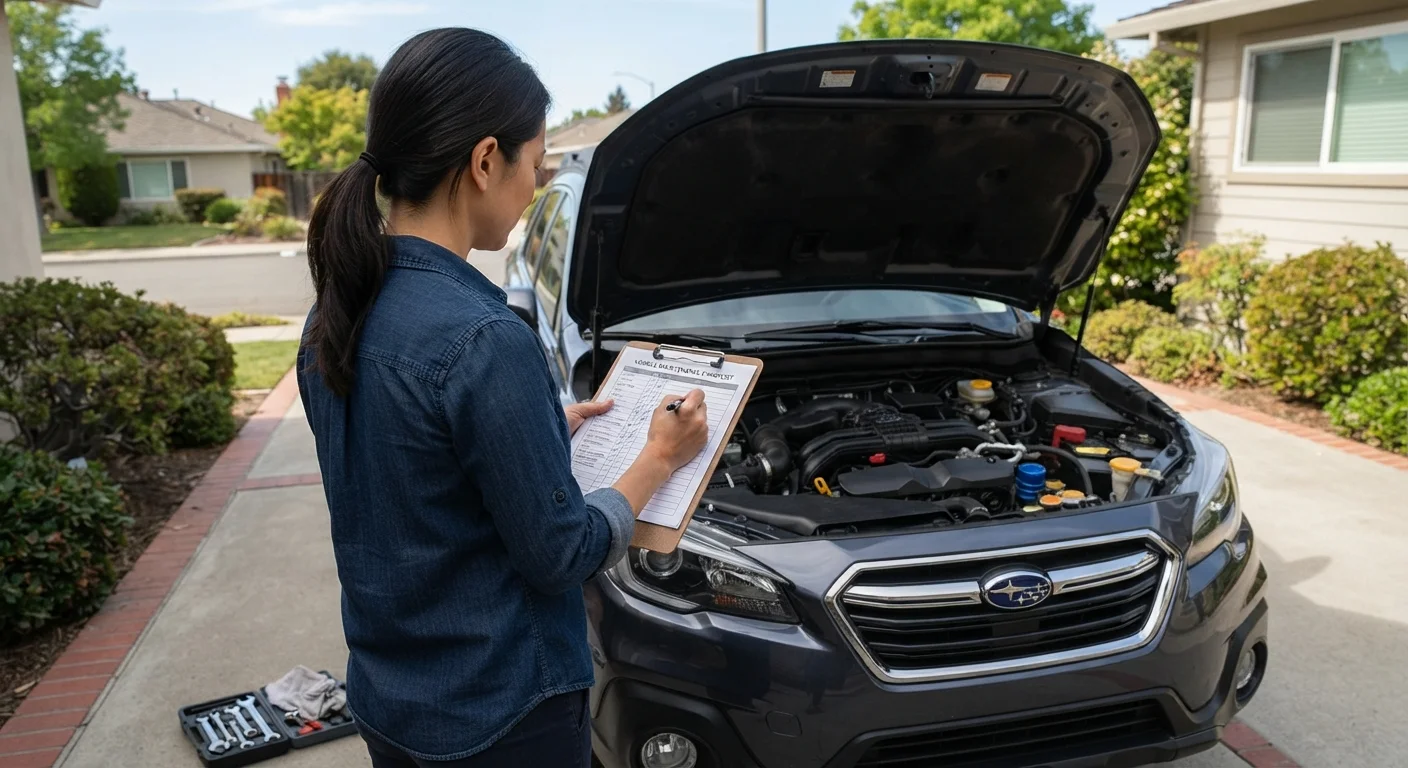
A maintenance log, even a simple paper one in your glove box, serves two purposes. It shows you at a glance what has been done and what is coming due, and it provides documentation that protects your warranty and adds transparency when selling the vehicle. Dated receipts from a shop or notes from home tasks both count.
If you bought a used vehicle without records, a qualified mechanic can perform a multi-point inspection to establish a baseline. From that inspection you can determine which services are overdue and reset your tracking from a known starting point.
Some drivers use manufacturer apps or third-party vehicle tracking tools to log services and receive reminders. These are useful, but treat them as supplements to the manual, not replacements for it. The manual remains the authoritative source for your specific vehicle's requirements.
For anyone deciding which tasks to handle personally versus taking to a shop, knowing the dividing line between DIY and professional work keeps maintenance both cost-effective and safe.
This article is for general informational purposes only. For maintenance decisions specific to your vehicle, consult your owner's manual or a qualified mechanic.