
Why the returns policy deserves two minutes before checkout
Most shoppers scroll past the returns policy until they actually need it, which is exactly when the fine print bites. A returns policy is a contract. Reading it before you pay puts you in a far stronger position than reading it after a package arrives damaged or the wrong size.
This is especially true for time-pressed families buying clothes for growing kids, electronics, or home goods where fit, compatibility, or quality can only be confirmed in person. See the pre-purchase checklist for a broader look at what to verify before confirming any order.
Save the policy at the time of purchase
Retailers can update their returns policies at any time. Take a screenshot or PDF of the full policy page before completing your order. If a dispute arises later, the version in effect at the time of purchase is what governs, and having that copy removes ambiguity.
What each clause actually means
Return window: This is the number of days from purchase or delivery in which you can initiate a return. "From purchase" and "from delivery" are not the same thing. If a retailer counts from the purchase date and shipping takes a week, your usable window shrinks by that shipping time. Thirty days sounds generous; it is less so when you factor in transit both ways.
Restocking fee: Common on electronics, mattresses, and large appliances, this fee is deducted from your refund. A 20 percent restocking fee on a $400 item means you net $320 back. Always check whether the fee applies to all returns or only to opened items.
"Free returns": This phrase typically means the retailer covers return shipping under specific conditions: using their prepaid label, dropping off at a designated carrier location, or returning via their app-generated QR code. Returning through a method of your own choosing often forfeits the free return benefit.
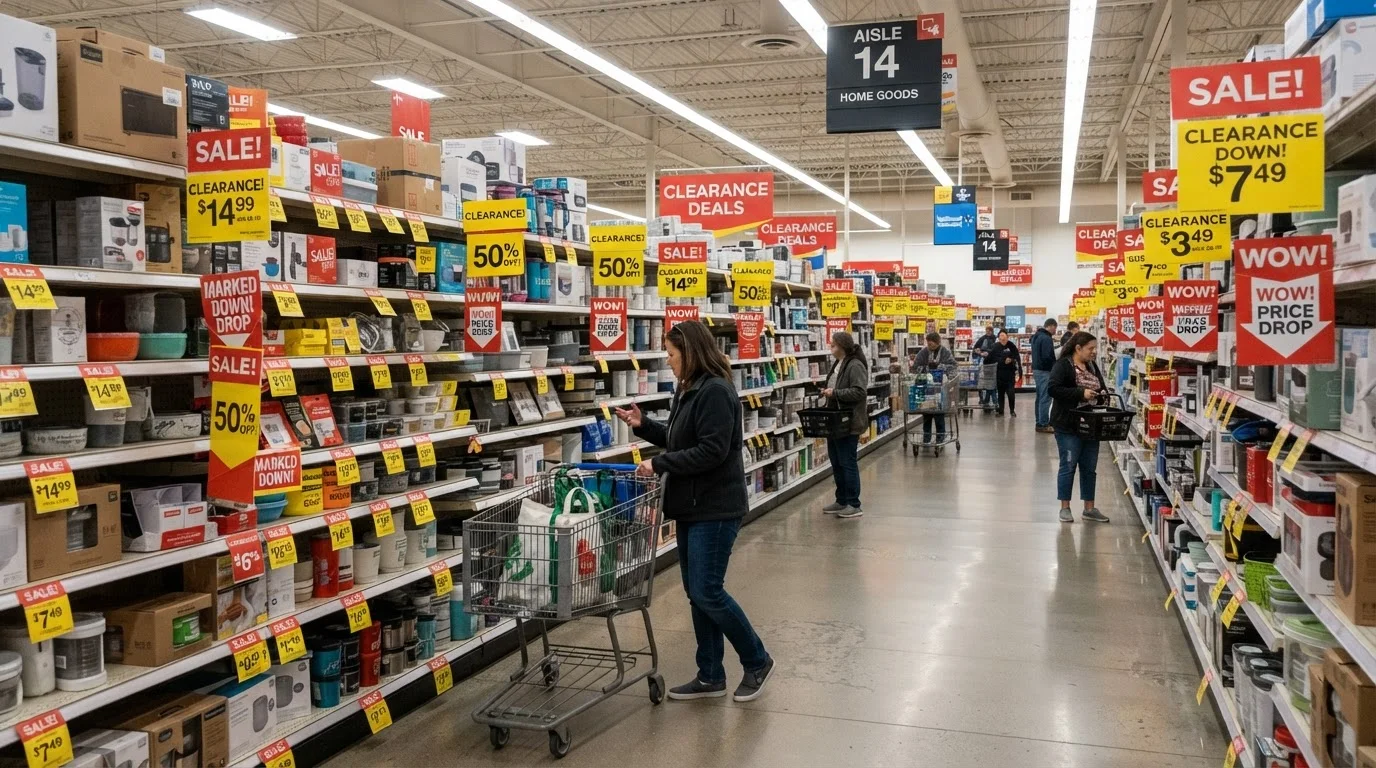
Final sale / non-returnable: Items marked "final sale" or "clearance" are frequently excluded from the standard policy entirely. The explanation of sale pricing labels can help you interpret what those discount tags actually signal before you add an item to your cart.
Original packaging requirement: Many policies require items to be returned in their original box with all accessories, manuals, and tags intact. Retailers enforce this more rigorously for high-value or resaleable items. If you throw away the box on day one, you may lose return eligibility regardless of the window.
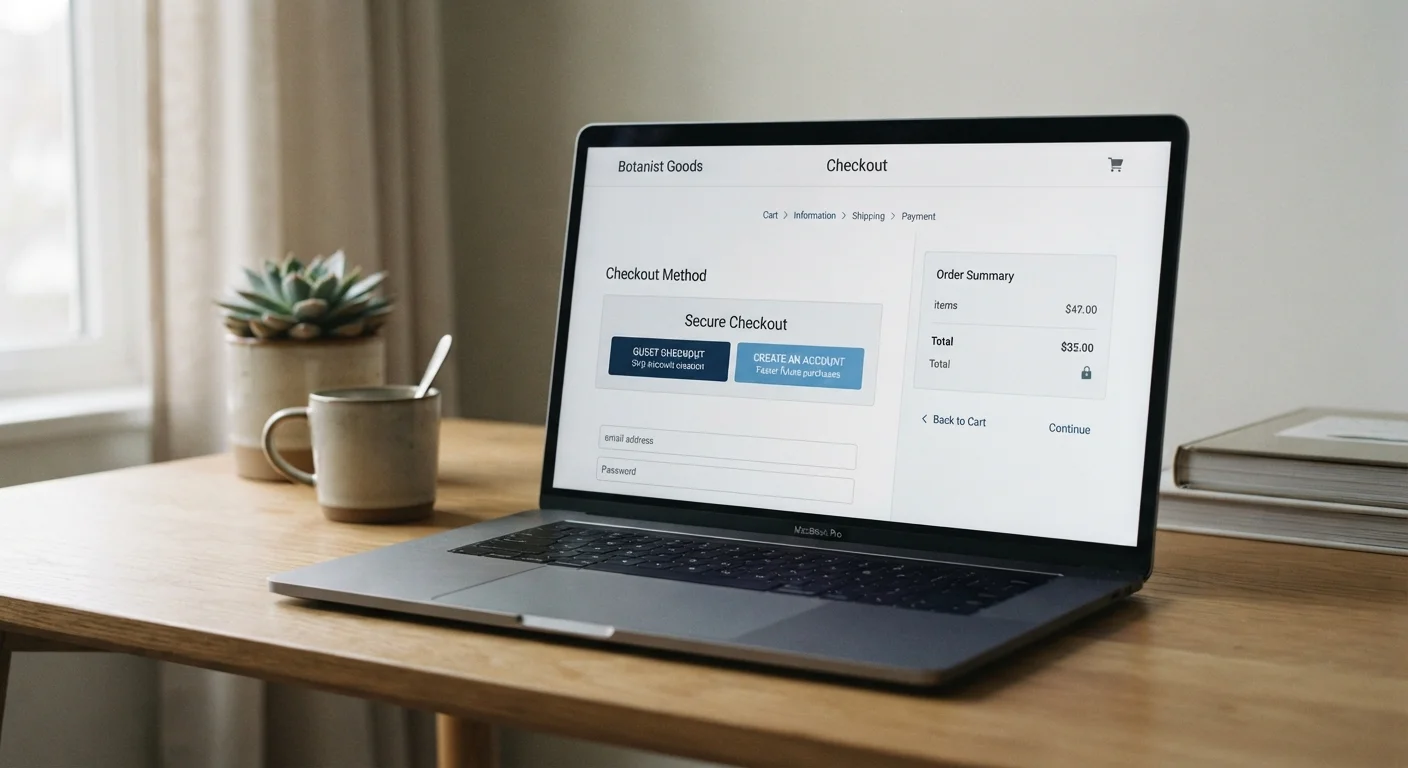
Proof of purchase: A receipt, order confirmation email, or packing slip is required in nearly every case. If you used a guest checkout, retrieving that confirmation email is your only documentation. That is one reason creating an account can matter for post-purchase situations.
Step-by-step: how to read a returns policy efficiently
Use the steps below as a consistent habit. Each pass takes under two minutes once you know what to scan for.
Find the full policy, not the summary
Look for a link labeled "Returns," "Return Policy," or "Refund Policy" in the site footer. The summary shown at checkout ("Easy 30-day returns") is marketing language. The full policy page contains the conditions, exclusions, and fee structures that actually apply. Open that page in a separate tab before you finalize your cart.
Confirm the return window and its start date
Note the exact number of days allowed and whether the clock starts at purchase or delivery. If the policy says "30 days from purchase" and a gift item will not be opened for two weeks after delivery, your practical window may be very short. Write the deadline in a calendar reminder at the time of purchase, not when the item arrives.
Identify excluded categories and conditions
Scan for sections titled "Exclusions," "Non-returnable items," or "Final sale." Common exclusions include underwear and swimwear (hygiene), digital downloads, personalized items, opened software, and clearance merchandise. If your item type appears in an exclusion list, treat the purchase as final and decide accordingly.
Check for restocking fees and their triggers
Search the policy page for "restocking fee" or "return fee." Note the percentage and which products it applies to. Some retailers charge a restocking fee only when an item is opened; others apply it regardless of condition. Factor the fee into your effective price before buying, especially on high-ticket electronics or appliances.
Verify what "free returns" actually requires
If the retailer advertises free returns, locate the specific instructions. Note the required carrier, drop-off location type, and whether a label must be generated through an app or account portal. Confirm that your item category qualifies: some "free return" programs exclude oversized items, furniture, or items purchased through a third-party marketplace even when sold on the retailer's own site.
Keep packaging and documentation until you are certain
Do not discard original boxes, tags, or accessories until you have used the item enough to be confident you will keep it. Store the order confirmation email in a dedicated folder. If a return becomes necessary, having complete packaging and documentation avoids disputes about item condition and makes the process straightforward.
When a retailer refuses a valid return
If a retailer denies a return that clearly falls within their stated policy, document everything: screenshots of the policy as it appeared at purchase, your order confirmation, and any correspondence. A written complaint to the retailer's customer service department, referencing the specific policy language, resolves most disputes without escalation.
If that fails, a credit card chargeback is a legitimate backstop. Card networks require merchants to honor advertised policies, and a chargeback for "item not as described" or "merchant policy violation" is typically decided in the cardholder's favor when supporting evidence is clear. File within your card issuer's dispute window, which is usually 60 to 120 days from the statement date.
For purchases driven partly by deal-hunting logic, it is worth reading common deal-hunting myths to avoid situations where a perceived saving creates a harder-to-return purchase.