Why discount labels exist and what they are actually communicating
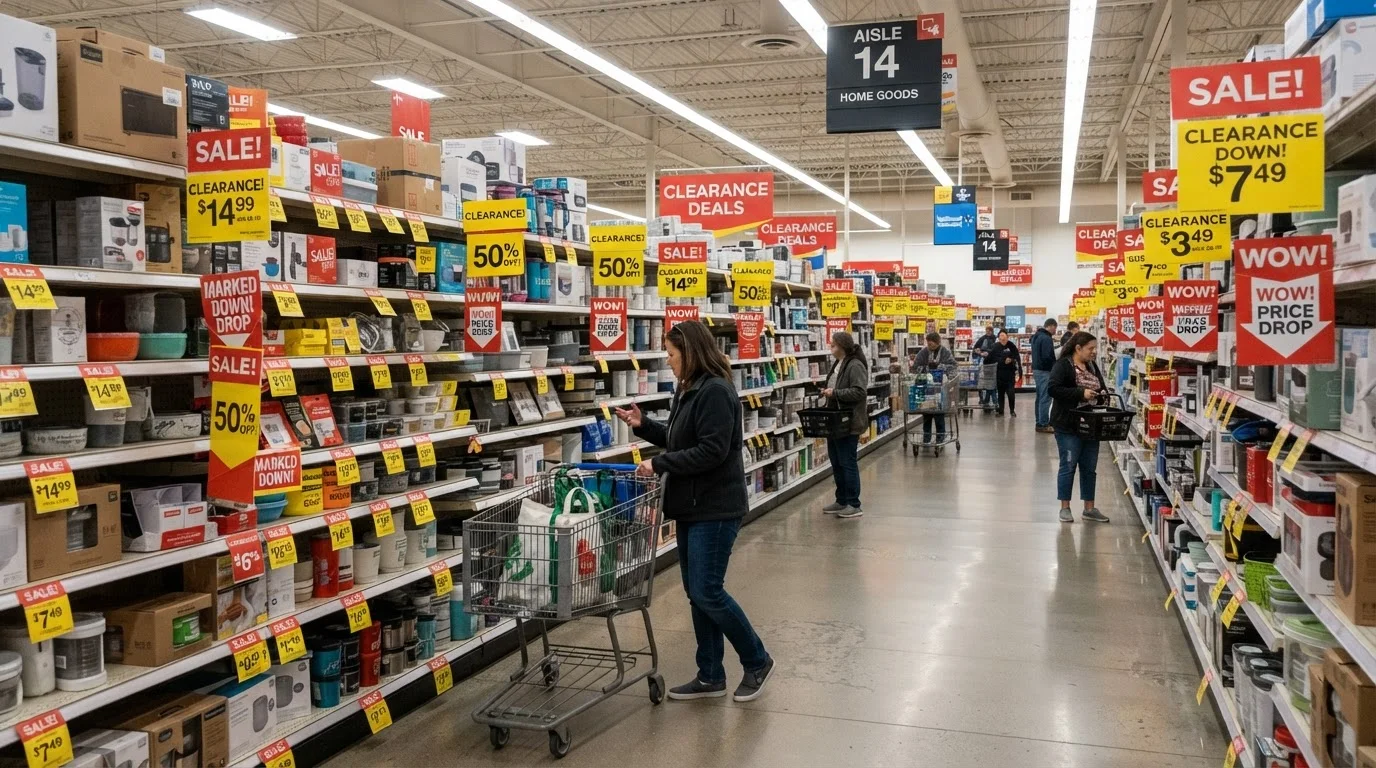
Every retailer uses pricing language to influence how a shopper perceives value. The label itself is a signal, but the signal does not always mean what it appears to mean. 'Sale,' 'clearance,' 'markdown,' 'rollback,' and 'BOGO' each describe a different pricing event, with different implications for whether you are saving money or simply spending it at a slightly lower margin for the store.
The Federal Trade Commission's Guides Against Deceptive Pricing address how reference prices must be established, but they set a floor, not a ceiling. Within that legal space, retailers have wide latitude to frame prices in ways that favor conversion over transparency. For busy families making fast purchasing decisions, the label can substitute for actual price comparison. That is exactly what it is designed to do.
For a broader look at how retailers construct discounts from the ground up, see how retailers structure discounts.
Check the price history first
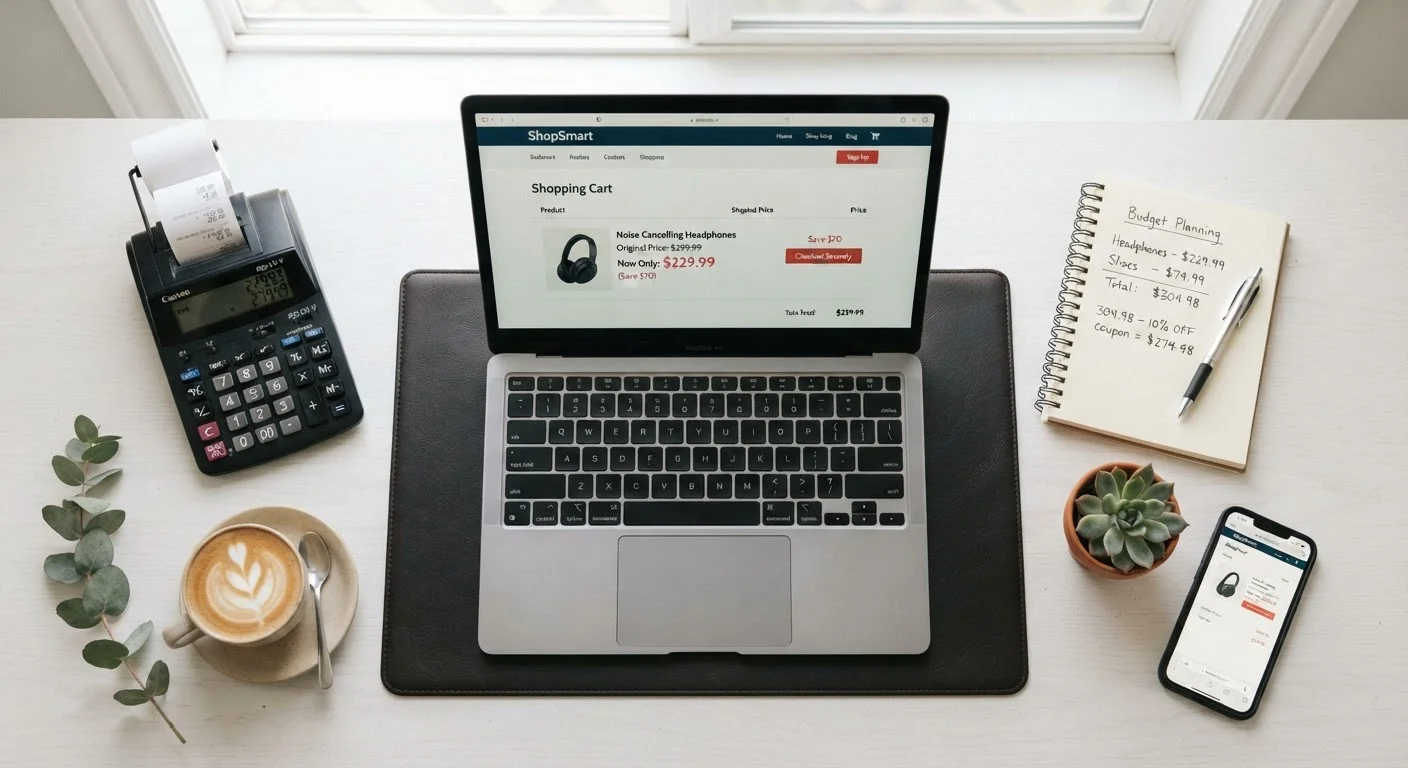
Before acting on any discount label, look up the item's price history using a browser extension or price-tracking site. A 30- to 90-day price chart tells you whether the 'sale' price is actually lower than the item's typical price. This takes about two minutes and removes the label's influence from your decision.
What each label actually signals
Sale: The broadest and least specific term. A 'sale' price only means the current price is lower than some stated reference price. Whether that reference price was ever genuinely charged to real customers is a separate question. Retailers are supposed to establish reference prices through actual sales, but the look-back period and volume requirements are loosely applied in practice.
Clearance: This label means the retailer wants to stop stocking the item. Clearance events do produce genuine price reductions because the retailer's goal is zero remaining inventory. However, clearance pricing is relative to what the store paid and what margin they will accept, not necessarily relative to prices at other retailers.
Markdown: A markdown is a permanent or semi-permanent reduction in the listed price, often used in apparel and home goods. Unlike a temporary sale, a markdown typically stays until the item sells or is cleared further. It is one of the more honest labels because it signals a deliberate price floor has been lowered.
Rollback: Used heavily by mass-market retailers, a rollback is a temporary price reduction on an ongoing product. The item will return to a higher price after the rollback period. The reduction is real relative to the retailer's own previous price, but that price may not be competitive with the market.
BOGO (buy one get one): BOGO deals require you to calculate per-unit price, not face value. In a true BOGO free promotion, the unit price of the paid item determines your actual savings. If the retailer raised the price before launching the promotion, the math shifts against you. BOGO 50% off is even more variable: the discount applies to the second item at the current shelf price, which may itself have been adjusted.
For context on how these labels interact with coupon codes and cashback, see how stacking discounts works.
37%
Shoppers who check prices before buying on sale
A 2023 survey by the National Retail Federation found that fewer than four in ten US shoppers routinely compare prices before acting on a sale label.
Up to 90 days
Price history window retailers may use for reference prices
The FTC's Guides Against Deceptive Pricing suggest that a reference price should reflect recent actual sales, with many interpretations treating a 90-day window as a benchmark.
How to evaluate a price without relying on the label
The most reliable check is a price history lookup. Several browser extensions and price-tracking websites record historical prices for items sold through major online retailers. If the 'sale' price is actually the item's regular price over the past 90 days, the label is decorative.
For in-store purchases, a quick smartphone search for the item name and model number across a couple of competing retailers takes less than two minutes. If the discounted shelf price at one store matches the standard price at another, the discount exists only relative to that one retailer's own higher price.
It is also worth considering what the label does not tell you. Clearance items often cannot be returned, or carry limited return windows. Before purchasing a clearance item, review the store's returns policy. Decoding the fine print in a returns policy is a step that pays off on clearance and final-sale purchases in particular.
Flash sale labels deserve extra skepticism. Manufactured urgency and inflated reference prices are both common in that format. Why flash sales rarely deliver what they advertise covers the mechanics in detail.
This article is for general informational purposes only and does not constitute financial or consumer legal advice. Readers should verify current retailer policies and consult applicable consumer protection resources for guidance specific to their situation.