How each tool actually works
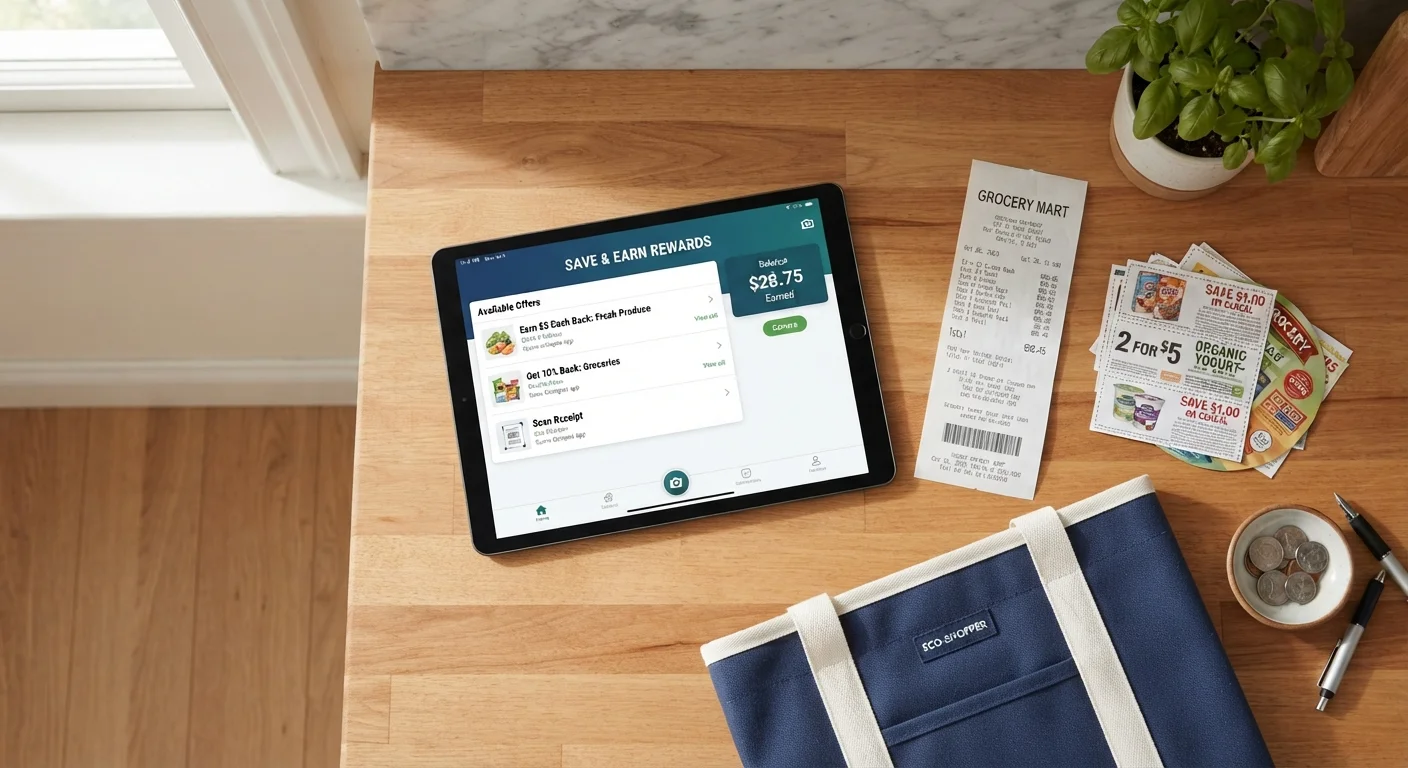
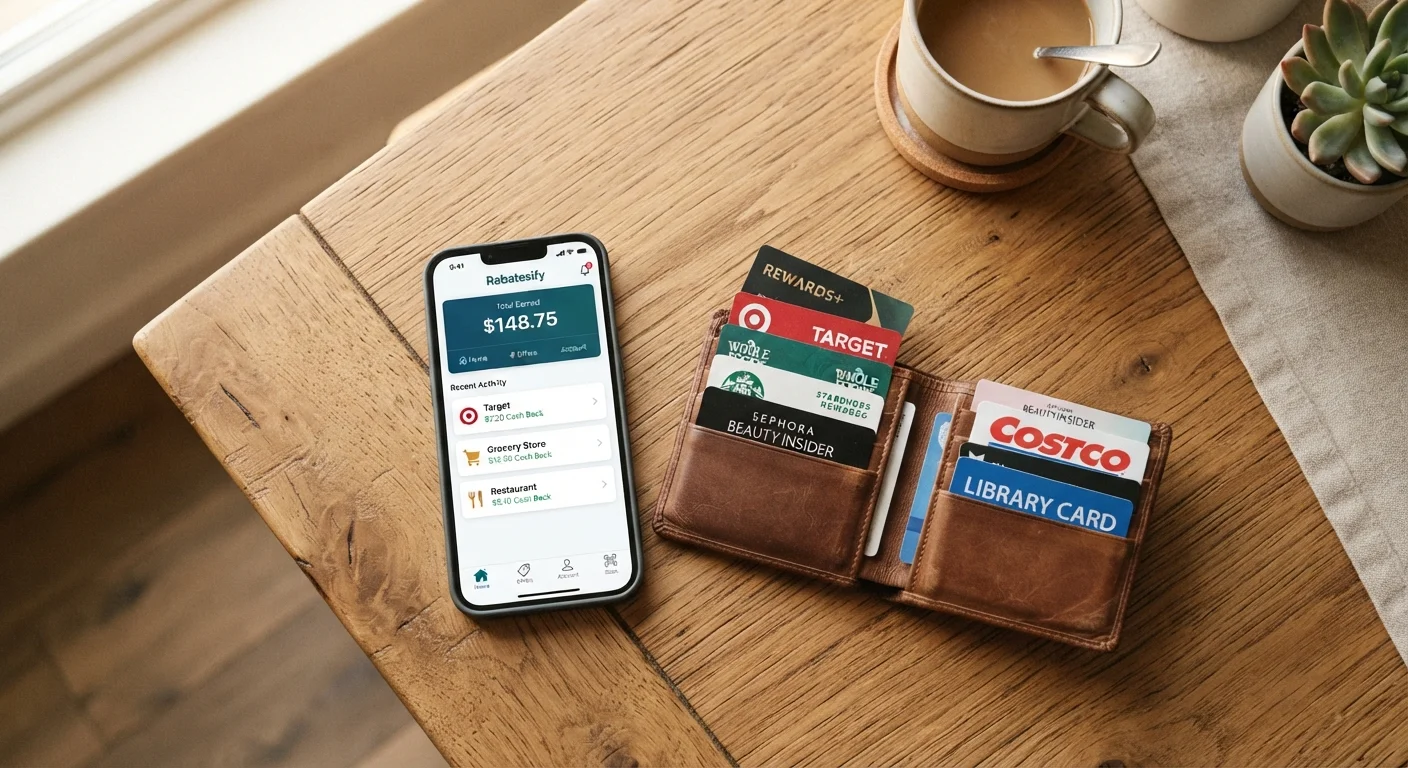
Cashback apps connect to your purchases either by scanning receipts, linking a payment card, or activating offers before checkout. After a qualifying purchase is verified, the app credits a percentage of the transaction to your account. Once you reach a minimum balance, you withdraw cash or redeem for gift cards. The savings are portable: one account can cover groceries, household supplies, and clothing across dozens of retailers.
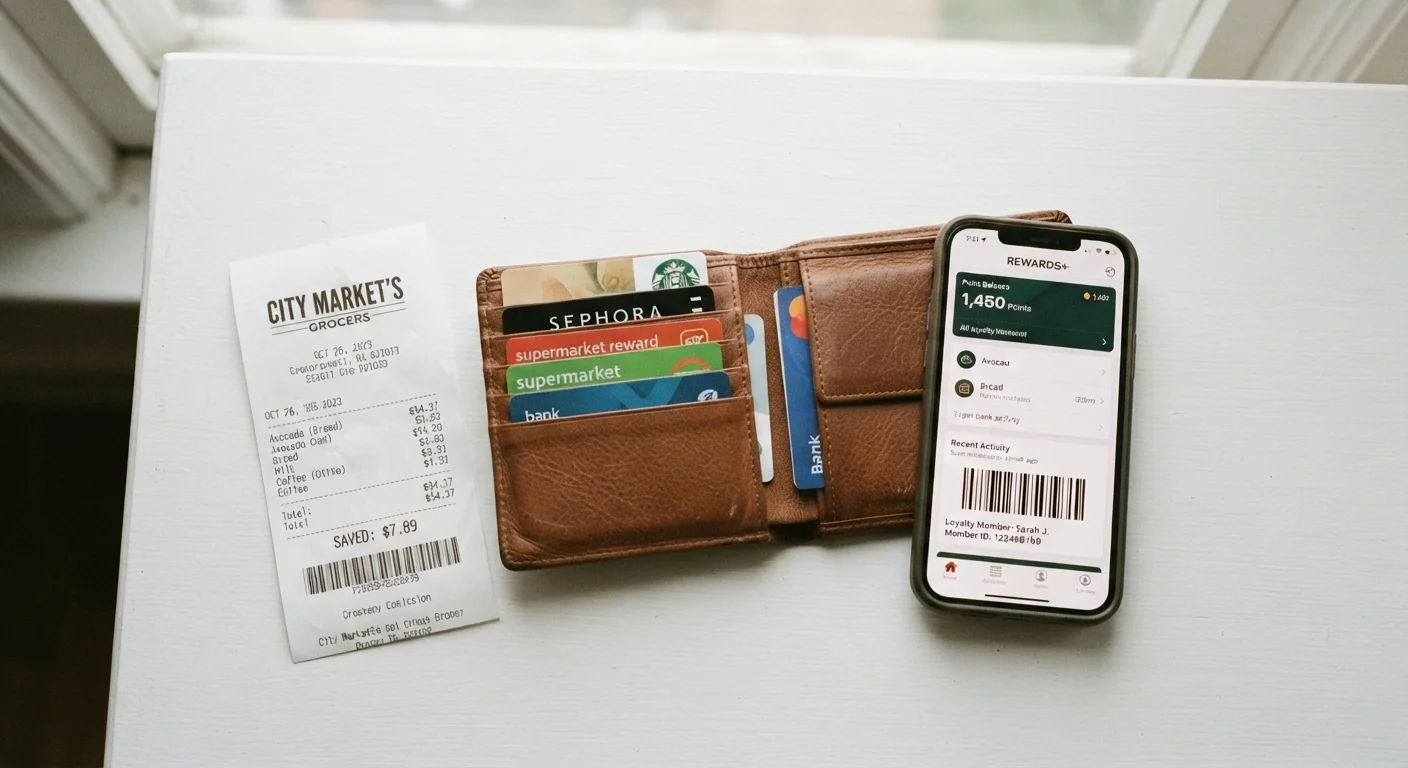
Store loyalty cards work differently. You enroll with a specific retailer, present your card or app at checkout, and earn points or access member-only prices on selected items. Points convert to store credit at a fixed rate, typically applied to future purchases at the same chain. Many grocery loyalty programs also layer in fuel discounts and digital coupons that load directly to the card. For a closer look at how points tiers and member pricing are structured, see how retailer loyalty programmes really work.
| Criterion | Cashback apps | Store loyalty cards |
|---|---|---|
| Retailer coverage | Many retailers, one account | Single retailer only |
| Reward type | Cash or gift cards | Points or store credit |
| Typical return on grocery spend | 1-5% on select items | Variable; member prices vary by chain |
| Setup effort | One app, one account | Separate enrollment per store |
| Payout flexibility | Bank, PayPal, or gift card | Store credit only |
| Expiry risk | Varies by app policy | Points can expire; program terms can change |
| Data shared | Transaction history via app or linked card | Full purchase history to retailer |
Where the real dollar differences show up
The gap between the two tools matters most at the grocery store, where a typical suburban family runs its largest recurring expense. A family spending $800 per month on groceries at one chain with a strong loyalty program can realistically see $15 to $30 in monthly statement credits through member pricing alone, before factoring in digital coupons or fuel points. That figure is consistent with publicly available program structures from major US chains, though actual results vary by store and purchase mix.
Cashback apps on the same grocery spend tend to return 1 to 5 percent on specific items or categories rather than the whole basket. The effective return on total spend is usually lower per trip, but it adds up across all spending categories throughout the month. Families who also shop at big-box retailers, specialty stores, and online platforms will accumulate more total cashback because the app follows them everywhere.
One practical consideration: loyalty card points can expire or lose value if a retailer changes its program terms, which has happened at several major chains over the past decade. Cashback balances in third-party apps are generally more stable, though the apps themselves can change payout minimums or partner lists. Neither system is entirely risk-free.
Privacy and data trade-offs
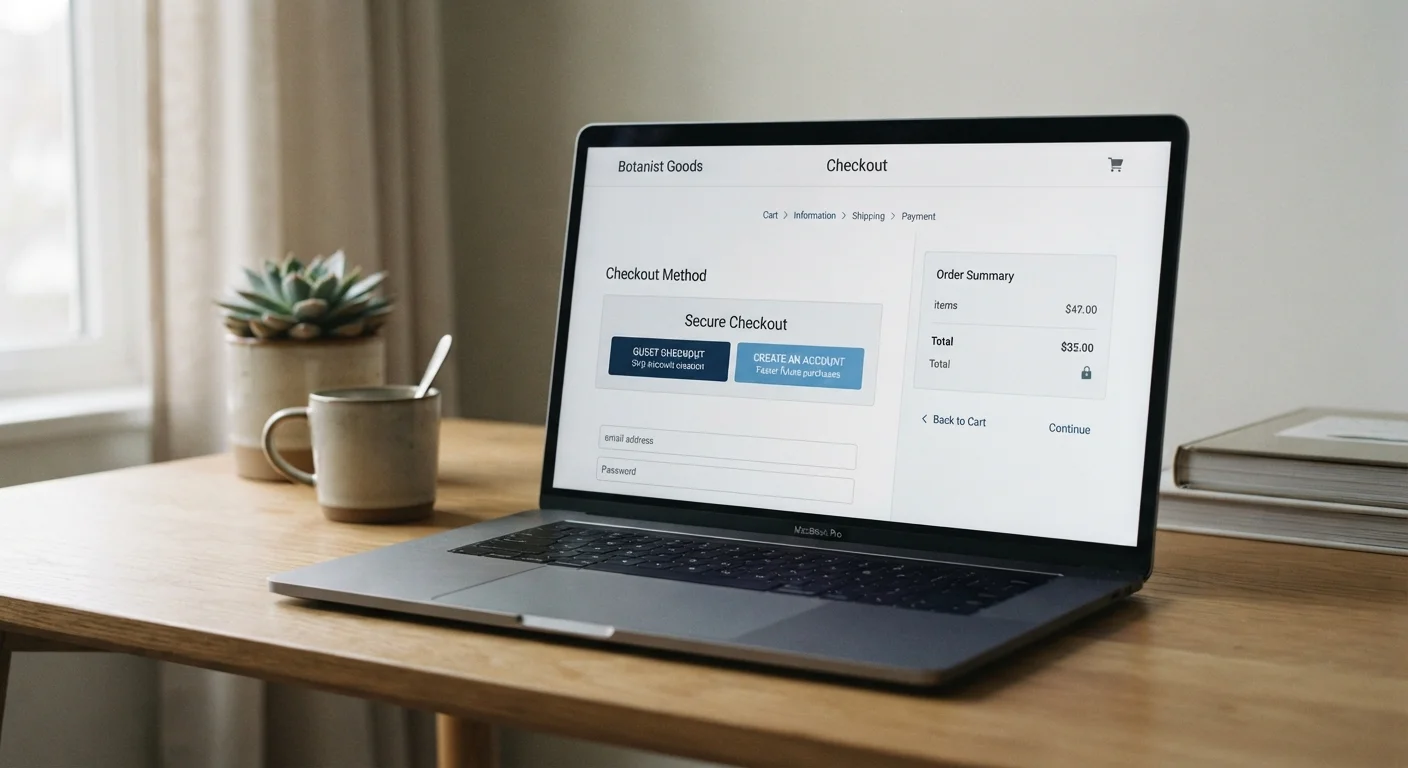
Both tools collect purchase data, and families should factor that in before enrolling. Store loyalty cards give the retailer a detailed record of your household's buying habits, which retailers use for targeted promotions. Cashback apps that link a payment card also build a transaction profile, though their data practices vary by platform. The trade-offs between account creation and privacy are worth understanding before you sign up for any savings program.
For families weighing this, the practical question is whether the savings justify the data sharing. Both tools are opt-in, and most programs publish privacy policies that describe how purchase data is used. Reading the relevant section before enrolling takes about five minutes and removes the guesswork.
Using both tools without the overhead
Many families do not have to pick one approach exclusively. A loyalty card at your primary grocer combined with a single cashback app for everything else covers most spending scenarios without requiring you to manage multiple platforms obsessively. The key is avoiding programs that demand enough behavioral change to create friction: if tracking points becomes a part-time job, the marginal savings rarely justify the time spent.
Stacking both tools on the same purchase, where a loyalty card member price reduces the total and a cashback app returns a percentage on top, can increase the effective return. Our guide to combining coupons, cashback, and store sales walks through how to do this without overcomplicating your routine. These approaches also fit naturally into the consistent saving habits that reduce everyday spending without stress.
This article is for general informational purposes only and does not constitute personalised financial advice. Savings amounts vary by retailer, program terms, and individual spending patterns. Consult a qualified financial adviser for guidance specific to your household circumstances.