Why garden myths stick around
Many garden myths survive because they contain a grain of plausibility, or because they come from someone's genuine experience in a specific garden under specific conditions. What worked once in a heavy-clay yard may do nothing useful in sandy loam. What helped one species can harm another. The problem is that garden advice rarely comes with those qualifiers attached.
For suburban families trying to keep an outdoor space presentable without spending the entire weekend on it, following inaccurate advice is a real time and money cost. The six myths below come up repeatedly in gardening conversations, and each one either does nothing useful or can actively set a garden back.
Common garden myths examined
Each of the following pairs a widely repeated belief with what the evidence actually supports. Where timing, soil type, or plant species changes the answer, those details are included.
Myth
You should water your garden a little every day to keep plants healthy.
Fact
Most established garden plants do better with deep, infrequent watering rather than shallow daily doses.
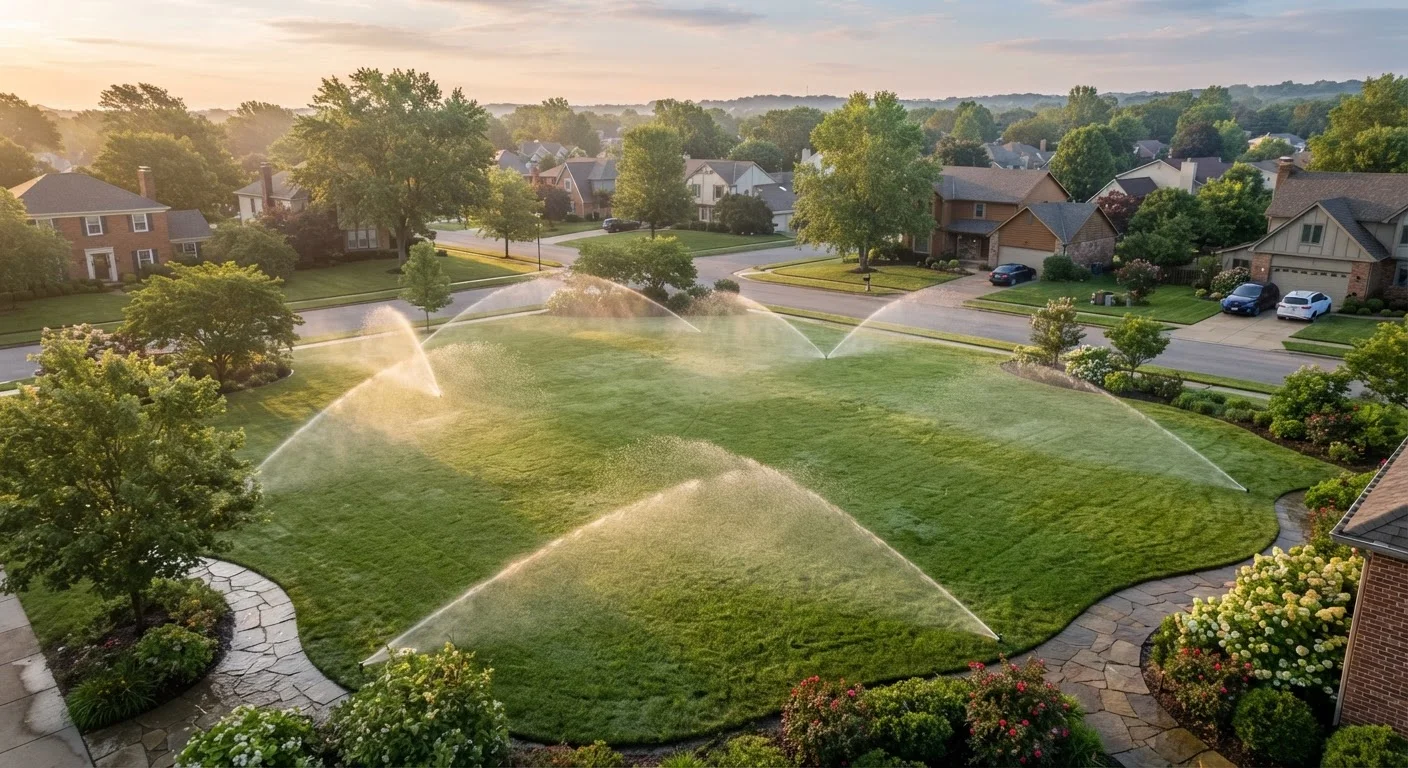
Daily shallow watering keeps moisture near the soil surface, which encourages roots to grow upward instead of down. Shallow roots make plants less stable and more vulnerable during dry stretches. Deep watering every two to three days (adjusting for rainfall and temperature) pushes moisture deeper into the soil, pulling roots down with it. For a more detailed seasonal breakdown, see lawn watering schedules by season.
Myth
Adding coffee grounds to the soil makes it more acidic and benefits acid-loving plants.
Fact
Used coffee grounds are close to pH-neutral and have a modest effect on soil acidity at typical application rates.
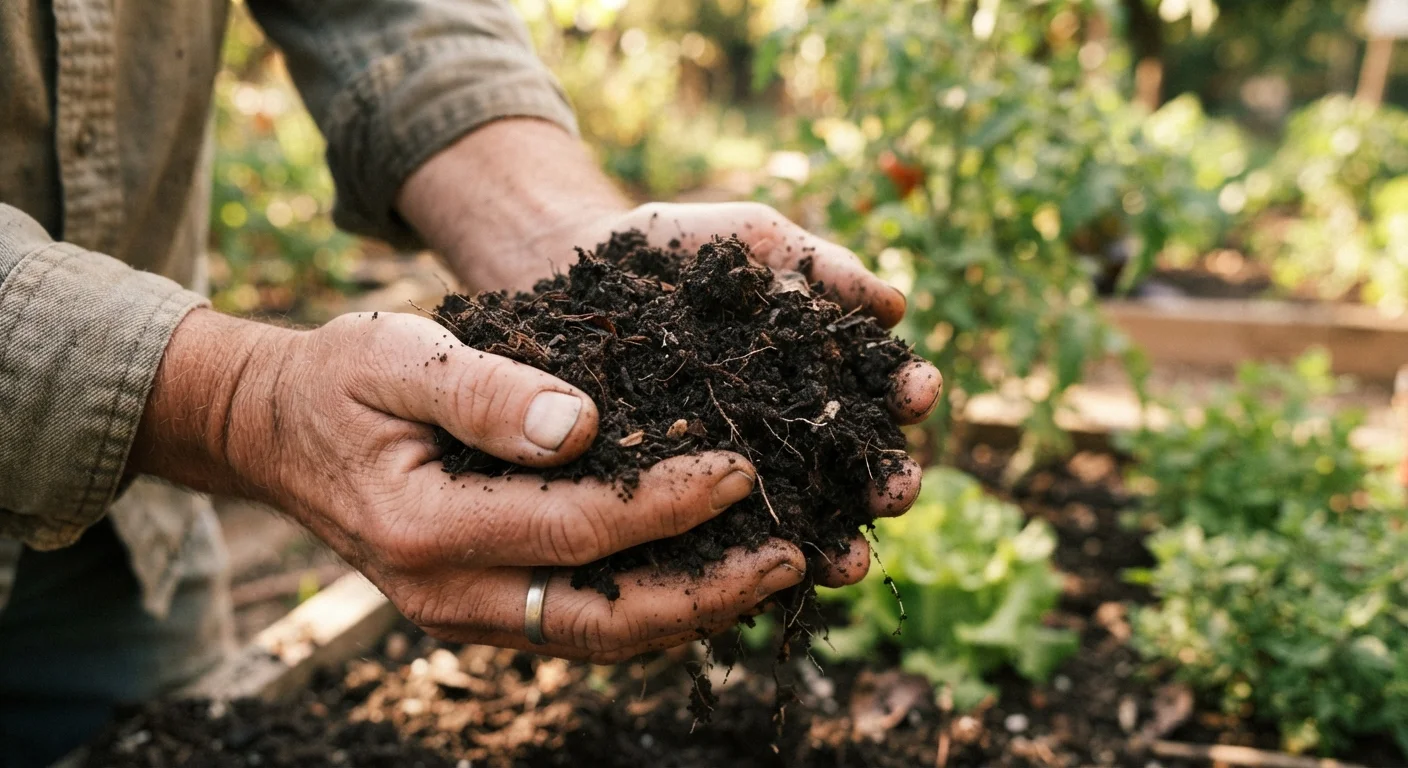
Brewed coffee is acidic, but most of that acidity stays in the liquid that gets poured down the drain. The spent grounds left behind test near pH 6.5 to 6.8 in many measurements, close to neutral. Piling them on also risks forming a dense, water-repelling crust on the soil surface. For plants that genuinely need acidic conditions, getting a soil pH test first is more reliable than relying on kitchen scraps. Understanding soil pH and organic matter can point you toward more targeted amendments.
Myth
Putting a layer of gravel at the bottom of a planter improves drainage.
Fact
Gravel at the base of a container actually raises the water table inside the pot, making the soil above it stay wetter for longer.
Water does not move freely from fine-textured soil into coarser gravel. Instead, it tends to pool at the boundary between the two materials until the finer layer above is fully saturated. This effect, sometimes called a perched water table, means roots sitting in the soil above gravel can stay waterlogged longer than if the container held only potting mix. Better drainage comes from using a well-structured potting mix, choosing containers with adequate holes, and not using saucers that hold standing water.
Myth
Pruning in fall cleans up the garden and prepares plants for spring.
Fact
Fall pruning can remove dormant flower buds on many shrubs, resulting in little to no bloom the following year.
Shrubs such as lilacs, forsythia, and many rhododendrons set their flower buds in summer and carry them through winter. Cutting them back in fall removes those buds. Most flowering shrubs respond better to pruning immediately after they finish blooming, giving the plant the rest of the growing season to set new buds. Timing varies by species, so checking the growth habit of each plant before picking up the pruners saves a lost season of flowers.
Myth
"Natural" or organic fertilizers and pesticides are always safe to use freely.
Fact
Organic inputs can still harm soil biology, runoff-sensitive areas, or non-target insects when applied in excess or at the wrong time.
Copper-based fungicides, for example, are approved for organic use but accumulate in soil and can become toxic to earthworms and microbial communities over time. Neem oil, another common organic choice, can harm beneficial insects including bees if applied when flowers are open. "Organic" describes the source of an ingredient, not a ceiling on how much damage it can do. Reading application rates and timing instructions matters just as much as it does with conventional products.
Myth
Watering plants in full sun causes leaf scorch because water droplets act as a lens.
Fact
Water droplets on leaves do not focus sunlight enough to burn plant tissue under normal outdoor conditions.
This belief has circulated for years, but controlled tests have not confirmed it as a real mechanism under field conditions. The practical reason to avoid midday watering is water efficiency: water applied to hot soil and foliage evaporates quickly, reducing how much reaches the roots. Morning watering gives moisture time to soak in before temperatures peak and allows foliage to dry before nightfall, which does reduce the risk of fungal disease. The advice to avoid midday watering is sound, but the lens-burn explanation behind it is not accurate.
For broader patterns in how popular advice can go wrong, the same logic applies in other areas: car maintenance myths and new homeowner maintenance mistakes follow a similar pattern of advice that sounds right but costs real time and money.
Putting accurate habits into practice
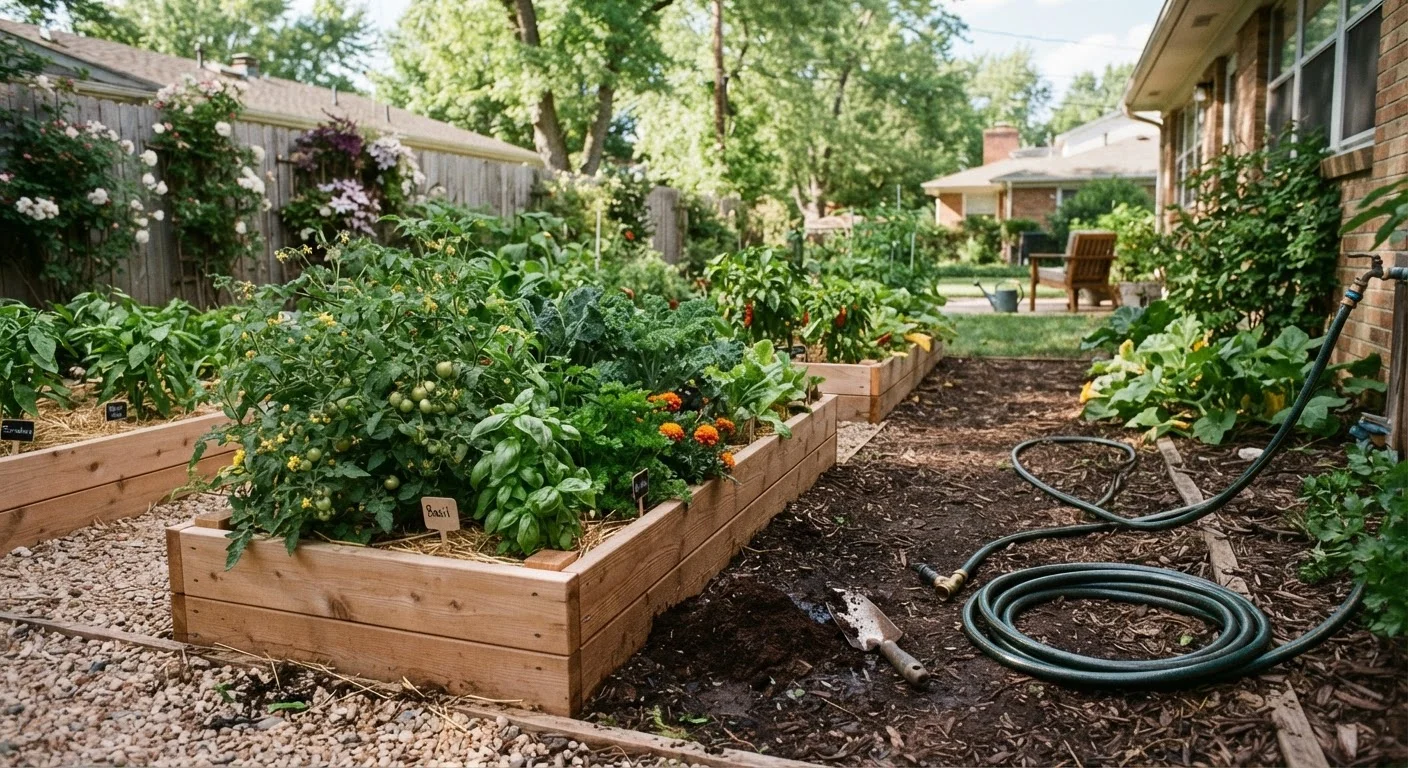
The practical shift in most of these cases is the same: observe the specific plant, test the actual soil, and match the action to what is happening rather than to a general rule. A cheap soil pH meter or a basic test kit from a garden center gives more reliable information than any generalized tip about what to add to a garden bed.
Watering less often but more deeply, timing pruning to the species rather than the season, and skipping the gravel layer in containers are all changes that take less effort than the practices they replace. Doing less of the wrong thing is often faster than doing more of the right one. For more on what your soil actually needs before you add anything to it, see soil health for home gardeners.
~6.5-6.8
Typical pH of used coffee grounds
Multiple soil science extension sources report that spent coffee grounds test near neutral pH, not the acidic level many gardeners assume.
2-3 days
Recommended watering interval for most established plants
University cooperative extension guidelines generally recommend deep, infrequent watering rather than daily shallow application for most garden plants.