
Why new homeowners fall into these patterns
Renting conditions people to wait for a landlord to act. That habit does not disappear the moment someone signs a deed. Most first-time buyers receive a home inspection report at closing, skim it, and then file it away. What they often miss is that an inspection is a snapshot, not a maintenance plan. The home starts aging the day they move in, and the clock on filters, caulking, and weatherstripping runs continuously.
The other factor is that routine maintenance is invisible when it works. Nobody notices the gutter that drained properly all winter. They only notice when the fascia board rots or the basement takes on water. That invisibility makes it easy to deprioritize.
Short, fast maintenance tasks done consistently outperform occasional marathon repair sessions. The goal is not perfection; it is a manageable rhythm that fits around family schedules.
The most common maintenance myths, corrected
The misconceptions below come up repeatedly among first-year homeowners. Each one is understandable, and each one carries real cost if it goes uncorrected.
Myth
If nothing looks broken, there's nothing to maintain.
Fact
Most serious home problems, including slow leaks, degraded caulking, and clogged dryer vents, develop silently before any visible damage appears.
New homeowners often apply a reactive approach to maintenance: wait until something fails, then fix it. The problem is that many of the costliest repairs, foundation seepage, mold growth, HVAC failure, follow months or years of invisible deterioration. A consistent schedule of inspections catches these early. The seasonal maintenance calendar approach ties tasks to specific months so nothing gets overlooked.
Myth
A home warranty covers everything the house inspection flagged.
Fact
Home warranties and homeowner's insurance are separate products with different coverage rules, and neither covers everything.
A home warranty typically covers certain appliances and mechanical systems, but only under defined conditions and after a service fee. It does not cover pre-existing conditions, cosmetic damage, or most structural problems. Homeowner's insurance covers specific perils, fire, storm damage, theft, but not routine wear and tear. Reading both policy documents carefully in the first month of ownership saves homeowners from costly surprises later.
Myth
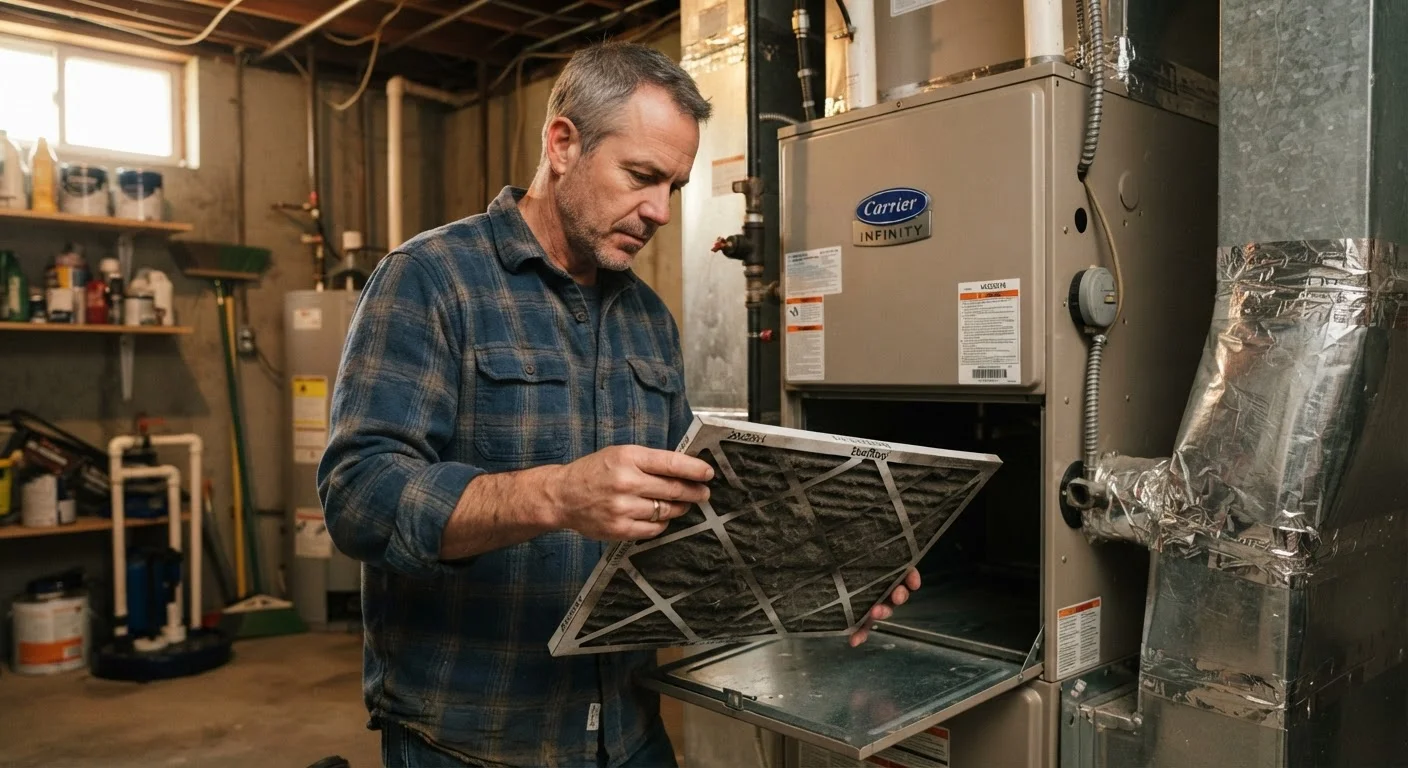
HVAC filters only need changing when the system seems sluggish.
Fact
Most residential HVAC systems need filter replacements every one to three months, regardless of perceived performance.
A clogged filter forces the blower motor to work harder, which shortens the system's lifespan and raises energy costs before any visible symptoms appear. The correct interval depends on filter type, household dust load, and whether pets are present. Thicker pleated filters last longer than standard fiberglass ones, but no filter is indefinite. Setting a recurring phone reminder or pairing filter changes with another monthly habit removes the guesswork entirely.
Myth
Cosmetic flaws like cracked grout or peeling paint are just aesthetic issues.
Fact
Many surface blemishes signal water intrusion, structural movement, or ventilation problems that worsen if left alone.
Grout failure around a shower allows moisture behind the tile, which eventually damages the substrate and framing. Paint bubbling on an exterior wall often points to moisture trapped inside the wall cavity, not just old paint. Common warning signs hidden in plain sight deserve a closer look before any cosmetic patching begins. Fixing the symptom without finding the source almost always leads to the same problem recurring within a season or two.
Myth
Gutters only need cleaning in fall after the leaves drop.
Fact
Gutters can clog from spring seeds, summer debris, and moss growth, not only autumn leaves.
In many parts of the US, spring is as problematic as fall for gutter blockages because of seed pods, pollen buildup, and early growth from nearby trees. A blocked gutter in any season directs water toward the foundation, fascia boards, and soffits. Most homes benefit from at least two cleanings per year, with a third added if mature trees overhang the roofline. A pre-winter home walkthrough is a good time to confirm gutters are fully clear before freezing temperatures arrive.
Permits and licensed trades matter
Several routine-sounding jobs, including electrical panel work, gas appliance connections, and certain plumbing repairs, typically require a permit and a licensed contractor under local building codes. Skipping this step can void your homeowner's insurance and complicate any future sale. Always verify your local requirements before starting any repair that goes beyond surface-level maintenance.
Building a low-effort maintenance habit
The practical fix for most of these myths is a written schedule that does not rely on memory. Tie tasks to seasons or to calendar anchors that already exist in your household: school year start, daylight saving time changes, or the first billing cycle of each quarter.
A month-by-month maintenance calendar gives busy homeowners a concrete reference point rather than a vague intention. For anything that involves the electrical panel, gas lines, or structural elements, budget for a licensed professional rather than treating it as a DIY project.
Maintenance myths persist partly because the consequences are delayed. A skipped filter change does not immediately break the furnace. A clogged gutter does not flood the basement overnight. That delay makes it easy to conclude the task was never necessary. The record of a home that has been consistently maintained, with receipts and dates, also has practical value when it comes time to sell.
If you own a vehicle and want to see how similar patterns play out with car care, the car maintenance myths article covers the same type of deferred-cost thinking in a different context.