What young children actually experience at theme parks
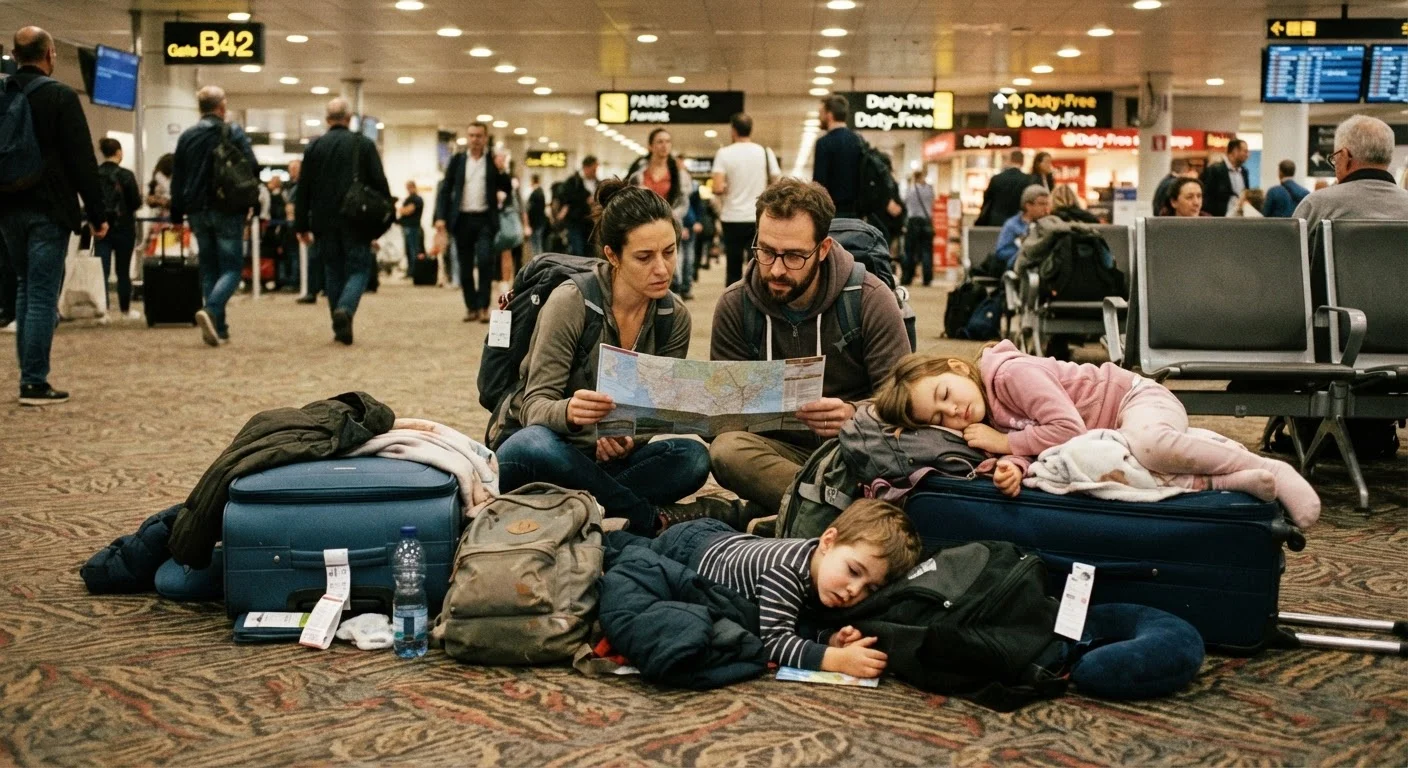
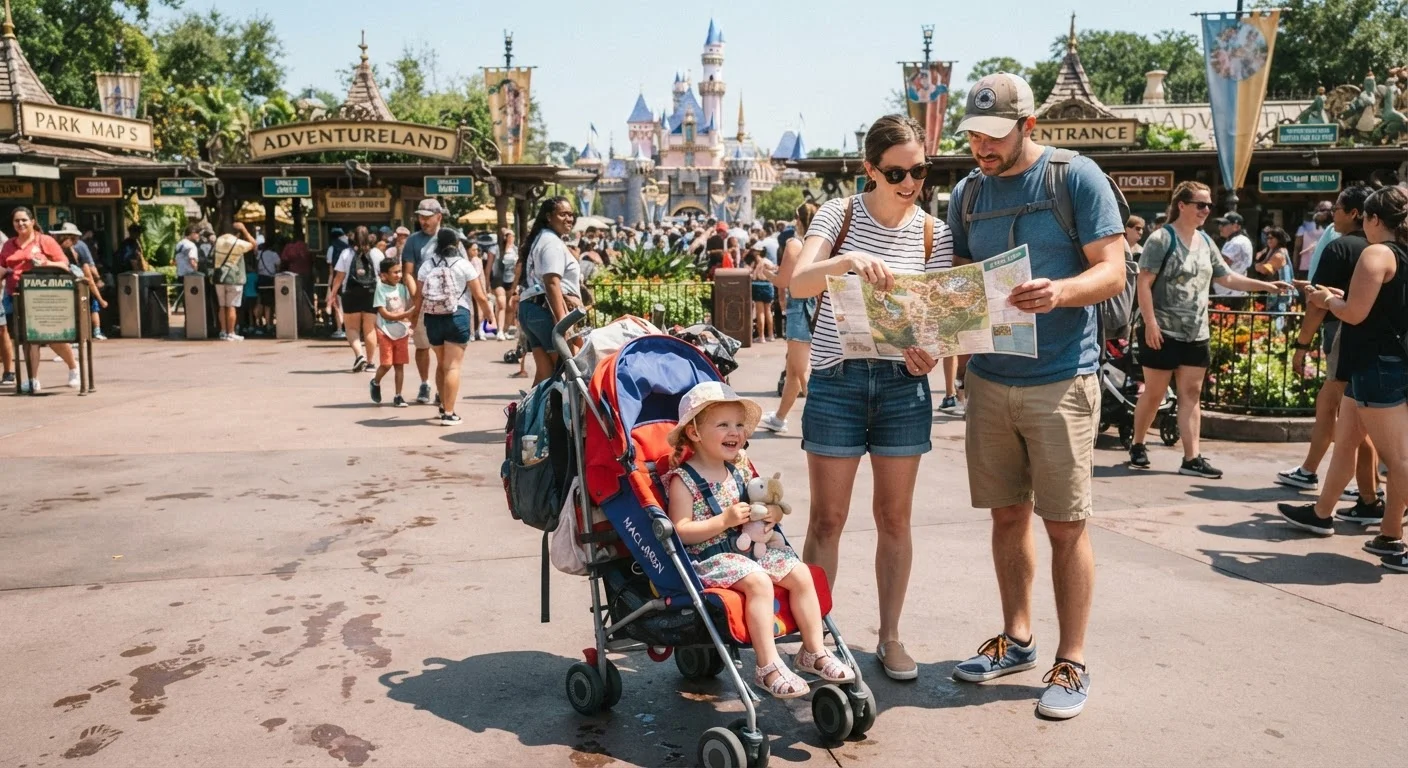
Theme parks are designed for a broad age range, but the environment itself, large crowds, amplified sound, unfamiliar food smells, and long stretches of walking on hard pavement, is genuinely taxing for children under five. A three-year-old who loves cartoon characters at home may shut down entirely when the same character appears at full costume height in a noisy crowd.
Parents often plan around what they want their child to love rather than what the child can actually process. That gap between expectation and experience is where most difficult days begin. Before booking, consider whether your child handles new environments calmly, recovers from missed naps without major distress, and can wait ten minutes without a significant meltdown. Those three factors predict theme park outcomes more reliably than the child's stated enthusiasm in the weeks before the trip.
Contrast this with lower-stimulation alternatives. National park road trips give young children open space, flexible pacing, and no admission queues, which suits some temperaments far better than a structured park day.
Height limits, ride access, and managing expectations
Height requirements exist for safety, and no amount of advance planning changes them. A child who measures 40 inches clears rides with a 36-inch minimum but is excluded from anything requiring 44 inches or above. At most large parks, that restriction eliminates a significant portion of the marquee attractions.
Measure your child at home before the trip and cross-reference that number against the park's published height chart. This prevents the specific scenario where a child watches an older sibling board a ride they cannot join, which is one of the most common triggers for a difficult afternoon.
Ask about rider swap at guest services
Rider-swap availability and procedures vary by park and even by individual attraction. Confirm the policy when you arrive rather than discovering the program does not apply to a specific ride after you have already waited in line. Some parks require all party members to enter the queue together for the swap to work, which affects how you manage the non-riding child during the wait.
Rider-swap programs reduce the logistical problem of height restrictions for two-adult families. One adult rides while the other waits with the child, then the adults switch. The second adult typically skips the standby line. Ask at guest services when you arrive because the process differs by park and sometimes by individual ride.
For families where one child qualifies for rides and a younger sibling does not, identifying the younger child's own anchor attractions in advance, typically character experiences, gentle dark rides, and splash areas, prevents the younger child from spending the day feeling excluded.
Crowd patterns and the best times to visit
Attendance at major US theme parks follows predictable seasonal patterns. Summer weekends and school holiday weeks draw the heaviest crowds, which means longer waits, fuller restaurants, and less physical space for strollers and slow-moving toddlers. Weekdays in the shoulder seasons, roughly January through early March and again in September and October outside of fall break, tend to see shorter lines.
36-54"
Height range for most theme park ride restrictions
Major US parks publish individual ride height minimums on their official websites, typically spanning this range depending on ride intensity.
Half day
Recommended visit length for children under 4
Child development practitioners and experienced family travel planners generally suggest capping visits at 4 to 5 hours for toddlers to avoid fatigue-driven meltdowns.
2 hrs
Window of lightest crowds after park opening
Crowd pattern data from third-party park tracking resources consistently shows the first two hours after opening as the lowest-wait period of the day.
Arriving at park opening is the single most effective crowd strategy for families with young children. The first two hours typically see the lightest attendance before day-trip visitors arrive mid-morning. Planning to leave by early afternoon also sidesteps peak heat and the fatigue that accumulates by hour six of walking.
Families traveling in summer should build in a midday break, either returning to a hotel for nap and pool time or finding a shaded, air-conditioned space inside the park. Pushing through a toddler's exhaustion to fit in more rides rarely produces good memories.
Pacing strategies that actually work
The itinerary problem in theme park planning mirrors the broader family travel problem described in why so many family trips fall flat: parents pack in too much and the schedule collapses by midday. With young children, four to six planned stops is usually the ceiling before fatigue wins.
Build the day around the child's existing rhythm rather than the park's layout. If your child normally naps at 1 p.m., that time slot should be protected rather than filled with a second lap around the park. A half-day trip that ends on a positive note is measurably better than a full day that ends with a meltdown and a long walk back to the car.
Stroller access is worth confirming before arrival. Most parks accommodate standard-width strollers on paved paths but restrict them inside ride queues and some indoor venues. A compact, lightweight stroller is easier to maneuver through crowds than a full travel system. Check the park's official stroller policy, since some parks rent strollers on-site if traveling light is not practical.
For a broader framework on what makes a destination actually work for families with young children, see what makes a US destination genuinely kid-friendly.