Why the stop strategy matters as much as the route
Most families spend real time planning the destination and almost none planning the gaps in between. That imbalance is where road trips go sideways. A poorly timed stop on an unfamiliar interchange, a gas station with no shade and nowhere to walk, or pushing through two hours past when anyone was comfortable all add cumulative stress that builds through a multi-day drive.
The complete road trip planning guide covers route selection and logistics broadly; this article focuses specifically on stopping decisions because they deserve their own treatment. Where you stop, how long you stop, and what you stop at shape the mood of everyone in the car for the next leg.
Research from the National Highway Traffic Safety Administration consistently links drowsy or fatigued driving to crash risk, and fatigue accumulates faster with kids in the car. The goal here is not to slow the trip down; it is to make the drive itself tolerable, even enjoyable, for everyone.
Using rest stops well
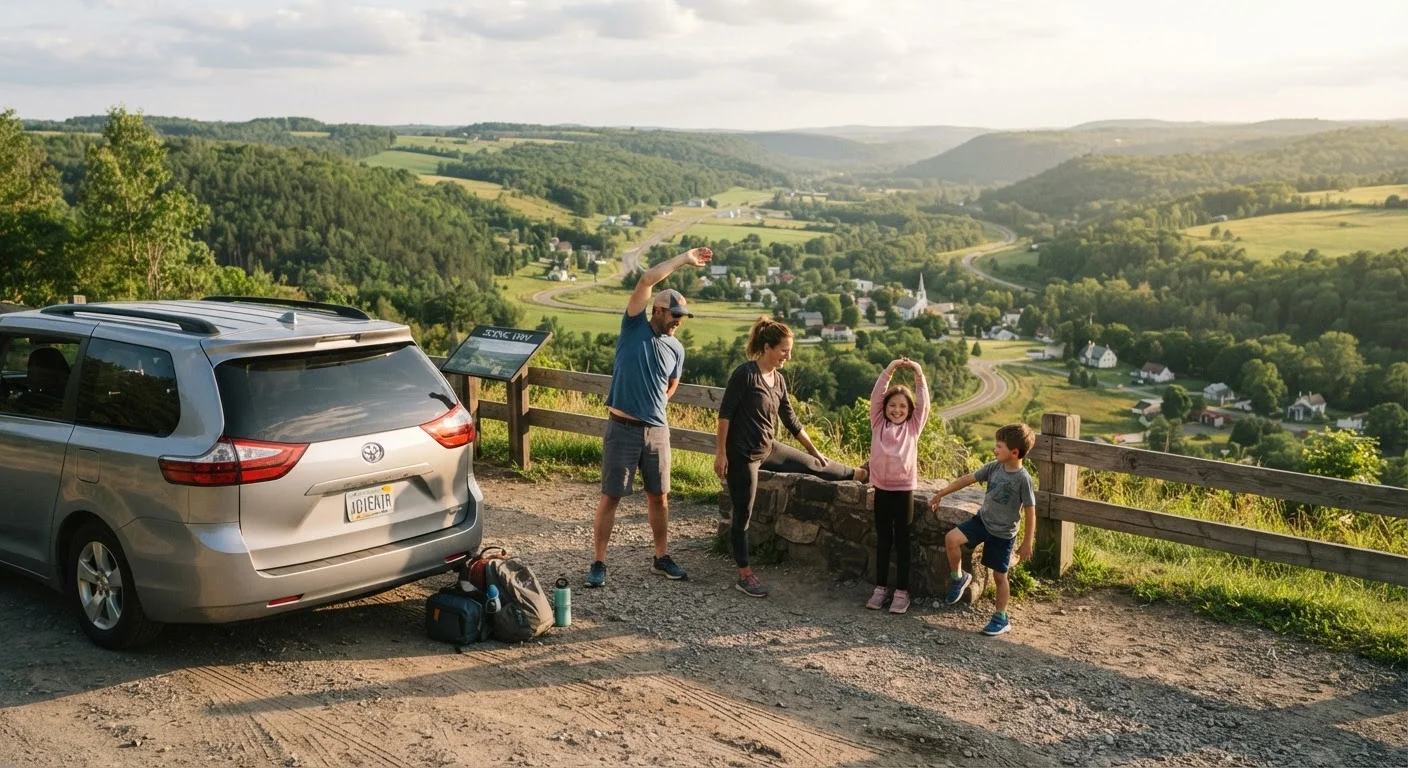
Interstate rest areas are underused by most families beyond a bathroom stop. Many have covered picnic areas, dog walks, and vending machines, and they cost nothing. The better ones, particularly in states like Virginia, Colorado, and Minnesota, have visitor information desks staffed with genuinely useful local knowledge.
The practical limit on rest stops is that they are not all equal. Some are aging facilities with poor lighting and limited parking. Checking your state's Department of Transportation website before departure gives a quick read on which stops have been renovated and which are scheduled for closure. That five-minute check prevents a 20-minute detour to a locked facility.
Plan a rest stop roughly every 90 minutes when traveling with children under 10. That cadence is not arbitrary; it aligns with typical attention spans and bladder capacity for that age group, and it keeps the driver from compounding fatigue. Set the next stop in navigation before you pull back onto the highway, so nobody is making decisions at 70 mph.
Pack a stop bag for quick exits
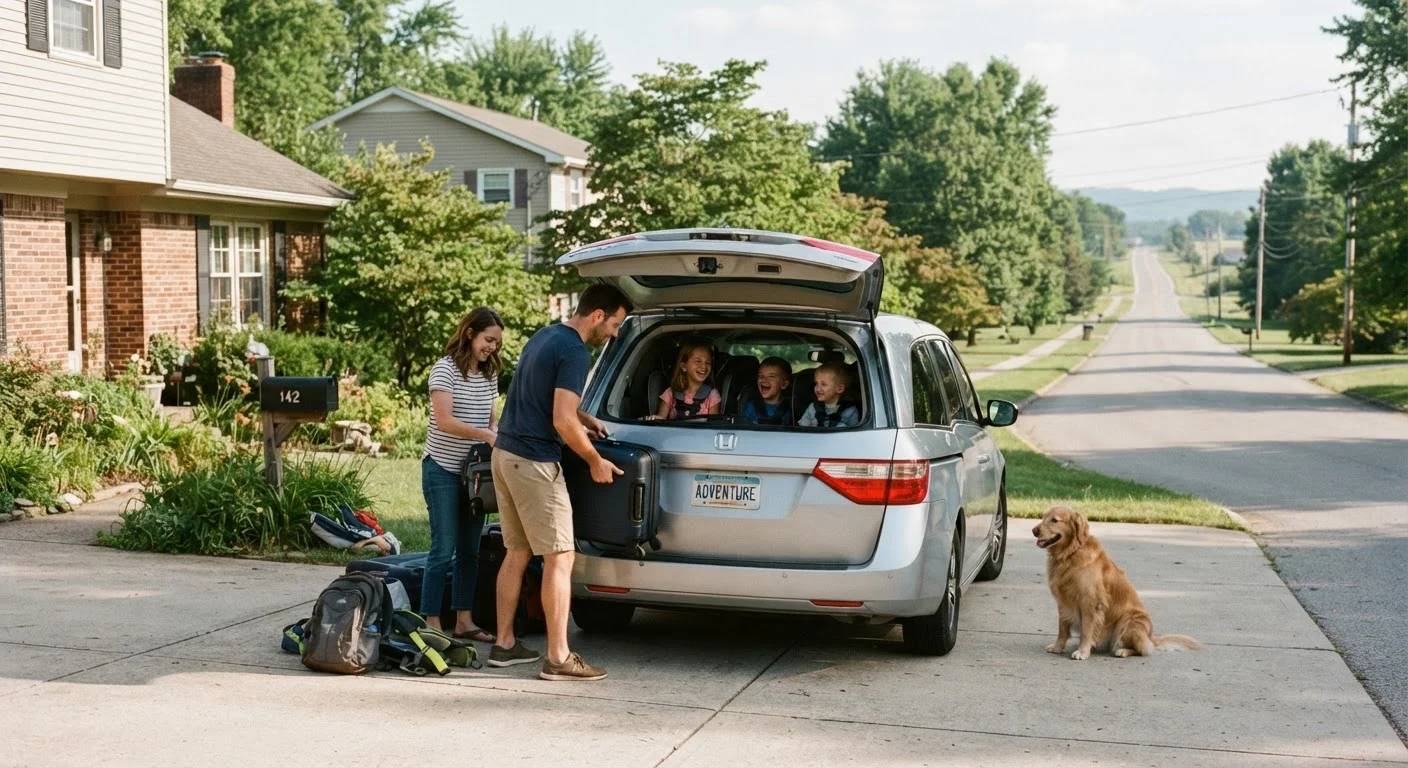
Keep a small bag in the backseat with a frisbee, a snack container, sunscreen, and a change of clothes for the youngest child. Being able to exit the car and be ready within two minutes makes short stops actually short. Digging through the trunk for gear at every stop adds 10 to 15 minutes per break across a full driving day.
State parks as the most underrated stop on any US drive
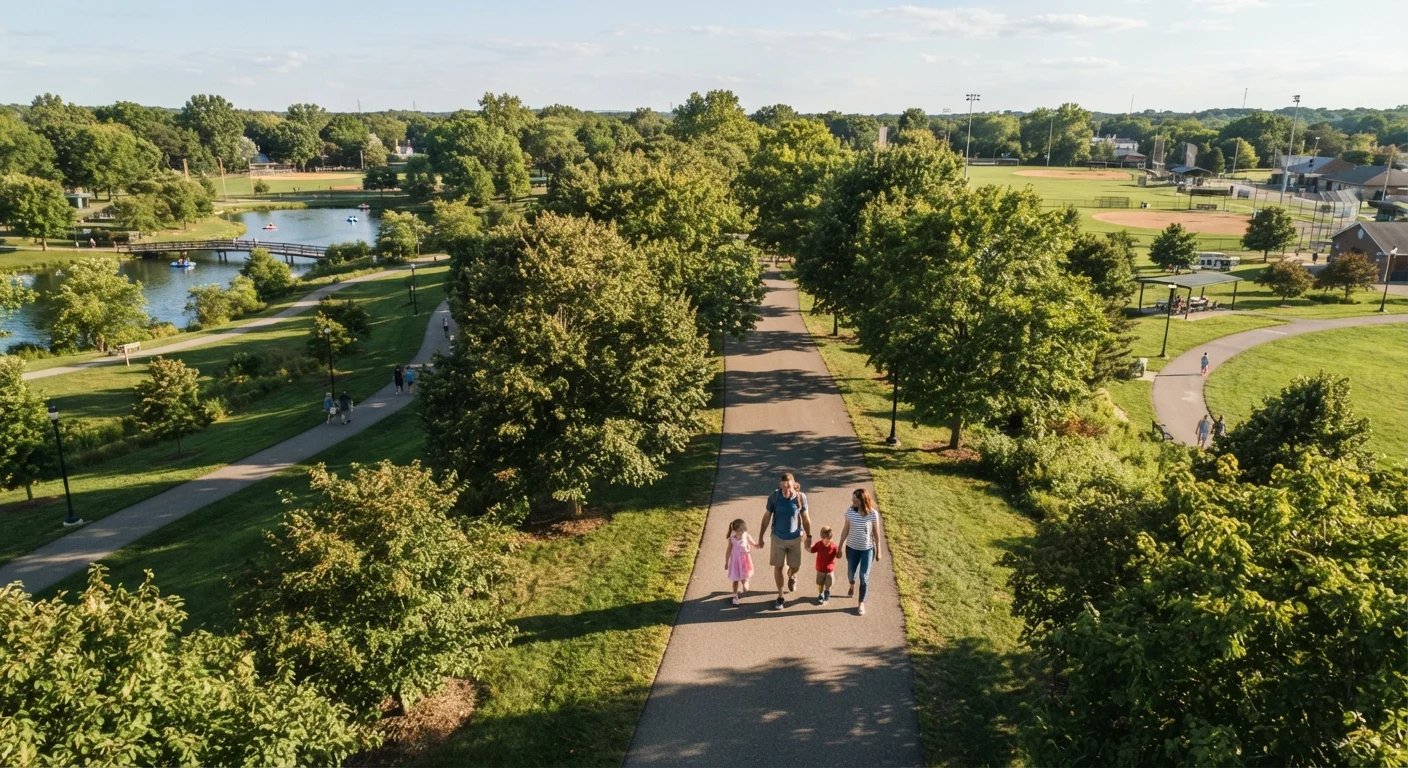
State parks with day-use areas are the most practical free stop most families skip. The entrance fee, where it exists, is often $5 to $10 per vehicle, and many states waive day-use fees at certain parks entirely. What you get in return: a picnic table, a real restroom, a trail that takes 20 minutes to walk, and space for kids to move in a way that a parking lot cannot provide.
When planning a route, pull up the state parks map for each state you cross and look for parks within five miles of your highway corridor. A 10-minute detour to a lakeside state park beats a 30-minute sit at a fast-food restaurant for resetting everyone's mood. The national parks guide covers overnight-worthy destinations; state parks fill a different role as low-commitment, high-payoff mid-drive breaks.
For families with a dog or a toddler who needs to run, a grassy state park area is almost always a better choice than a commercial truck stop. Print or download a list of day-use parks along your corridor before you lose cell signal.
Small towns: slower, cheaper, and often more memorable
Highway interchange towns exist to capture travelers in a hurry. The fuel is priced for captive buyers, the food options are chains, and there is nothing to look at. Small towns two to five miles off the exit are a different situation entirely.
Fuel in small towns is routinely 10 to 20 cents per gallon cheaper than at major interchange stations, a real difference on a long trip. Local diners in those towns are almost always faster at lunch than a full-service chain restaurant during peak travel hours, and they cost less per person. For families watching spending, everyday saving strategies apply on the road just as they do at home; choosing a diner over a highway chain is one of the simplest examples.
The less obvious benefit is that stopping in a small town gives kids a sense of place. A county courthouse square, a local bakery, a five-minute walk down a main street: those details stick in memory in a way that a franchise parking lot does not. See what makes a destination genuinely kid-friendly for a framework that applies at scale to stops as well as full destinations.
Putting the stop plan together before you leave
A workable stop plan for a typical 8-hour driving day looks like this: three to four planned stops, each mapped before departure, with at least one that is not a commercial gas station. The first stop should come within 90 minutes of departure, when energy is still high and the stop is brief. The midday stop is the longest, ideally 45 to 60 minutes at a state park or small-town diner. The late-afternoon stop is a quick 15-minute stretch at a rest area before the final push.
Map this out the evening before using your route in a navigation app, dropping pins at each planned stop. This takes about 15 minutes and eliminates almost all in-car negotiation about when and where to stop. Children do better with predictability; knowing "we stop at the lake park after lunch" removes the repeated "are we stopping soon?" cycle.
For the overall shape of your trip and how stop strategy fits into broader route decisions, the scenic routes versus interstates guide is worth reading alongside this one. Scenic routes naturally build in more stopping opportunities; interstates require you to be more deliberate about where you exit.
Map every planned stop the night before departure, not during the drive.
In-drive decision-making about stops adds stress and often leads to poor choices made at speed. Pre-planning removes that friction entirely and gives children a predictable schedule.
Include at least one non-commercial stop per half-day of driving.
Commercial stops are designed for speed, not recovery. A state park or town square gives kids physical movement and sensory variety that genuinely resets their patience for the next leg.
Check state DOT websites for rest area conditions before crossing each state line.
Rest area quality and availability varies significantly by state and season. A closed or unsafe facility mid-route forces a reactive stop that wastes more time than the upfront check would have taken.
Set the next stop in navigation before pulling back onto the highway.
Deciding where to stop while already moving creates distraction and often means settling for whatever comes first rather than the best option. Locking in the next pin at the current stop keeps the plan intact.
Ask locals at rest areas or diners for the fastest fuel and food options nearby.
State tourism volunteers and diner staff know the area in real time. They often know which gas station is cheapest that day, which road has construction, and which local attraction is worth a 10-minute detour.