Why D.C. works well for families
Washington D.C. has an unusual characteristic for a major city: most of its marquee attractions cost nothing. The 19 Smithsonian museums and galleries, the National Zoo, and the monuments along the National Mall are all free. For a family of four, that removes a category of expense that often dominates urban trip budgets.
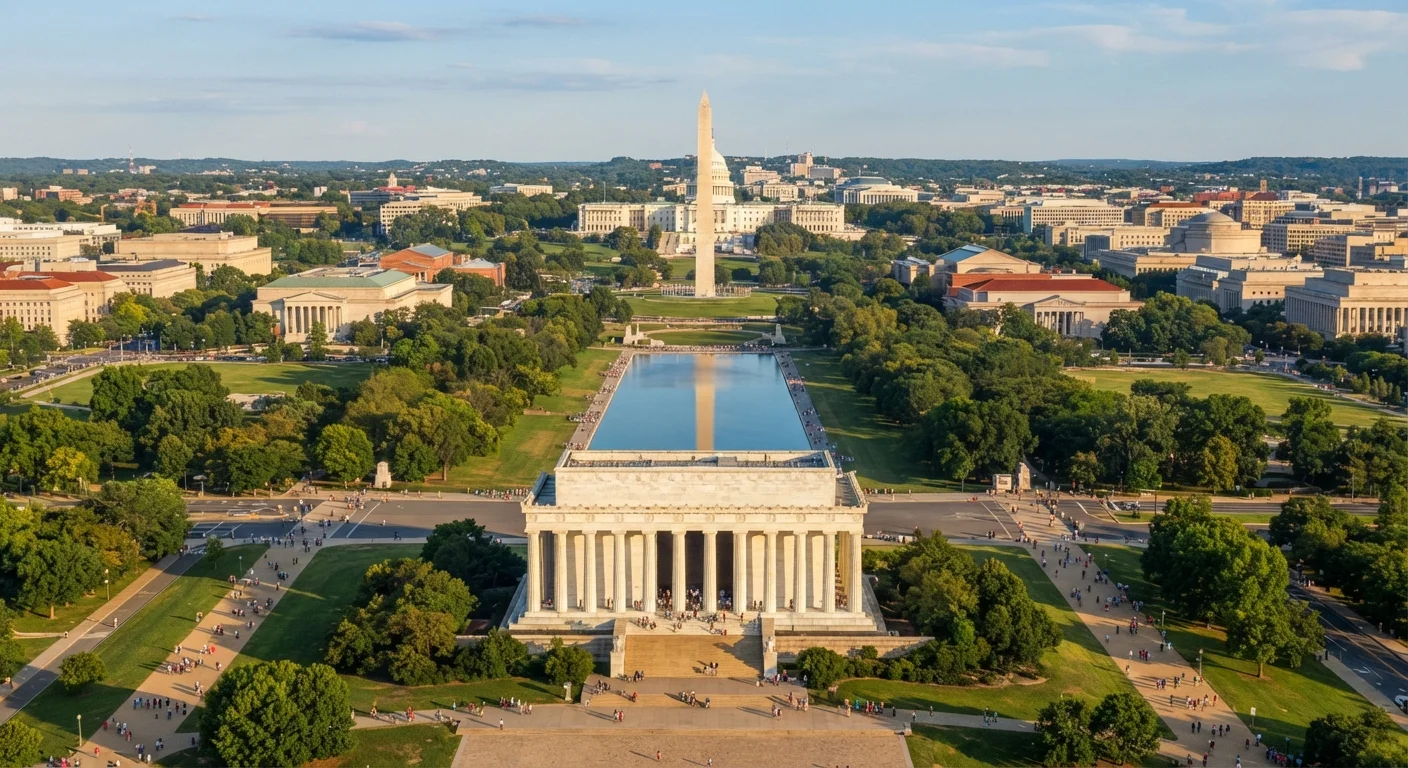
The city's physical layout also helps. The Mall is a long, flat corridor that connects the Lincoln Memorial, the Washington Monument, the Capitol, and a cluster of museums within reasonable walking distance of each other. Children who are old enough to walk a few miles can cover a lot of ground without needing transportation between stops.
What makes a destination genuinely kid-friendly comes down to safety, accessibility, and the right balance of activity and rest. D.C. scores well on the first two, though the pacing piece requires deliberate planning.
Book timed passes before you finalize dates
Several high-demand sites, including the Washington Monument, issue free timed entry passes that fill weeks in advance. Check pass availability for your target dates before committing to accommodation bookings. This is one case where flexibility in your travel dates can save a significant hassle.
Getting there and getting around
Three airports serve the D.C. area: Ronald Reagan Washington National (DCA), Dulles International (IAD), and Baltimore/Washington International (BWI). Reagan National is the closest to downtown and has direct Metro access, which matters when you are managing luggage and children. Dulles and BWI both require a bus or rideshare connection to reach the city core.
The Washington Metro covers the main tourist areas well, but it has practical limits for families. Escalators at many stations are steep and long; strollers require folding on escalators at some stations, and not all exits have elevators. Before your trip, identify which station exits have elevator access if you are traveling with a stroller or a child with mobility needs. The WMATA website publishes real-time elevator status.
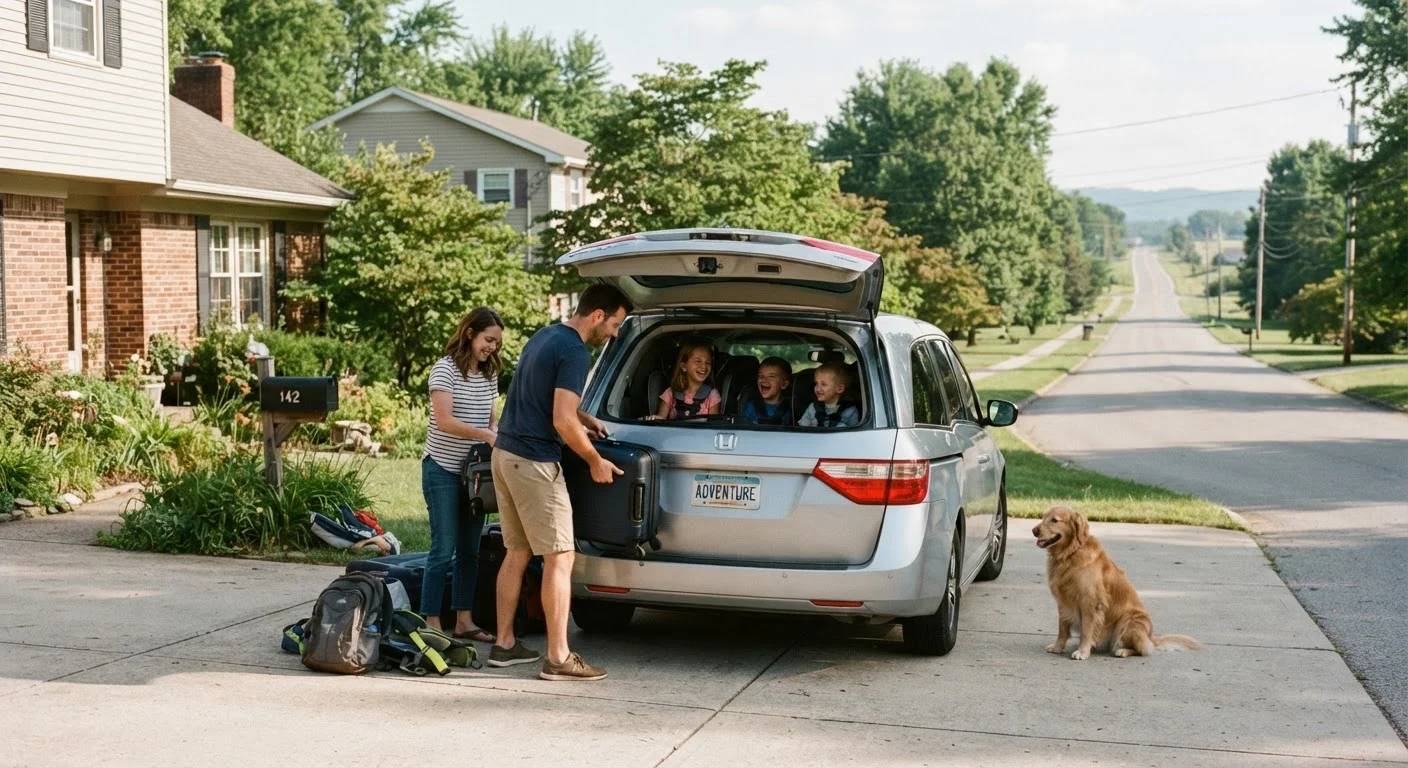
For families staying in Virginia suburbs, driving into the city on weekends (when parking garages near the Mall tend to be less congested) is workable. On weekdays, Metro is generally faster than driving. If you are road-tripping into D.C. as part of a longer itinerary, see the family road trip planning guide for how to structure the approach.
Where to focus your time
With limited days and children of different ages, narrowing the list is more useful than trying to cover everything. The sites below consistently hold attention across a wide age range.
National Air and Space Museum
The Air and Space Museum on the Mall has actual spacecraft, flight simulators, and exhibits scaled to be accessible for children around age 5 and up. It draws large crowds; arriving at opening time (generally 10 a.m.) reduces wait times noticeably.
National Museum of Natural History
The Natural History Museum's dinosaur hall and ocean hall are reliable crowd-pleasers for school-age kids. The Hope Diamond display is popular with adults and older children. The building has good stroller access and a cafeteria on the lower level.
Lincoln Memorial and the Reflecting Pool
The Lincoln Memorial is accessible at any hour and has no timed entry requirement. Walking the full length of the Reflecting Pool (roughly 2,000 feet) is a longer haul than it looks on a map; factor that into foot-traffic planning, especially with younger children.
National Zoo
The Smithsonian's National Zoo in Rock Creek Park is free and has good animal density for the size of the grounds. It is a significant uphill walk from the Connecticut Avenue entrance to the top of the zoo, so stroller or wagon use is practical here. Timed entry passes are not currently required but availability and policies change; check the zoo's website before your visit.
The Capitol building offers free tours but requires advance reservations through a congressional office. The process takes time, so if a Capitol tour is a priority, initiate the request several weeks before your trip.
Pacing the trip realistically
A common mistake in D.C. itineraries is treating the free admission as a reason to schedule five or six sites per day. One large museum with young children will fill three to four hours when you account for exhibits, bathroom stops, a meal, and walking between buildings. Two museums in a day is a reasonable ceiling for children under 10.
Overpacked itineraries are the most common reason family trips go wrong. Building in an afternoon with no fixed plan, a picnic on the Mall, or a slower morning gives children time to recover and reduces the probability of meltdowns by the third day.
Spring (late March through May) and early fall (September through October) have the most tolerable weather. Cherry blossom season in late March and early April draws very large crowds; if that is your target window, book accommodations and any ticketed sites well in advance. Summer heat in D.C. is real, with high humidity; midday outdoor walking with young children in July or August requires frequent water and shade breaks.
19
Free Smithsonian museums in the D.C. area
The Smithsonian Institution operates 19 museums and galleries in Washington D.C. and New York, with no general admission charge.
~1.9 miles
Length of the National Mall
The National Mall stretches roughly 1.9 miles from the Lincoln Memorial to the Capitol, a distance families should account for when planning walking routes.
Practical logistics before you leave
Several D.C. sites now require timed entry passes that are free but must be reserved in advance. As of recent years, the Washington Monument requires passes (available through recreation.gov), and the Museum of the Holocaust has required timed passes for some exhibits for many years. Passes for the most popular time slots fill quickly, sometimes weeks out.
Accommodation costs in D.C. vary significantly by neighborhood and proximity to the Metro. Families staying in Maryland or Virginia suburbs and commuting in by Metro can reduce nightly rates. The tradeoff is additional transit time each day, which matters more with young children.
Use the family vacation planning checklist to work through logistics like travel insurance, any relevant entry documentation, and age-specific considerations before finalizing your plans.
Dining near the Mall skews toward cafeteria-style museum food and food trucks, which are practical with kids but limited in variety. Neighborhoods like Capitol Hill, Penn Quarter, and Dupont Circle have broader options a short Metro ride away.
This article is for general informational purposes. Prices, hours, entry requirements, and operational details for sites mentioned can change. Verify current conditions directly with each attraction and with official sources before your trip.