
What you actually pay with an all-inclusive resort
The advertised nightly rate at an all-inclusive covers meals, drinks, and most on-site activities for every guest. For a family of four spending seven nights, that single number can look alarming, but it absorbs costs that would otherwise appear as separate line items: breakfast, lunch, dinner, snacks, non-alcoholic beverages, pool access, kids' club programming, and often nightly entertainment.
Where the math gets complicated is in what the rate does not cover. Many resorts charge separately for excursions off the property, spa treatments, premium restaurants, motorized water sports, and airport transfers. Some apply child surcharges that are not visible in the headline rate. Before comparing any all-inclusive to a DIY budget, you need the fully loaded cost. See the full breakdown of resort add-ons that inflate the actual price.
Resort fees are a separate category. Many all-inclusives at US domestic destinations, particularly in Mexico, the Caribbean, and Florida, add a daily resort fee on top of the room rate. These typically run $25 to $60 per night and are sometimes not included in the quoted all-in price.
| Criterion | All-Inclusive Resorts | DIY Itineraries |
|---|---|---|
| Upfront cost predictability | High: most costs paid in advance | Low to moderate: many variables remain open |
| Food and beverage costs | Included in rate | Paid separately; highly variable |
| Activity costs on-site | Mostly included | Paid per activity or per venue |
| Off-property excursions | Usually extra cost | Full flexibility; priced individually |
| Savings potential for large families | Strong: child discounts common | Moderate: scales less predictably |
| Planning time required | Low: book one package | High: multiple components to research |
| Flexibility during the trip | Low: tied to one property | High: adjust as needed |
| Risk of budget overrun | Low if extras are avoided | Moderate to high without close tracking |
How DIY trip costs actually stack up
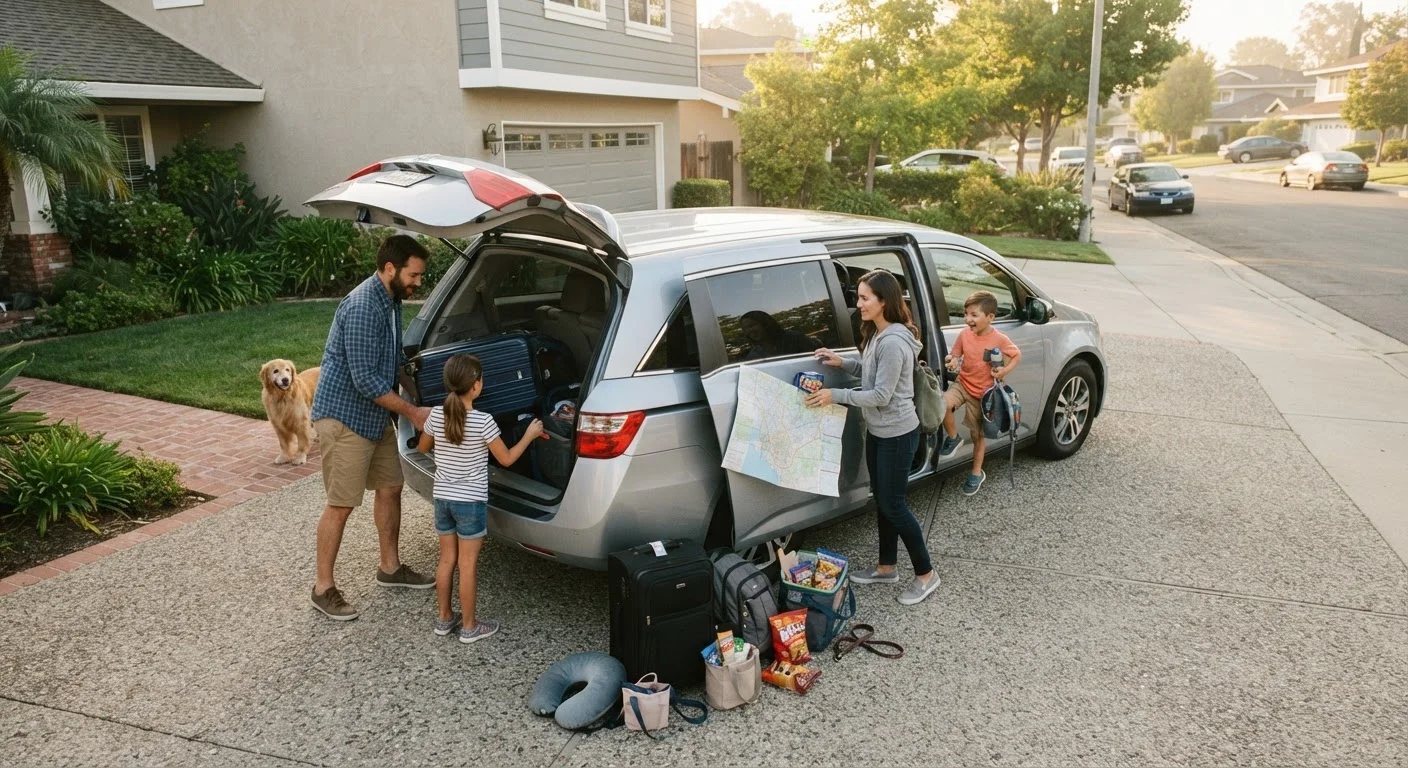
A self-planned family trip combines flights or fuel, lodging, meals, activities, and ground transportation into one total. None of those categories has a fixed ceiling. That flexibility is the appeal, and the risk.
Lodging through vacation rental platforms or hotel booking sites often costs less per night than a comparable resort room, particularly for families needing two bedrooms. Cooking some meals in a rental kitchen can reduce food costs by 40 to 60 percent compared to eating every meal at a restaurant. Those two factors alone can put a DIY week within $500 to $1,000 of a mid-tier all-inclusive for a family of four.
The catches appear in smaller costs that compound quickly: airport parking, baggage fees, daily activity admissions, tipping at restaurants, and transportation between sites. Families who underestimate these categories routinely overshoot their DIY budget by 20 percent or more. The real cost categories in a family road trip illustrate how fast variable expenses accumulate even on a domestic drive.
Timing matters as much as structure. Families with schedule flexibility who avoid peak school-break windows can find lodging 30 to 50 percent cheaper than the same property during July or spring break. The pricing windows when costs genuinely fall show where the savings are most reliable.
The comparison by family size and trip length
Family size is the single factor that most consistently shifts the comparison. All-inclusive resorts often price children under 12 at a steep discount or free, which can make the per-person cost competitive for families with three or more kids. A DIY trip with five people paying individual activity fees, restaurant bills, and separate tickets adds up in ways that do not benefit from that kind of volume discount.
Trip length also matters. A three-night DIY trip is usually cheaper than a three-night all-inclusive because the setup costs (flights, transportation, lodging) are spread over fewer days. A seven-night or longer stay is where all-inclusives can narrow the gap, since families on longer trips tend to spend more on food and activities per day than they budgeted initially.
For context on what bundled packages actually contain versus what you pay piecemeal, the guide to family vacation package pricing covers how hotels and operators structure these deals.
$150+
Estimated daily food cost for a family of four dining out
General estimates from US travel cost surveys suggest a family of four at tourist-oriented restaurants typically spends $150 or more per day on meals alone.
30-50%
Lodging savings possible outside peak school-break windows
Hotel and vacation rental pricing data consistently shows significant rate drops during shoulder seasons compared to July and spring break periods.
10-20 hrs
Typical planning time for a DIY family trip
Researching flights, lodging, activities, and logistics for a week-long family vacation generally takes between 10 and 20 hours for a first-time DIY planner.
Practical considerations beyond the dollar figure
Cost is not the only variable. All-inclusive resorts remove daily friction: no deciding where to eat, no negotiating with kids over activity choices, no worrying about whether a restaurant nearby has something a picky eater will accept. For families with young children or anyone recovering from a stressful stretch at home, that reduction in daily decisions has real value.
DIY trips offer more authentic engagement with a destination, more flexibility to follow the family's pace, and the ability to avoid paying for amenities nobody uses. A family that spends most of its resort time at the pool might be paying for a kids' club, multiple restaurant options, and nightly shows that go unused.
Planning time is a real cost too. A well-structured DIY trip can take 10 to 20 hours of research and booking. The common planning mistakes that derail family vacations are worth reviewing before committing to a self-planned schedule, particularly around itinerary density and logistics for different age groups.
Neither format is categorically cheaper for every family. The honest answer depends on your family's size, the destination, the time of year, and how much variable spending you are likely to do once you arrive.