
Why the advertised price is rarely the final price
A flight priced at $189 per person, a hotel room listed at $149 per night, a theme park ticket showing $95 per adult: none of these numbers is what most families actually pay. Fees, surcharges, and add-ons are layered in at booking, at check-in, and sometimes at departure. For a family of four, those layers can easily add $500 to $1,500 to a trip that looked affordable on the surface.
The pattern is not accidental. Travel pricing is structured to show a low number first and collect the rest through fees that are disclosed later in the booking flow, often after a family has already invested time choosing dates and rooms. Vacation packages are not immune to this: bundled prices can obscure which components actually represent value.
The mistakes below cover where family budgets most consistently take on water, and what to do about each one.
Ignoring resort fees and destination charges when comparing hotel rates.
Why it happens: Booking platforms display the room rate prominently and show mandatory fees only at the payment step, often after a family has already compared multiple properties on nightly rate alone.
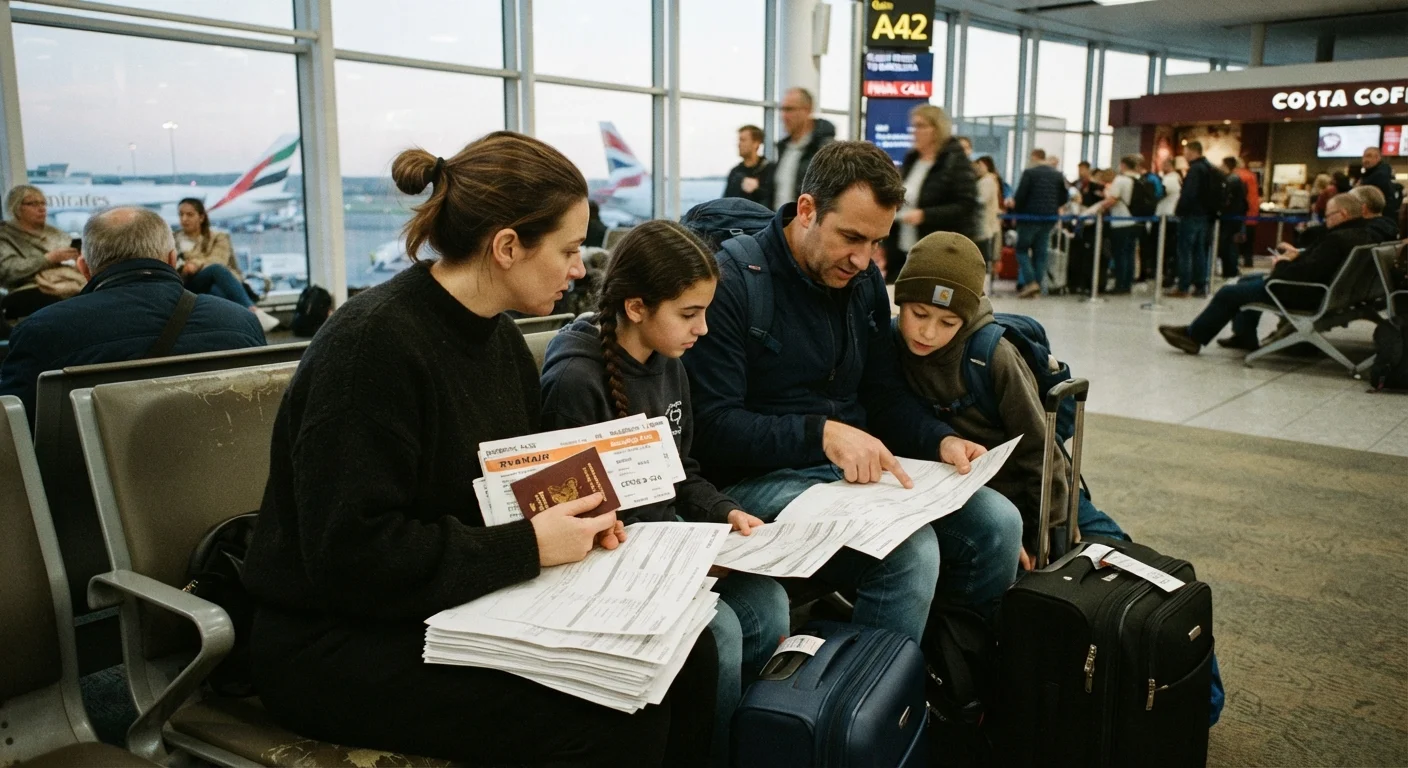
Treating the base airfare as the travel cost without accounting for bags, seat selection, and child-specific fees.
Why it happens: Airfare comparison tools sort by base fare, so families naturally focus on that number. With multiple children requiring seats, checked bags for gear, and sometimes a stroller fee, the gap between advertised and actual cost is larger for families than for solo travelers.
Underestimating food costs at theme parks, resorts, and tourist-heavy areas.
Why it happens: Families budget for three meals per day at average restaurant prices, but theme park and resort food runs 40 to 80 percent higher than comparable off-site meals, and children's portions are often priced only slightly below adult meals.
Skipping travel insurance and absorbing the full cost of cancellations or medical needs abroad.
Why it happens: Travel insurance feels like an optional expense on an already stretched budget, and families often skip it when the trip cost is high and they want to reduce upfront spending.
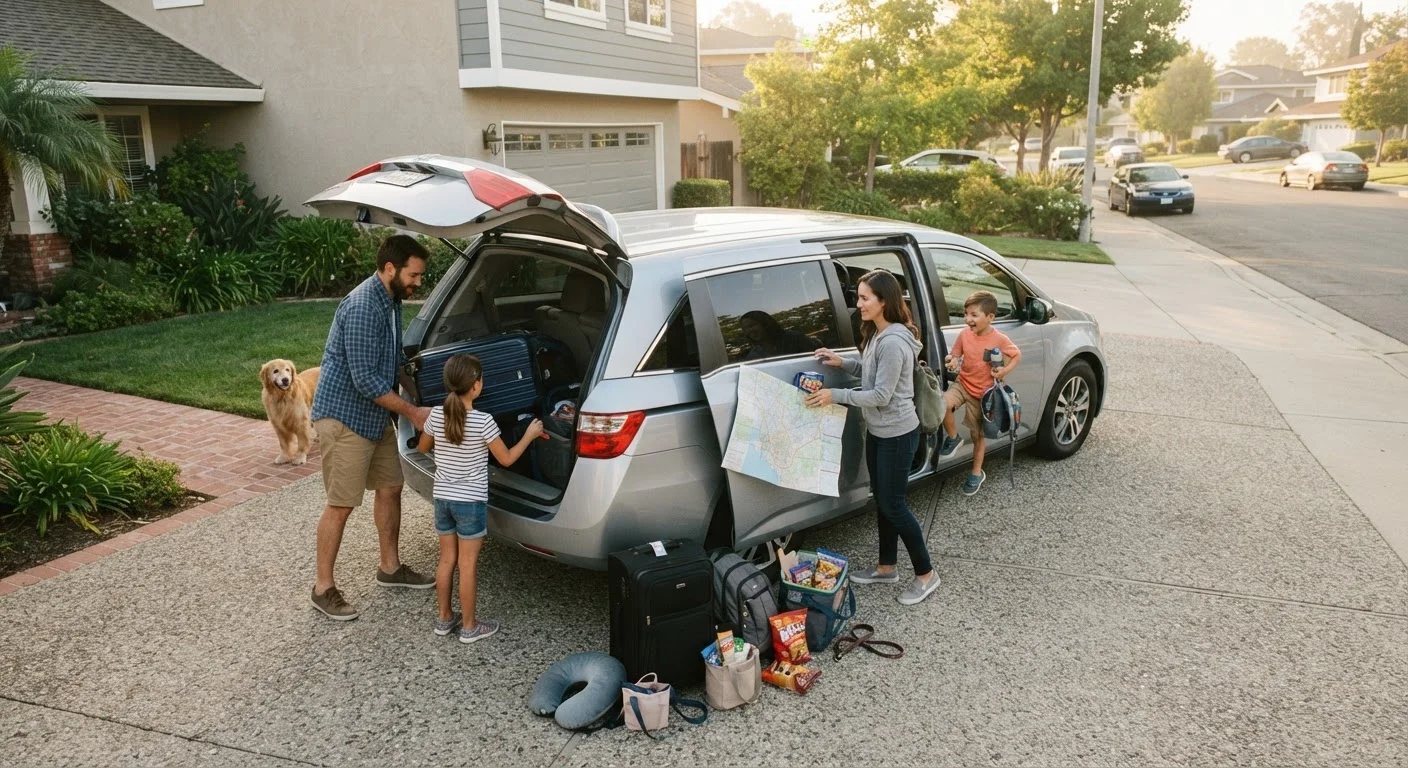
Forgetting ground transportation costs at the destination, including parking at airports, rental car fees, and rideshares.
Why it happens: Families focus on flights and hotels during planning and mentally file transportation as a minor detail. For a family that rents a car, costs include the daily rate, insurance, fuel, tolls, and airport pickup fees, which together can rival a night's lodging.
How costs compound across a multi-day trip
Individual fees feel manageable in isolation. A $35 resort fee per night seems minor until it runs across six nights. A $15 convenience fee per ticket becomes $75 for a family of five. A $6 bottle of water bought twice a day at a theme park is $48 over four days before any food is counted.
The compounding effect is where families most often lose ground. A budget built around headline prices with a small buffer for incidentals frequently underestimates by 20 to 40 percent. Road trip budgets have a different version of the same problem: fuel estimates that ignore traffic detours, food stops that expand because children are hungry at inconvenient times, and tolls that add up across a multi-state route.
The practical fix is to build a line-item budget before searching for trips, not after falling in love with a destination. Assign a specific dollar amount to lodging fees, transportation extras, food outside of planned meals, and one unplanned activity. When a trip does not fit that budget at its full cost (not its advertised cost), it genuinely does not fit.
Activity add-ons are priced for impulse decisions
Theme parks, resorts, and cruise lines generate a substantial share of revenue from upgrades, ride photo packages, character dining, and premium access tiers that families encounter after paying entry. These are designed to be purchased in the moment, when saying no is socially difficult in front of children. Setting a firm, pre-communicated per-day activity budget before arrival gives children and adults a shared frame for decisions, which reduces both conflict and overspending.
For a broader look at where suburban family budgets consistently break down beyond vacation spending, see why families overspend monthly. The same pattern of underestimating recurring small costs applies directly to travel planning.
Timing and booking decisions that affect the total
When a family books affects price, but not always in the direction conventional advice suggests. Booking far in advance locks in availability but does not guarantee the lowest price on flights or hotels. Early booking myths are worth examining before committing months ahead, particularly for destinations where hotel inventory stays loose until closer to travel dates.
School calendar constraints narrow the windows when families can travel, which is the core reason family travel costs more than comparable adult-only trips. Identifying genuine price-drop windows requires checking shoulder weeks, not just shoulder months: prices in the week immediately before and after a school holiday can vary by 30 percent compared to the holiday week itself.
Families considering all-inclusive resorts as a way to control costs should look at the full comparison before booking. The all-inclusive vs. DIY cost breakdown shows that all-inclusives genuinely reduce per-day food and activity costs but can cost more overall if the room rate is high and the family would not have spent to the included limit anyway.